
Views: 0 Author: Site Editor Publish Time: 2026-11-13 Origin: Site


Do you assume your fuel reservoir is completely dry? Even meticulously maintained fleets harbor hidden moisture. As a fluid dynamics engineer, I witness the aftermath of this assumption daily. Water silently erodes engine components, compromises structural integrity, and jeopardizes valuable payloads. A dedicated sump acts as the primary defense mechanism against this relentless infiltration. Whether you operate a single commercial truck or manage a massive fleet of transport vehicles, mastering moisture management is the absolute baseline for safeguarding your investments.
Grasping the critical role of a fluid separation mechanism requires recognizing the fundamental vulnerabilities of combustion systems. The table below outlines the primary concepts every fleet manager and operator must understand regarding liquid contamination and mitigation strategies.
| Concept | Empirical Reality | Practical Solution |
|---|---|---|
| Inevitable Moisture | Temperature fluctuations cause natural condensation inside the tank shell. | Strict daily draining routines mitigate cumulative moisture buildup. |
| Engine Vulnerability | Unfiltered water destroys high-pressure fuel injectors and strips lubricity. | Implementing advanced water-repelling filtration systems. |
| Separation Physics | Water molecules are heavier and denser than hydrocarbon fuels. | Gravity-based sumps collect heavy liquids at the lowest geographical point. |
| Large-Scale Risk | High-capacity vehicles face exponential financial liabilities from tainted payloads. | Upgrading to modern transportation equipment with engineered drainage gradients. |
Moisture management transcends basic maintenance suggestions. It represents an absolute mechanical necessity. By leveraging highly effective separation technology, operators maintain peak operational efficiency and eliminate catastrophic downtime.
Despite rigorous handling protocols, liquid infiltration remains a persistent operational reality. Recognizing the specific environmental and mechanical pathways through which moisture enters a closed system is the foundational step in preventative engineering.
Picture a half-empty fuel tank sitting in a dispatch yard overnight. The remaining empty space, known as ullage in the transport industry, is filled with atmospheric air. As the sun sets and ambient temperatures plummet, that trapped air cools rapidly.
Once the internal temperature drops below the dew point, suspended moisture condenses into microscopic liquid droplets clinging to the cold metal walls of the tank. Slowly, these droplets slide down the interior surfaces. They eventually pool at the bottom of the fuel reserve. This thermal cycling happens every single day. Consequently, internal moisture accumulation is a mathematical certainty rather than a rare stroke of bad luck.
Even with a perfectly sealed internal environment, contamination often originates externally during the refueling process. Underground storage facilities at commercial stations are highly susceptible to groundwater ingress. This is especially true if their foundational seals have degraded over decades of constant use.
Furthermore, poor upkeep of a supplier filtration hardware can result in tainted fuel being pumped straight into your reservoir. Rainwater seeping through poorly fitted filler caps or damaged breather vents compounds the problem significantly. Engineers treat every fresh batch of diesel as potentially compromised until it passes through onboard filtration defenses.
To effectively combat this issue, operators must distinguish between the physical states of moisture. Free water refers to liquid that remains entirely separated from the fuel. Because it possesses a higher specific gravity, free water naturally sinks and pools at the absolute floor of the tank.
In contrast, emulsified water consists of microscopic droplets suspended evenly throughout the diesel. This gives the fluid a cloudy, milky appearance. A dedicated sump is engineered specifically to capture free-flowing liquid before the violent mechanical agitation of driving forces it to emulsify and infiltrate critical engine pathways.
Running a diesel system without a dedicated separation mechanism invites severe mechanical degradation. The fallout extends far beyond minor performance hiccups. It frequently culminates in devastating hardware failures that ground entire fleets.
Modern diesel engines utilize high-pressure common-rail injection systems operating under extreme conditions. These pressures often exceed 30,000 PSI. These precision-machined systems rely entirely on the natural lubricity of diesel to keep microscopic moving parts functioning smoothly.
Water possesses zero lubricating properties. When it breaches a high-pressure injector, it triggers immediate metal-on-metal friction. This leads to severe scuffing and scoring. Worse still, the extreme heat inside the combustion chamber causes the liquid to flash-boil into steam instantly. This violent, rapid expansion can literally blow the tip off a fuel injector. Such failures force fleets into highly expensive, unanticipated engine rebuilds.
Recent industry analyses reveal a compounding challenge for modern fleets regarding fuel composition. Global environmental regulations have driven a massive transition toward Ultra-Low Sulfur Diesel and biodiesel blends. While these modern fuels significantly reduce harmful emissions, they are inherently more hygroscopic. They attract and hold moisture far more aggressively than legacy fuels.
Current market data indicates that biological contamination is becoming a leading cause of premature filter plugging. This trapped moisture creates the perfect biological breeding ground for microbial contamination, widely known as the diesel bug. Microorganisms thrive at the exact interface where pooled water meets the fuel. They live in the water but feast on the hydrocarbons. As they multiply, they excrete a dark, acidic biological sludge. This sludge rapidly chokes primary filters and produces corrosive byproducts that eat away at the internal surfaces of the tank. Because of this hygroscopic shift, relying on robust water trap sumps has evolved from a basic recommendation to a strict operational mandate.
For reservoirs constructed from carbon steel, free moisture resting at the bottom acts as a relentless catalyst for oxidation. The resulting rust weakens the structural integrity of the shell. This inevitably leads to microscopic pitting and eventual leaks.
As layers of rust flake off, these abrasive iron oxide particles get sucked directly into the fuel lines. They quickly overwhelm standard particulate filters. They act like a coarse grinding paste within the fuel pump, accelerating the wear and tear of the entire delivery infrastructure.
A sump operates on the fundamental principles of physics and fluid dynamics. It provides a passive yet incredibly reliable method of fluid purification without requiring external power.
At the core of this mechanism is specific gravity. Because diesel is roughly 15 percent lighter than water, the two liquids will naturally separate when allowed to settle undisturbed.
A sump is designed as a physical depression or a specialized downward-facing cavity located at the lowest geographical point of the tank. As fluids settle, gravity forces the heavier molecules to sink through the diesel layer. They collect securely within this isolated lower chamber. This keeps the contamination safely away from the main fuel pickup tube.
Modern separators enhance this gravity-based process by incorporating advanced water-repelling filtration media. These specialized filters are typically constructed from synthetic blends treated with silicone.
When the mixture passes through the media, pure diesel flows unimpeded. However, the hydrophobic treatment causes any suspended droplets to bead up tightly on the surface of the filter. Once these beads merge and become sufficiently heavy, gravity pulls them down off the element and directly into the collection bowl below.
To purge the accumulated liquid, sumps are equipped with a manual or electronic drain valve, commonly referred to as a petcock. Located at the very bottom of the assembly, this valve allows operators to flush the system safely.
By briefly opening the valve, the heavier, contaminated fluid flows out first. The operator simply watches the stream and closes the valve the exact moment clear, unclouded diesel begins to emerge. This simple mechanical action forms the cornerstone of daily fleet maintenance.
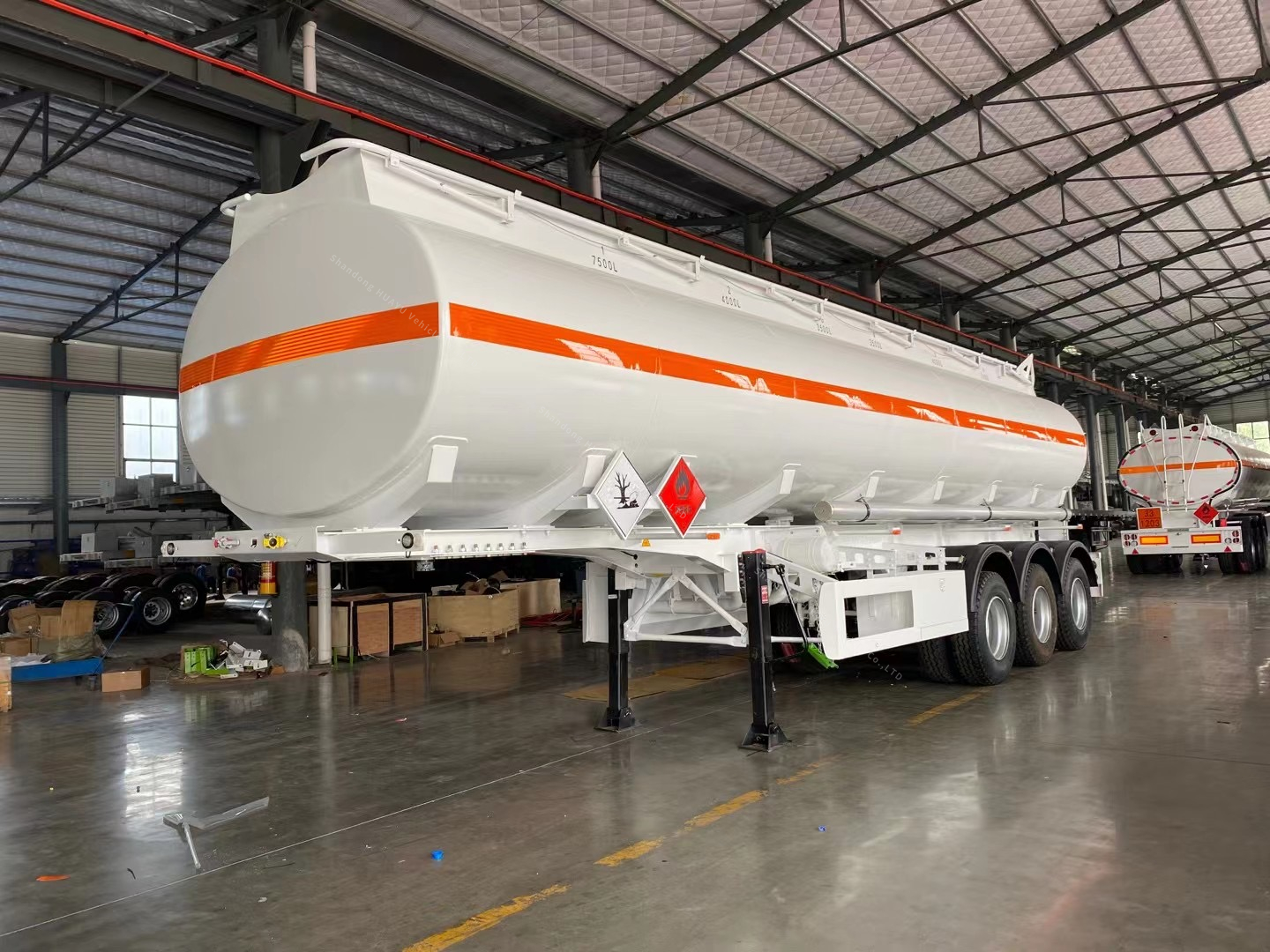
When transitioning from standard commercial box trucks to bulk liquid transport, the stakes regarding fuel purity rise exponentially. A specialized transport vehicle requires robust fluid management systems to ensure both payload integrity and asset longevity.
Bulk transport involves hauling tens of thousands of liters of highly valuable liquid assets. If the internal environment of a transport tank allows moisture to accumulate and emulsify into the payload, the receiving client will likely reject the entire delivery upon testing.
A minor contamination issue in a small pickup truck is a maintenance headache. In bulk transport, it translates to a catastrophic financial liability. Advanced sumps guarantee that any settled moisture can be systematically removed before the payload is discharged into a client underground storage facility.
Beyond protecting the payload, these systems are vital for preserving the physical trailer itself. Massive transport tanks endure immense dynamic stresses, chassis flex, and vibration during transit. If liquid is allowed to pool continuously along the broad bottom curvature of the tank, it accelerates localized pitting and galvanic corrosion. By directing this moisture into a concentrated, easily drainable cavity, the broader surface area of the tank shell is protected from prolonged exposure. This significantly extends the operational lifespan of the asset.
Procuring heavy-duty transport equipment requires careful evaluation of its built-in maintenance features. Not all tanks manage fluid dynamics equally. Subtle engineering choices make a massive difference in daily operations.
The effectiveness of a trap depends entirely on its geographical placement. Top-tier manufacturers engineer their tanks with a slight, highly calculated gradient that directs all internal fluid toward a specific low point. The sump must be strategically located at this absolute lowest point, accounting for the natural resting angle of the trailer when parked on level ground. Without this precise engineering, moisture simply pools in blind spots rather than flowing into the trap.
An industrial tanker trailer is designed for continuous, grueling operation. Therefore, it requires drainage hardware that can withstand daily use without degrading, cross-threading, or leaking. Operators should look for heavy-duty, corrosion-resistant brass or stainless steel drain valves. These valves must be easily accessible to the driver to encourage strict compliance with daily maintenance routines. A high-capacity system allows for rapid purging, minimizing downtime during early morning pre-trip inspections.
Technology alone cannot prevent contamination. It must be paired with strict, disciplined maintenance protocols. A system is only as effective as the routine that supports it.
The most effective preventative measure an operator can take is establishing a non-negotiable daily draining routine. The optimal time to perform this task is early in the morning, prior to the vehicle first movement.
Overnight, the fluid has hours to remain completely stationary. This allows maximum gravity separation to occur. The operator places a clear catch container beneath the petcock, opens the valve, and watches the fluid transition from murky water or dark microbial sludge to pure, clear diesel. If the operator waits until the vehicle has been driven, the mechanical sloshing temporarily mixes the moisture back into the lower layers of the diesel. This renders the draining process far less efficient.
While factory-standard filters provide a solid baseline of protection, upgrading to high-efficiency aftermarket options can drastically improve separation rates. This is particularly crucial in high-humidity environments.
Fleet managers should consider filters with lower micron ratings and enhanced hydrophobic coatings. A superior filter media will catch smaller emulsified droplets that a standard 30-micron filter might allow to pass. Utilizing a multi-stage filtration system provides an essential layer of insurance for high-pressure systems.
Large-scale transport configurations demand rigorous upkeep. The sheer length and dynamic movement of a tir axle tanker subject the liquid payload to significant vibration. For example, a 40,000-liter capacity unit spread across a 3-axle chassis experiences violent fluid agitation during transit.
This extreme agitation dramatically increases the risk of emulsification if the sumps are not purged regularly. Large-capacity tanks often feature multiple sump points or baffled compartments, each requiring individual attention. Fleet technicians must routinely inspect the welds around these areas for stress fractures, ensure drainage valves operate smoothly, and verify that internal anti-corrosion coatings remain intact.
Expanding a transport fleet requires significant capital expenditure. Ensuring the new equipment possesses superior fluid management capabilities is crucial for maximizing long-term return on investment.
Before finalizing a purchase, a critical assessment of specific volume and routing requirements is necessary. Evaluate total tank capacity, the number of internal compartments, and axle configurations to ensure the vehicle matches the operational demand. Operations in regions with extreme temperature fluctuations will experience higher rates of internal condensation. This necessitates larger, more efficient trap sumps. Material selection also plays a role. While aluminum tanks naturally resist rust associated with pooling, they still require comprehensive sump systems to protect the actual payload.
When evaluating an oil tanker trailer for sale, buyers should never assume that adequate moisture management comes standard. For instance, when inspecting a 50,000-liter, 3-axle fuel tanker, it is imperative to interrogate the manufacturer regarding the specific design of the sumps. Request schematics showing the internal gradients. Verify the materials used for the API-compliant drainage valves. Ensure that internal baffles feature adequate drainage cutouts so liquid from all compartments can flow freely into the central trap.
The ultimate safeguard is purchasing from a builder with a proven track record in fluid transport engineering. Reputable manufacturers utilize advanced techniques, such as automated submerged arc welding, to ensure seams around the discharge areas are flawless and fatigue-resistant. Partnering with industry experts ensures that the equipment complies with stringent transportation safety regulations and is genuinely built to protect both the chassis and the payload.
Industry best practices dictate that the trap should be checked and drained daily. The optimal time for this procedure is in the morning, prior to starting or moving the vehicle. Overnight, the fuel remains stationary, allowing the denser molecules to separate and settle completely at the bottom due to gravity. Regular daily draining prevents accumulation from reaching a level where it could be drawn into the primary lines.
Early warning signs include a noticeable loss of engine power, erratic idling, and engine hesitation during acceleration. You may also observe white smoke billowing from the exhaust, which indicates steam formation in the combustion chamber. If your fuel filters are clogging much faster than usual or are coated in a black, slimy residue, you are likely dealing with moisture-induced microbial growth.
Yes, even microscopic amounts can cause catastrophic failure in modern engines. Today high-pressure common-rail fuel systems operate at extreme pressures. Diesel naturally acts as a lubricant for the internal moving parts of the injectors, but water lacks these properties. When it enters the injector, it causes immediate friction and scuffing. Subjected to the extreme heat of the combustion chamber, it rapidly expands into steam, which can literally blow the tips off the injectors, resulting in thousands of dollars in repair costs.
Absolutely not. While demulsifying additives can help separate water from fuel, and biocides can kill microbial growth, the separated water still needs a physical place to go. Without a mechanical sump to collect and drain this heavy liquid, the water will simply sit at the bottom of your tank, causing rust and waiting to be sucked back into the fuel lines. Additives are a supplement to, not a replacement for, proper mechanical drainage.
A hydrophobic filter is a specialized filtration medium designed specifically to repel moisture while allowing diesel to pass through unimpeded. Constructed from treated synthetic materials or silicone-coated cellulose, the filter surface tension prevents moisture from penetrating the pores. Instead, droplets bead up on the surface. As these beads grow larger and heavier, gravity forces them to drop off the element and fall safely into the collection bowl below.
A water trap sump is never an optional luxury. It is a mandatory component for diesel engine health and the safety of bulk fluid transport. Keeping moisture out of your system prevents catastrophic engine breakdowns, halts microbial growth, and protects the structural integrity of your storage tanks.
By establishing disciplined daily draining routines and upgrading to high-efficiency filtration media, operators save their fleets thousands of dollars in avoidable repair costs. Inspect your current separators every single day. When it is time to expand your operations, ensure you invest in highly reliable transport equipment designed natively for optimal fuel purity. To secure vehicles engineered with industry-leading fluid management systems, explore the extensive catalog at Huayu Vehicle. Protect your payload, choose the right engineered solution, and you will maximize your long-term investment.


