
Views: 0 Author: Site Editor Publish Time: 2025-08-23 Origin: Site


A fuel tanker trailer is a specialized vehicle designed to transport liquid fuels such as gasoline, diesel, kerosene, and jet fuel safely and efficiently. These trailers play a critical role in the petroleum, aviation, and logistics industries by ensuring timely and secure fuel delivery.
Choosing the right material for a fuel tanker trailer is essential, as it directly affects the trailer’s durability, safety, and overall operational efficiency. The material determines resistance to corrosion, impact strength, weight, and maintenance needs, making it a key factor in long-term performance and cost-effectiveness. Selecting the appropriate material helps businesses optimize fuel transport while minimizing risks and maintenance expenses.
Carbon steel is known for its strength, durability, and cost-effectiveness, making it one of the most commonly used materials for fuel tanker trailers. Its robust structure allows it to withstand the stresses of transporting flammable liquids over various distances.
High Strength: Carbon steel can handle heavy loads and resist deformation, ensuring safe transport of fuel.
Good Impact Resistance: It offers excellent protection against minor collisions or bumps during loading, unloading, or transit.
Widely Available and Repairable: Carbon steel components are easy to source and repair, reducing downtime and maintenance costs.
Susceptible to Corrosion: Without proper coatings, carbon steel can rust when exposed to moisture or certain fuel types.
Requires Protective Coatings: To prevent corrosion, additional anti-rust treatments or paint layers are necessary, adding some maintenance effort.
Heavier Than Alternatives: Carbon steel is heavier than aluminum or stainless steel, which may slightly reduce fuel efficiency during transport.
Carbon steel fuel tanker trailers are ideal for:
Short to medium-distance fuel delivery
General fuel distribution for oil companies and gas stations
Operations where durability and cost-effectiveness are prioritized over weight
By understanding these properties, advantages, and limitations, businesses can determine if a carbon steel fuel tanker trailer aligns with their operational needs and budget.
Aluminum is a lightweight and corrosion-resistant material commonly used for fuel tanker trailers. Its reduced weight compared to carbon steel helps improve fuel efficiency, making it a preferred choice for long-distance and high-frequency fuel transport operations.
Reduced Trailer Weight: Aluminum trailers are significantly lighter than carbon steel, allowing for greater payload capacity and lower fuel consumption during transport.
Improved Fuel Efficiency: The lighter weight contributes to cost savings in long-haul operations, making aluminum trailers economical over time.
Naturally Resistant to Rust: Aluminum does not corrode easily, minimizing maintenance efforts and extending the trailer’s service life.
Lower Maintenance Needs: Fewer protective coatings are required, reducing upkeep time and costs compared to carbon steel trailers.
Higher Initial Cost: Aluminum trailers usually require a higher upfront investment than carbon steel options.
Lower Impact Resistance: While durable, aluminum is softer than carbon steel and may be more susceptible to dents or damage from collisions or rough handling.
Aluminum fuel tanker trailers are ideal for:
Long-distance fuel transport where weight reduction improves efficiency
Aviation fuel delivery, which demands lightweight and corrosion-resistant materials
Operations prioritizing fuel savings and lower maintenance requirements
By understanding the strengths and limitations of aluminum fuel tanker trailers, businesses can decide whether the benefits of weight reduction and corrosion resistance outweigh the higher initial cost.
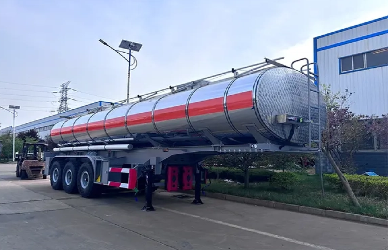
Stainless steel is a high-quality material known for its corrosion resistance, durability, and hygienic properties, making it a premium choice for fuel tanker trailers. It is particularly suitable for transporting specialized fuels or operating in environments with high humidity or coastal conditions.
Excellent Corrosion Resistance: Stainless steel resists rust and chemical reactions, ensuring long-term protection for both the trailer and the fuel cargo.
Low Maintenance: Unlike carbon steel, stainless steel requires minimal protective coatings, reducing ongoing maintenance efforts and costs.
Long Lifespan: The durability and corrosion resistance of stainless steel contribute to extended operational life, making it a reliable long-term investment.
Higher Cost: Stainless steel trailers typically have a higher upfront price compared to carbon steel or aluminum options.
Heavier Than Aluminum: While lighter than some carbon steel trailers, stainless steel is heavier than aluminum, which may slightly reduce fuel efficiency.
Specialized Repair Required: Repairs and modifications often require specialized skills and tools, which can increase maintenance complexity and costs.
Stainless steel fuel tanker trailers are ideal for:
Transporting specialized fuels that may react with other materials
Operations in high-humidity or coastal regions prone to corrosion
Businesses looking for long-term, low-maintenance investments
By weighing the benefits and limitations, companies can determine if stainless steel fuel tanker trailers align with their operational requirements and budget priorities.
When choosing a fuel tanker trailer, selecting the right material is crucial for operational efficiency, safety, and cost-effectiveness. Here’s a detailed comparison of the three most common materials: carbon steel, aluminum, and stainless steel.
Carbon Steel: Heavier, which may slightly reduce fuel efficiency but provides high strength and stability.
Aluminum: Lightweight, ideal for long-distance transport and operations requiring better fuel efficiency.
Stainless Steel: Moderate weight, heavier than aluminum but lighter than some carbon steel designs.
Carbon Steel: Most cost-effective initially, suitable for general fuel distribution.
Aluminum: Higher upfront cost, but saves on fuel consumption over time due to reduced weight.
Stainless Steel: Highest initial investment, but offers long-term durability and low maintenance.
Carbon Steel: Strong and impact-resistant, but prone to corrosion if not coated properly.
Aluminum: Corrosion-resistant but softer, may dent or deform under heavy impact.
Stainless Steel: Extremely durable and corrosion-resistant, ideal for harsh or high-humidity environments.
Carbon Steel: Requires anti-corrosion coatings and regular inspections.
Aluminum: Minimal maintenance; natural resistance to rust reduces upkeep needs.
Stainless Steel: Low maintenance; no need for extensive protective coatings, but repairs require specialized skills.
Carbon Steel: Short to medium-distance fuel transport, general distribution for oil companies and gas stations.
Aluminum: Long-distance fuel transport, aviation fuel delivery, operations focused on fuel efficiency.
Stainless Steel: Specialized fuels, coastal or high-humidity regions, businesses prioritizing long-term investment and reliability.
By comparing these key factors, businesses can make an informed decision when selecting a fuel tanker trailer, ensuring safety, efficiency, and optimal return on investment.
Selecting the right material for a fuel tanker trailer is essential to ensure safety, efficiency, and long-term reliability. Here are the key factors to consider:
Different fuels may react differently with materials. For example, specialized fuels or corrosive additives may require stainless steel, while general gasoline or diesel can be safely transported in carbon steel or aluminum trailers.
For long-distance operations, lightweight aluminum trailers can improve fuel efficiency, whereas short to medium-distance transport may favor durable carbon steel trailers.
Consider weather and regional factors. Coastal or high-humidity areas benefit from stainless steel or aluminum for corrosion resistance, while carbon steel may need extra protective coatings.
Balance upfront cost with long-term benefits. Carbon steel is cost-effective, aluminum reduces fuel costs over time, and stainless steel offers durability and low maintenance for long-term investment.
Work with trusted manufacturers like Shandong HUAYU Vehicle Co., Ltd. to get expert advice, customization options, and compliance guidance. Professional support ensures your fuel tanker trailer meets both operational needs and regulatory standards.
By carefully evaluating these factors, you can select the optimal material that balances safety, efficiency, and cost-effectiveness for your fuel transport operations.
Choosing the right material for your fuel tanker traileris crucial for ensuring operational safety, maximizing efficiency, and extending the trailer’s lifespan. Carbon steel, aluminum, and stainless steel each offer unique benefits and trade-offs, so selecting the material that aligns with your fuel type, transport distance, environmental conditions, and budget is essential.
For the best results, seek professional guidance from trusted manufacturers like Shandong HUAYU Vehicle Co., Ltd.. Their expertise in fuel tanker trailer customization, compliance, and after-sales support can help you make an informed decision and ensure your investment delivers long-term reliability and performance.


