
Views: 0 Author: Site Editor Publish Time: 2025-08-22 Origin: Site


Trailers are essential in logistics, especially for bulk liquid transport. Among them, the fuel tanker trailer and the water tanker trailer are the most common.
They may look alike, but their uses differ. A fuel tanker trailer carries hazardous liquids like gasoline or diesel and must follow strict safety rules. A water tanker trailer handles non-hazardous tasks such as drinking water, irrigation, or firefighting.
Knowing these differences helps buyers avoid risks and choose the right trailer for their needs.
A fuel tanker trailer is a specialized vehicle designed to transport liquid fuels safely over long distances. It is essential for industries like petroleum distribution, aviation fuel supply, and large-scale logistics.
Fuel tanker trailers carry fuels such as gasoline, diesel, kerosene, and jet fuel. They are used by oil companies, gas stations, and airports to ensure timely, safe delivery. Unlike standard cargo trailers, they are specifically engineered for hazardous liquids and must meet strict safety regulations.
These trailers are typically made of carbon steel, stainless steel, or aluminum alloy for durability, corrosion resistance, and safety. Material choice depends on the type of fuel and regulatory requirements. Stainless steel prevents reactions with certain fuels, while aluminum offers lighter, more fuel-efficient options.
Many fuel tanker trailers feature multiple compartments, allowing transport of different fuel types simultaneously without mixing. This improves efficiency for distributors delivering multiple grades in a single trip.
Safety is the top priority. Fuel tanker trailers include:
Anti-static devices to prevent sparks
Emergency shut-off valves to control flow and leaks
Explosion-proof fittings to reduce ignition risks
These features ensure safe operation, protecting both cargo and the environment.
A water tanker trailer is a specialized vehicle designed to transport large volumes of water for various applications. Unlike a fuel tanker trailer, which carries hazardous liquids, a water tanker trailer is built for non-hazardous liquids such as potable water, industrial water, agricultural water, or firefighting supply. These trailers are essential in industries ranging from agriculture and construction to municipal services and emergency response.
Water tanker trailers are widely used to deliver clean drinking water, supply water for irrigation in farms, support construction sites with dust suppression, or provide emergency water during firefighting operations. Their versatility makes them a crucial tool in both commercial and emergency settings, where reliable water transport is necessary.
The materials used in water tanker trailers vary depending on the type of water and its intended use:
Carbon steel with anti-corrosion lining: Commonly used for industrial or irrigation water.
Stainless steel: Ensures hygiene for drinking water or potable water applications.
Fiberglass: Lightweight, corrosion-resistant option often used for smaller or specialized water transport.
Choosing the correct material ensures that the water remains uncontaminated and the trailer remains durable under long-term use.
Water tanker trailers often include features designed for water distribution and spraying, such as:
Pumps for fast and efficient water transfer
Spray systems for irrigation, dust control, or firefighting
Pipelines and valves for controlled water flow
Unlike fuel tanker trailers, water tanker trailers focus less on hazardous safety systems and more on corrosion resistance, hygiene, and operational efficiency.
While water tanker trailers do not require the stringent hazardous safety standards of fuel tanker trailers, they still require proper maintenance. Regular inspection of pumps, hoses, and tank linings ensures longevity and prevents contamination, especially for potable water applications.
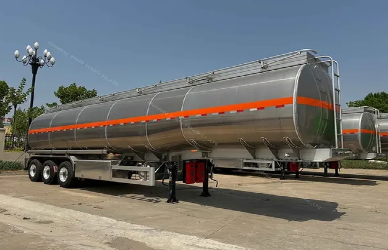
Although fuel tanker trailers and water tanker trailers may look alike, they serve very different purposes. Understanding these differences helps buyers choose the right trailer.
A fuel tanker trailer carries flammable liquids like gasoline, diesel, kerosene, and jet fuel. A water tanker trailer transports non-hazardous liquids such as drinking water, industrial water, irrigation water, or firefighting supply.
Fuel tanker trailers are designed to be explosion-proof, anti-static, and leak-proof for safety. Water tanker trailers focus on corrosion resistance, hygiene, and easy cleaning.
Fuel tanker trailers use carbon steel, stainless steel, or aluminum alloy for durability and safety. Water tanker trailers use lined carbon steel, stainless steel, or fiberglass to prevent rust and contamination.
Fuel tanker trailers comply with hazardous goods regulations such as ADR or DOT. Water tanker trailers follow food-grade or industrial safety standards.
Fuel tanker trailers are usually more expensive due to strict safety features. Water tanker trailers cost less, depending on material and capacity.
Fuel tanker trailers and water tanker trailers serve distinct industries and operational needs. Understanding their applications can help businesses select the right trailer for their specific requirements.
Fuel tanker trailers are widely used in the petroleum and transportation industries. Common scenarios include:
Oil companies transporting fuel from refineries to distribution centers.
Gas station supply chains, ensuring timely delivery of gasoline and diesel.
Long-distance fuel delivery, supporting logistics across cities or regions.
Aviation fuel transport, safely supplying airports with jet fuel.
Water tanker trailers are versatile and used in non-hazardous water transport for various sectors:
Agriculture irrigation, supplying water to farms and fields.
Mining operations, providing water for processing and dust control.
Construction sites, supporting activities like dust suppression and concrete mixing.
Municipal water supply and firefighting services, delivering emergency or potable water where needed.
By understanding these application scenarios, businesses can choose between a fuel tanker trailer and a water tanker trailer based on their industry needs and operational requirements.
Selecting the right trailer is essential for safe and efficient liquid transport. Whether it’s a fuel tanker trailer or a water tanker trailer, these steps can guide your choice.
Determine the type of liquid you’ll carry. Fuel tanker trailers are for hazardous liquids like gasoline, diesel, or jet fuel, while water tanker trailers suit potable water, irrigation, or industrial water. Choosing the wrong type can create safety risks and operational issues.
Different regions have rules for hazardous and non-hazardous liquids. Fuel tanker trailers must meet hazardous goods regulations such as ADR or DOT, while water tanker trailers follow food-grade or industrial standards. Always confirm local requirements before purchasing.
Match the trailer material to the liquid. Fuel tanker trailers use carbon steel, stainless steel, or aluminum alloy for safety and durability. Water tanker trailers use lined carbon steel, stainless steel, or fiberglass to resist corrosion and maintain hygiene.
Consider your operational needs. Large-scale or long-distance transport may need multi-compartment fuel tanker trailers with multiple axles for stability, while smaller water transport can use lighter, single-axle trailers.
Choose a reliable manufacturer offering customization (OEM/ODM) and after-sales support. A reputable fuel tanker trailer supplier ensures compliance, proper specifications, and maintenance guidance for long-term reliability.
A fuel tanker trailer and a water tanker trailer may look alike, but they are built for very different purposes. Fuel tanker trailers handle hazardous liquids like gasoline or diesel with specialized safety features, while water tanker trailers focus on hygiene and corrosion resistance for potable or industrial water.
Choosing the right trailer depends on the liquid type, regulatory compliance, and operational needs. Making the right choice ensures safety, efficiency, and reliability in transport.
If you’re looking for a high-quality fuel tanker trailer tailored to your business, visit Shandong HUAYU Vehicle Co., Ltd. to explore their options and get professional guidance.


