
Views: 0 Author: Site Editor Publish Time: 2026-11-10 Origin: Site


Choosing the right hauling equipment directly impacts your bottom line. A common challenge across the transportation industry is recognizing that selecting the ideal trailer goes far beyond raw hauling capacity. It is about maximizing profitability on every single route. Using a heavy-duty steel trailer for a 500-mile highway haul inevitably eats into fuel efficiency. Deadweight kills payload profits. Conversely, deploying a lightweight aluminum unit for short, aggressive construction hauls leads to rapid structural wear. You face frequent repairs and costly downtime.
The path to success requires a strategic approach. You must match the dump body—including its material, shape, capacity, and technical specifications—directly to your specific haul distance. Whether you are expanding your fleet or replacing aging units, understanding the mechanical correlation between route length and equipment specs is essential. A reliable dump trailer configured correctly will serve as a high-yield asset for years.
The length of your route fundamentally changes how your equipment operates throughout the day. Short hauls typically involve high-frequency loading and unloading cycles. In these environments, the trailer takes continuous physical punishment from excavators and loaders dropping heavy materials. The primary economic driver here is sheer durability. The equipment must withstand constant abuse without requiring premature structural repairs.
Long hauls involve extended periods of highway driving. The frequency of loading drops significantly. This shift moves the operational focus toward aerodynamics, fuel consumption, and strict adherence to highway weight limits. Recent industry data reveals a clear shift in fleet procurement. Transport managers are moving away from one-size-fits-all solutions. Rising fuel costs and strict emissions mandates force long-haul fleets toward extreme lightweighting configurations. Meanwhile, the short-haul sector leans heavily into advanced ultra-high-strength steel alloys to survive intense cycle times without adding excess mass. Every extra pound of trailer weight functions as a hidden tax on your revenue because it directly reduces the amount of legal payload you can carry.
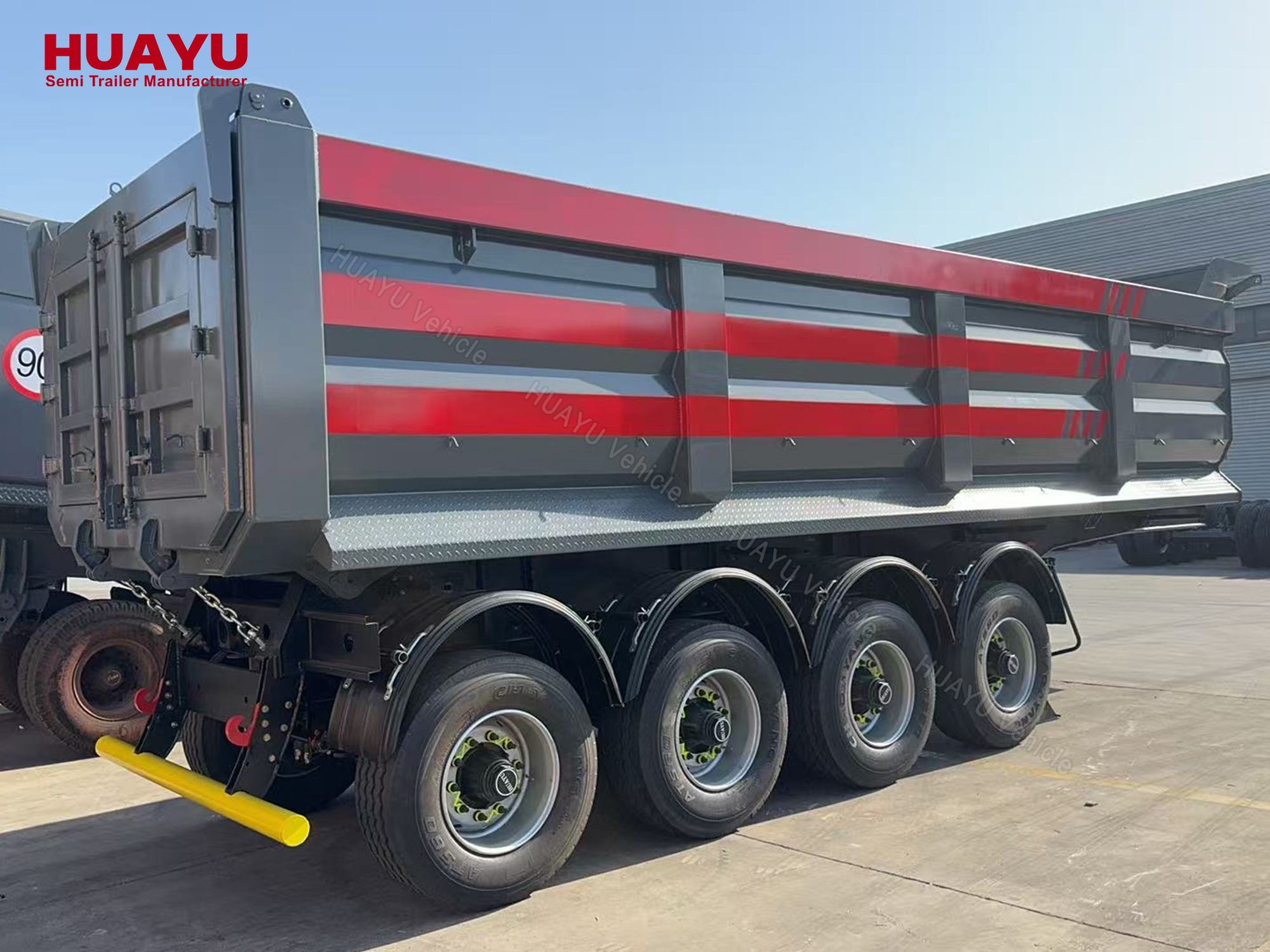
Aluminum is generally the undisputed champion for long-haul operations. The primary advantage of this material is its significant weight savings compared to traditional steel variants. By reducing the tare weight of the vehicle, operators legally haul more material per trip. This directly increases revenue potential. Aluminum is particularly ideal for long-distance hauling of non-abrasive materials like dry sand, fine gravel, and various agricultural products. These loads do not subject the trailer body to severe impact or high-velocity abrasion during the loading process, meaning the softer nature of aluminum never becomes a liability.
Short-haul routes present a completely different set of challenges. Moving demolition debris, large boulders, or heavy riprap subjects the trailer body to violent impacts and constant abrasion. High-tensile steel—like AR450 or similar wear-resistant plates—is absolutely necessary in these aggressive loading environments. Steel possesses the yield strength required to absorb the kinetic energy of heavy materials dropped from a loader bucket. While this adds deadweight to the trailer, it is a necessary trade-off on short routes. Fuel consumption becomes secondary to preventing catastrophic equipment failure and expensive site delays.
The geometric design of the trailer body plays a vital role in operational efficiency. A traditional rectangular design features a flat floor and straight vertical sides engineered to maximize cubic capacity. Contracts involving bulky, irregularly shaped materials like municipal solid waste, scrap metal, or large pallets require maximum internal space. Opting for a 3-axle 35 cubic meter square shape tipper trailer provides the exact volume and stability needed for this type of cargo.
Half-round dump bodies utilize a curved, U-shaped profile that inherently provides superior structural rigidity. This engineering allows manufacturers to eliminate many of the heavy cross-members required in boxier designs. The result is a lighter overall trailer that excels in long-distance applications. The half-round shape is incredibly beneficial when dealing with sticky or wet materials like heavy clay or hot mix asphalt. The lack of sharp 90-degree corners prevents material hang-ups, allowing for a cleaner, faster, and much safer dump cycle.
| Feature | Square Shape Design | Half-Round Design |
|---|---|---|
| Primary Advantage | Maximum cubic volume and flat floor stability | Lighter tare weight and superior structural rigidity |
| Best For | Pallets, scrap metal, demolition debris, municipal waste | Asphalt, wet clay, gravel, long-haul aggregates |
| Dumping Efficiency | Prone to material sticking in 90-degree corners | Smooth discharge with zero material hang-ups |
| Weight Profile | Heavier due to required underbody cross-members | Lighter due to self-supporting curved geometry |
Construction sites are unforgiving environments that demand purpose-built, rugged equipment. Specifying a reliable dump trailer for construction involves focusing on structural reinforcements that handle the grit of off-road conditions. Key specifications must include reinforced tailgates that resist bowing under pressure, thicker high-tensile floor plates to combat abrasion, and heavy-duty suspension systems capable of articulating over rutted terrain. These components ensure the unit remains operational despite the daily rigors of a high-paced job site.
Failing to properly integrate the truck and the trailer is a costly pitfall. Miscalculating the box gap—the distance between the back of the cab and the front of the trailer body—can be disastrous. Improper spacing drastically affects the weight distribution of the vehicle. This leads to axle weight violations and severely limits maneuverability on tight project sites. Precision in these setup measurements prevents cab strikes and ensures the center of gravity remains completely stable during the dumping process.
Calculating capacity requires a clear understanding of the difference between cubic volume and material density. Hauling dense, wet earth requires an entirely different calculation than transporting dry, lightweight mulch. A trailer might have the physical volume to hold 30 yards of material. However, if that material is wet sand, filling the container to the top easily exceeds legal highway weight limits. Always perform your math based on the specific density of the material you transport most frequently.
Haul distance directly determines which regional or federal weight regulations apply to your operation. Long hauls crossing jurisdictional lines require strict adherence to the Federal Bridge Gross Weight Formula. This law dictates how weight must be distributed over your axles. To comply with these laws while carrying heavy loads, operators frequently utilize specialized multi-axle configurations. Deploying a 4-axle 80-ton end dump trailer helps spread the weight footprint of the vehicle safely across the pavement. Ensure you understand the distinction between water level capacity and heaped capacity when reviewing manufacturer sheets. Base your primary payload calculations on the water level to maintain consistent safety standards at weigh stations.
Aluminum end dump trailers are generally the preferred choice for long highway hauls. Their lighter tare weight allows for a higher legal payload per trip and provides significantly better fuel efficiency. This maximizes profit margins over extended distances where extreme impact resistance is less of a concern.
A square shape tipper trailer is ideal when you need maximum cubic volume for bulky, stackable, or irregularly shaped materials like demolition debris or large pallets. The flat floor provides a stable base for such loads. Half-round bodies are better suited for scenarios where sticky materials might otherwise hang up in the corners during the dump cycle.
Long hauls frequently cross multiple state or provincial borders, requiring strict compliance with Federal Bridge Laws. This often necessitates specific multi-axle configurations—such as 3-axle or 4-axle setups—to legally distribute heavy loads over a wider footprint. This prevents excessive wear on highway infrastructure and avoids overweight citations.
A reliable trailer for construction typically features a high-tensile steel body capable of withstanding the severe impact of rocks and concrete. It should also include reinforced tailgates, heavy-duty off-road suspensions, and an optimized box gap to ensure the best possible maneuverability and stability on uneven, active job sites.
Start by clearly defining your primary haul distance, the density of the most common material you haul, and your local weight regulations. Bringing this operational data to a reputable professional allows their engineering team to match you with the exact material, geometric shape, and axle configuration necessary to maximize your return on investment.
Material density determines how much actual weight you carry within a given volume. High-density materials like wet gravel will max out your legal weight limit long before the trailer is physically full. Low-density materials like mulch allow you to fill the trailer to its maximum cubic capacity without exceeding highway weight restrictions.
A well-maintained high-tensile steel trailer used in aggressive short-haul construction can last 7 to 10 years before requiring major floor or side replacements. Aluminum trailers used for long-haul highway transport of non-abrasive materials often last 10 to 15 years, provided they are not subjected to heavy impact loading that causes stress fractures.
Selecting the right equipment is an engineering decision that dictates your operational success. Stop losing money on deadweight and stop paying for premature structural repairs. By carefully analyzing your haul distance, material density, and route regulations, you can spec a trailer that works as hard as you do. Ready to upgrade your fleet with precision-engineered equipment? Explore the full range of heavy-duty and lightweight transport solutions at Huayu Vehicle to find the exact match for your next contract.


