
Views: 0 Author: Site Editor Publish Time: 2026-11-15 Origin: Site


The success of any commercial logistics operation relies heavily on the safety, reliability, and efficiency of its transport equipment. Picture a rig hauling highly concentrated sulfuric acid across state lines. Alternatively, imagine a fleet delivering thousands of gallons of aviation fuel to a bustling airport. In these high-stakes scenarios, choosing the wrong tank material leads to severe cargo contamination. It causes rapid structural corrosion. It can even trigger catastrophic safety failures on the highway.
Fundamentally, a tanker trailer is a highly specialized commercial vessel engineered to transport various bulk liquids, compressed gases, and dry powders. Because the physical and chemical properties of these cargoes vary drastically, the metallurgy and engineering of the transport unit must adapt accordingly. Mismatched materials ruin bulk liquids and compromise structural integrity.
This comprehensive guide explores how different cargoes, ranging from volatile diesel fuel to abrasive dry bulk cement, dictate specific material choices. Designed for fleet managers, owner-operators, and procurement specialists, the following insights will help you make data-driven purchasing decisions. These choices maximize operational uptime and ensure strict regulatory compliance.
Key Takeaways:
A bulk transport vessel is not a simple one-size-fits-all solution. The base metal used to construct the cylinder impacts nearly every operational and financial aspect of a logistics business. Why sacrifice payload when lighter alloys exist? Fleet managers must carefully evaluate metallurgical properties against their specific daily routes to ensure profitability and safety.
In the commercial freight sector, profitability is directly tied to payload capacity. Highway regulations strictly enforce Gross Vehicle Weight Ratings. Every pound dedicated to the trailer's empty tare weight is a pound subtracted from revenue-generating cargo. By utilizing lighter structural materials, operators can transport more gallons or cubic meters of product per trip. Over a ten-year equipment lifespan, these incremental payload increases compound into substantial revenue gains. They also deliver noticeable fuel savings when the driver is deadheading back to the terminal empty.
The chemical interaction between the interior wall and the transported substance dictates the integrity of both the vessel and the product. When incompatible elements meet, chemical reactions rapidly degrade the structure through pitting or generalized oxidation. More importantly, this degradation introduces particulate matter into the load. For instance, standard steel reacting with ambient moisture can shed microscopic rust particles into refined fuels. This ultimately clogs downstream engine filters and renders the product unusable. Maintaining absolute purity requires an interior surface that remains chemically inert to its specific load.
Transporting hazardous materials involves stringent oversight from regulatory bodies like the DOT or ADR. These agencies mandate specific wall thicknesses, yield strengths, and pressure ratings to prevent catastrophic ruptures during transit or in the event of a traffic collision. The chosen metal must possess the structural tenacity to withstand internal vapor pressure fluctuations, dynamic fluid surging, known as the slosh effect, and external impact forces. Selecting an structurally insufficient vessel for a hazardous load poses immense environmental and legal risks.
The manufacturing of modern bulk carriers relies predominantly on three primary metals. Each offers a distinct combination of tensile strength, weight, corrosion resistance, and initial procurement cost.
Carbon steel remains a foundational workhorse in heavy-duty manufacturing due to its exceptional structural strength and economic accessibility. It offers excellent resistance to physical impact and abrasive wear. Furthermore, it is relatively easy to weld. This makes structural repairs straightforward in almost any standard heavy-duty mechanic shop. However, its primary drawback is high density, resulting in a heavy tare weight. Additionally, untreated carbon steel is highly susceptible to atmospheric oxidation and requires specialized internal linings or exterior paint to prevent rapid degradation.
Engineered aluminum alloys, particularly the 5000-series designed for pressure vessels, have revolutionized the industry by offering an optimal strength-to-weight ratio. Aluminum is extremely lightweight, often weighing thousands of pounds less than a comparable steel unit. It naturally forms a microscopic protective oxide layer, making it inherently resistant to standard environmental rust without needing paint. On the downside, the initial capital expenditure is noticeably higher. Repairing stress fractures also requires highly specialized TIG or MIG welding techniques.
Typically utilized in grades 304L or 316L, stainless steel is the premium choice for demanding chemical and sanitary applications. The addition of chromium and molybdenum provides an ultimate defense against aggressive chemical attacks and temperature extremes. Its non-porous surface makes it highly sanitary and easy to sterilize. While it offers unmatched versatility, stainless steel requires the highest initial investment. It is also denser than aluminum, forcing operators to accept a heavier empty weight.
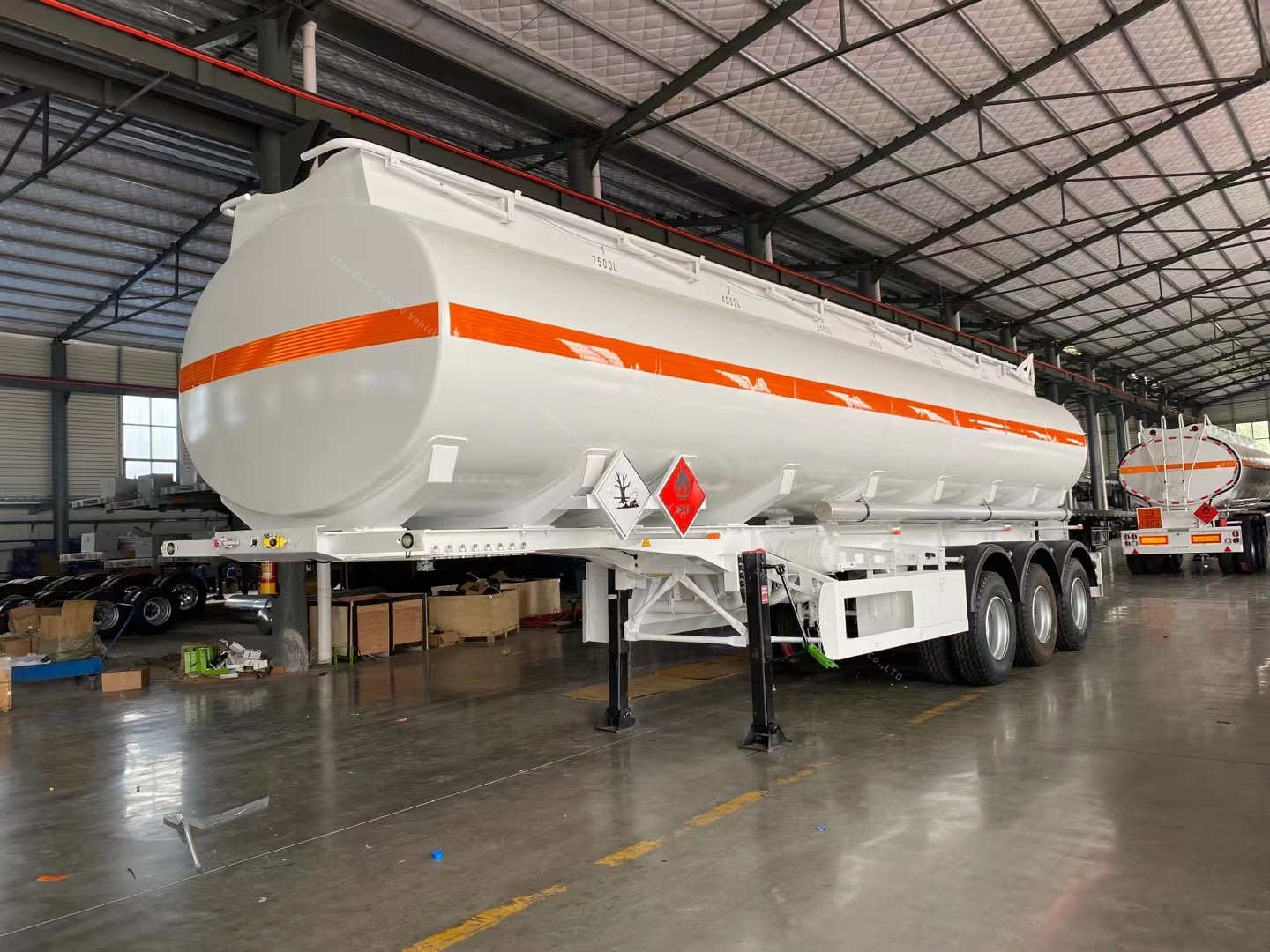
The transportation of combustible energy products, ranging from retail gasoline to aviation fuel, requires equipment optimized for high-volume efficiency and strict fire safety.
In modern logistics, aluminum has become the undisputed industry standard for hauling refined petroleum. Because fuels possess a relatively low specific gravity, the volume of liquid transported is usually constrained by maximum legal weight regulations rather than the physical dimensions of the tank. By deploying a lightweight fuel tanker semi trailer, fleets significantly reduce the rig's empty weight.
Looking at industry-leading configurations, a Tri-Axle 40000L Diesel Oil Tanker Trailer perfectly illustrates this balance. Engineered to hold 40,000 liters, utilizing high-tensile aluminum allows operators to legally haul thousands of additional liters per dispatch compared to older steel models. The tri-axle design ensures this massive liquid volume is distributed evenly across the chassis, maintaining highway stability.
Beyond payload economics, aluminum delivers a critical safety advantage. It is non-sparking. In the chaotic event of a collision or mechanical scrape against asphalt, aluminum is far less likely to generate high-energy sparks compared to carbon steel. This intrinsic property adds a vital layer of safety when hauling highly flammable vapors. Moreover, it does not shed rust particles, ensuring that retail fuels remain pristine before reaching the consumer's pump.
Despite aluminum's dominance in refined fuels, carbon steel retains specific, rugged use cases within the oil sector. It is frequently deployed for transporting unrefined, heavy crude oil or viscous residual fuel oils. These dense products often require heating systems and do not demand the strict purity standards of aviation fuel. Specifically, in developing regions or remote oilfields characterized by severe, unpaved terrain, the superior fatigue tolerance and impact resistance of heavy-duty carbon steel provide a more reliable solution. This prevents the structural cracking that can plague aluminum on harsh dirt roads.
Solid, powdered cargoes, such as Portland cement, agricultural flour, and industrial plastic pellets, present entirely different logistical challenges compared to liquids. They require specialized discharge mechanics.
Dry bulk materials are typically transported in specialized vessels that utilize compressed air to fluidize and discharge the cargo. A pneumatic bulk tanker trailer is engineered with internal conical hoppers and a complex aeration system. Consider a standard Tri-Axles 40CBM model. With 40 cubic meters of internal volume and a specialized V-shaped hopper design, high-pressure air mixes with the powder, allowing it to flow like a fluid through discharge pipes into storage silos. Because these vessels operate under intense internal pressure and friction during the unloading phase, material hardness is paramount.
The choice between steel and aluminum for dry bulk hinges entirely on the abrasiveness and purity requirements of the specific powder.
For heavy construction materials like cement, frac sand, and fly ash, carbon steel is the standard. As these coarse materials flow out of the hoppers under pressure, they act like coarse sandpaper against the interior walls. Carbon steel possesses the necessary hardness to withstand this constant abrasion over many years. Softer aluminum would wear dangerously thin under these conditions.
Conversely, aluminum is strictly preferred for food-grade powders, such as granulated sugar, and industrial plastic pellets. Aluminum prevents rust contamination, which is critical for food safety. When hauling plastic pellets, friction against steel can create static electricity. This causes the pellets to melt slightly and form long, problematic strings known as angel hair. Aluminum's smoother internal finish and thermal properties naturally mitigate this issue.
The chemical transport sector operates under the highest stakes imaginable. Moving reactive substances like concentrated sulfuric acid or caustic soda requires uncompromising material integrity to prevent environmental disasters.
For a vast majority of harsh chemicals, stainless steel, specifically the 316L grade containing molybdenum for added chloride resistance, is the standard engineering requirement. This metal relies on a microscopic, self-healing layer of chromium oxide that protects the underlying structure from chemical attack. This process is known as passivation. It allows the vessel to safely contain highly reactive acids without dissolving. Furthermore, the non-reactive surface allows the interior to be thoroughly washed and neutralized. This enables the fleet to haul entirely different chemicals on subsequent trips without fear of dangerous cross-reactions.
While stainless steel is highly versatile, certain specialized chemicals, such as high-concentration hydrochloric acid, can aggressively attack even premium alloys. In these niche scenarios, or as a budget-conscious measure for dedicated single-product routes, operators utilize carbon steel tanks equipped with thick internal linings. These barriers can be made of industrial chlorobutyl rubber, high-density plastics, or Teflon. The steel provides the structural pressure vessel, while the lining acts as the chemical shield. However, this approach requires rigorous, frequent inspections. Even a microscopic pinhole will allow acid to reach the steel, leading to rapid, catastrophic failure.
Transporting human consumables, such as raw dairy, fruit juices, liquid sugars, and potable water, requires strict adherence to public health and sanitation regulations. This heavily influences equipment design.
Food-grade transport equipment must be engineered to eliminate any possibility of bacterial growth, fungal contamination, or chemical tainting. Regulatory bodies mandate that surfaces in direct contact with food must be non-toxic, non-absorbent, and capable of withstanding repeated, aggressive sanitization processes. The structural design must also eliminate dead legs or sharp internal corners where organic matter could accumulate and harbor dangerous microbes.
Stainless steel, typically 304 grade, is universally mandated for food-grade liquid transport. However, the raw material alone is not enough. The finish is critical. The interior of a sanitary tank must be mechanically polished to a mirror-like finish, measured in strict Ra values, to eliminate microscopic pores where bacteria can hide. This ultra-smooth surface facilitates automated Clean-In-Place systems, where high-pressure spray balls douse the interior with scalding water and caustic cleaning agents. Because polished stainless steel does not retain odors or flavors, a trailer hauling pungent garlic oil one day can safely transport fresh milk the next, following a certified wash.
As the commercial transportation sector evolves toward sustainability, the criteria for selecting tank materials are rapidly shifting. Recent industry analyses highlight a massive push toward ultra-lightweight aluminum alloys. As fleets begin adopting zero-emission electric and hydrogen fuel cell truck tractors, which are significantly heavier than traditional diesel engines due to massive battery packs, logistics companies are forced to cut weight from the trailer. This is the only way to remain compliant with federal gross vehicle weight limits. Consequently, advanced, thinner-gauge aluminum designs are seeing unprecedented demand.
Simultaneously, for chemical and abrasive transports where carbon or stainless steel remains unavoidable, the industry is witnessing the integration of smart materials. Manufacturers are increasingly applying advanced nanotechnology-based anti-corrosion coatings that significantly extend the lifespan of cheaper carbon steel. Additionally, high-end chemical trailers are now being embedded with ultrasonic IoT sensors. These devices monitor the microscopic thinning of the tank wall in real-time, allowing fleet managers to predict maintenance needs before a hazardous leak occurs.
Procuring commercial bulk carriers represents a massive capital expenditure. Decision-makers must look beyond the initial sticker shock and evaluate long-term operational metrics to select the correct metallurgical profile.
Evaluating Total Cost of Ownership requires balancing the initial purchase price against projected operational savings over a 10-to-15-year lifecycle. For example, an aluminum unit requires a significantly higher upfront investment compared to basic steel. However, the weight savings may allow a fleet to carry five percent more revenue-generating payload per trip. Over a decade, the increased revenue from that extra cargo, combined with fuel savings and a high end-of-life scrap value, frequently eclipses the initial price difference. This results in a much stronger return on investment.
The physical environment where the fleet operates heavily influences durability requirements. If a fleet primarily navigates well-maintained, paved interstate highways, the lightweight benefits of aluminum are easily realized. In contrast, if the operation involves navigating rough logging roads, active mining sites, or developing infrastructure with severe potholes, the dynamic twisting stresses placed on the chassis and shell are immense. In these high-stress environments, the superior fatigue strength of carbon steel often makes it the more reliable choice.
Fleet managers must assess their regional maintenance infrastructure. A carbon steel unit can be welded, patched, and repaired by almost any standard heavy-duty mechanic using basic equipment. Repairing stress fractures in aluminum or maintaining sanitary welds on a stainless steel vessel requires highly skilled, certified technicians, specialized shielding gases, and dedicated clean environments. If a rig operates in remote areas without access to specialized metallurgical repair facilities, steel offers significantly higher operational uptime.
To streamline the procurement process, adhere to established industry standards. The following matrix outlines the optimal material pairings based on cargo characteristics, ensuring safety and compliance.
| Cargo Category | Typical Examples | Recommended Tank Material | Primary Rationale |
|---|---|---|---|
| Refined Fuels | Diesel, Gasoline, Aviation Fuel | Aluminum Alloy | Maximizes payload via weight reduction; non-sparking safety; prevents rust contamination. |
| Abrasive Dry Bulk | Cement, Sand, Fly Ash | Carbon Steel | Provides superior wear resistance against abrasive powders discharging under pressure. |
| Sanitary / Food | Milk, Edible Oils, Sugar Powder | Polished Stainless Steel or Aluminum for dry loads | Prevents bacterial growth; allows for rigorous chemical sterilization; zero flavor retention. |
| Corrosive Chemicals | Sulfuric Acid, Caustic Soda | Stainless Steel 316L / Lined Steel | Essential for chemical passivity; prevents catastrophic structural degradation and leaks. |
| Heavy Petroleum | Crude Oil, Asphalt, Bitumen | Carbon Steel | High heat tolerance for heated cargoes; cost-effective durability for viscous, unrefined liquids. |
Selecting the right tank material is a delicate balancing act between cargo characteristics, payload optimization, safety regulations, and long-term budget strategies. Proper material choices prevent costly product contamination, protect your operational budget, and shield your company from severe legal liabilities.
Investing wisely in the correct metallurgy upfront stops maintenance nightmares down the road and ensures your fleet remains on the highway generating revenue. Because every logistics operation is unique, it is highly recommended to consult with manufacturing experts to spec out the perfect equipment for your specific daily routes. For industry-leading transport solutions tailored to your exact payload needs, explore the robust lineup at Huayu Vehicle. Reach out to their engineering team today for a custom quote and elevate your fleet's efficiency.
It is strictly not recommended unless the tank has been treated with a highly specialized, food-safe internal epoxy coating. Unlined carbon steel will rapidly oxidize when exposed to water, which will severely contaminate the drinking water supply with rust and violate health regulations. Polished stainless steel remains the undisputed industry standard for transporting potable water safely.
Aluminum is significantly lighter than carbon steel, allowing fleet operators to legally carry thousands of extra gallons of fuel per trip without exceeding highway weight limits. Furthermore, aluminum is naturally resistant to rust and is a non-sparking metal, which drastically reduces the risk of accidental ignition in the highly volatile environment of fuel transport.
With proper routine maintenance, a well-engineered carbon steel or aluminum pneumatic trailer can remain operational for 15 to 20 years. However, this lifespan is heavily dependent on the abrasiveness of the cargo being hauled. Consistently transporting highly abrasive materials like coarse frac sand or cement will wear down the interior walls much faster than hauling soft agricultural powders like flour.
Yes, stainless steel is significantly heavier and denser than aluminum, and its weight is roughly comparable to standard carbon steel. Because of this higher tare weight, a stainless steel commercial tank will always have a lower maximum payload capacity for the cargo compared to an aluminum unit of the exact same volumetric dimensions.
This depends entirely on the unit's engineering and the specific materials involved. A multi-compartment fuel carrier can transport different grades of petroleum, such as diesel and premium gasoline, simultaneously in isolated sections. However, you cannot switch between fundamentally incompatible cargo categories, such as alternating between toxic industrial chemicals and food-grade liquids, even if the tank is made of premium stainless steel, due to strict legal cross-contamination regulations.
Lighter materials like aluminum lower the overall tare weight of the upper tank structure. When engineered correctly, this allows for a lower center of gravity compared to heavy carbon steel tanks of the same dimensions. A lower center of gravity drastically reduces the dynamic rollover risk during sharp turns or evasive maneuvers, making the trailer inherently safer on the highway.
Liquid fertilizers, particularly those containing high levels of nitrogen or phosphoric acid, are highly corrosive to standard metals. Stainless steel, specifically 316L, is the premier choice due to its chemical resistance. Alternatively, fiberglass reinforced plastic or carbon steel lined with heavy-duty rubber are frequently used as cost-effective substitutes to prevent the fertilizer from eating through the tank walls.


