
Views: 0 Author: Site Editor Publish Time: 2026-07-05 Origin: Site


The structural failure of an aluminum alloy fuel tanker trailer carries severe financial, environmental, and regulatory consequences. Relying on superficial walk-arounds is insufficient for mitigating catastrophic leak risks. While aluminum offers superior payload efficiency and corrosion resistance, it is highly susceptible to fatigue cracking, weld porosity, and vibration-induced stress over thousands of operating hours. Fleet managers must distinguish between cosmetic wear, amateurish patch repairs, and critical structural degradation. Establishing a standardized, evidence-based inspection framework—combining targeted visual audits with Non-Destructive Testing (NDT)—is mandatory for validating the operational safety and extending the lifecycle of these high-value assets. You cannot afford to guess when hauling hazardous materials. A rigorous, documented approach to tank integrity ensures your equipment stays on the road and out of the impound lot.
Defining what constitutes a structurally sound vessel before deploying a high capacity fuel tanker semi trailer for hazardous material transport requires a deep understanding of metallurgy and operational physics. Fleet maintenance teams must establish clear success criteria for hull integrity to prevent on-road failures. You need to know exactly how the metal behaves under load.
Aluminum provides an excellent strength-to-weight ratio, allowing operators to maximize liquid payload without exceeding legal axle limits. However, transport-grade aluminum alloys possess a lower fatigue endurance limit compared to structural steel. This means they are more sensitive to continuous cyclic loading over time. Thermal expansion from ambient temperature changes, hydraulic surge of liquid cargo during transit, and constant road vibration compound stress on rigid weld joints. Under these conditions, the metal flexes continuously, eventually leading to microscopic fatigue behaviors that require targeted inspection strategies to detect before they propagate into full structural breaches.
To understand the specific vulnerabilities, we must look at the common alloys used in tank construction. Different alloys react differently to welding heat and mechanical stress.
| Aluminum Alloy Grade | Primary Characteristics | Common Tank Trailer Applications | Fatigue & Weld Vulnerabilities |
|---|---|---|---|
| 5454 Aluminum | High corrosion resistance, excellent formability, stable at high temperatures. | Hot liquid transport, standard fuel vessels, asphalt tankers. | Susceptible to stress-corrosion cracking if exposed to extreme sustained heat beyond design limits. |
| 5083 Aluminum | Exceptional strength after welding, highly resistant to industrial chemicals. | Cryogenic tanks, high-pressure fuel vessels, heavy-duty structural components. | Prone to micro-porosity during welding if shielding gas is compromised or base metal is contaminated. |
| 6061 Aluminum | Good structural strength, easily machined, heat-treatable. | Extruded sub-frames, mounting brackets, piping systems. | Significant loss of tensile strength in the Heat-Affected Zone (HAZ) after welding; requires careful joint design. |
Inspections must focus heavily on high-risk structural areas where stress concentrates. Longitudinal and circumferential weld seams bear the brunt of internal pressure and external torsion. Bulkhead attachments and internal baffle joints absorb the massive kinetic energy of liquid surge during braking and acceleration. Dynamic loading disproportionately affects the lower third of the tank shell and the high-stress suspension sub-frame integration points. These junctions endure the most severe twisting forces, making them prime candidates for early-stage fatigue cracking and structural deformation. When a driver hits the brakes, thousands of gallons of fuel slam against the internal baffles. That kinetic energy transfers directly into the weld roots.
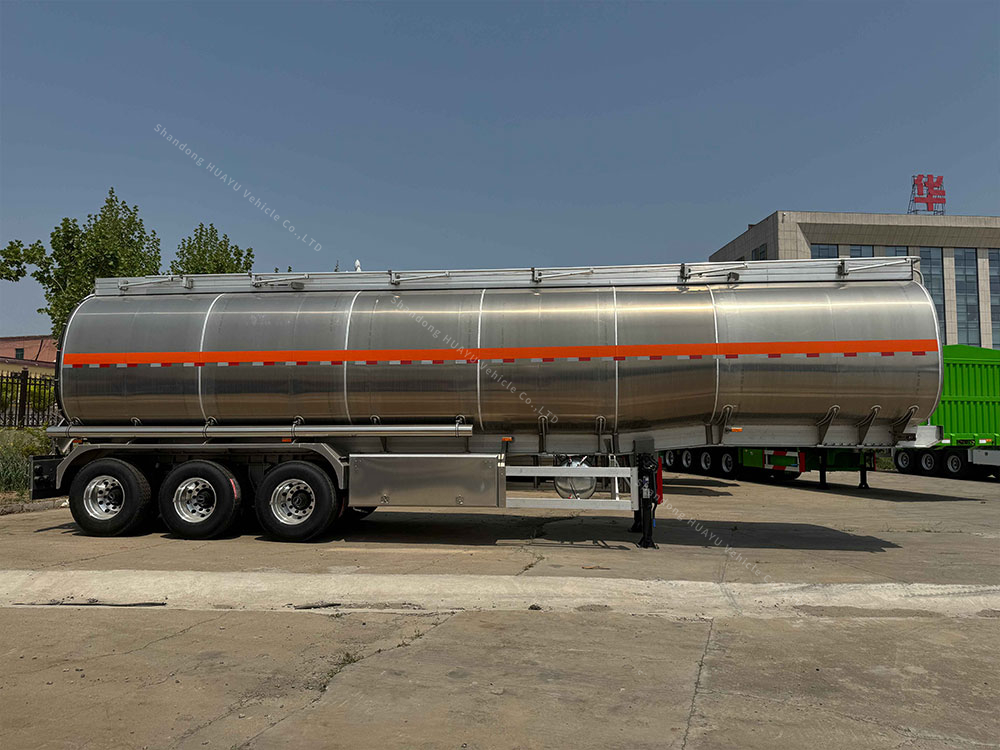
Establishing a baseline, repeatable visual audit process empowers fleet maintenance teams to catch surface-level defects before they require major overhauls. A systematic approach ensures no critical junction is overlooked during routine maintenance cycles. You cannot just walk around the trailer with a flashlight; you need a structured methodology.
Visual indicators of weld failure often start small. Inspectors must look for hairline cracking along the Heat-Affected Zone (HAZ), surface pitting, and oxidation anomalies that suggest compromised metal. You must specifically flag improper weld build-ups where uncertified technicians simply layered filler rod over an active crack without routing the joint. This dangerous practice hides active structural failure beneath a thick, ugly bead of metal. Inspectors must also define the difference between acceptable cosmetic oxidation, which naturally occurs on bare aluminum, and structural corrosion near weld roots that indicates active material degradation.
To execute a proper visual audit, follow these specific steps:
Mounting hardware secures the tank to the chassis and requires strict inspection criteria. Check for loose fasteners, stretched mounting straps, and degraded rubber isolation pads. Metal-to-metal chafing accelerates localized thinning and creates severe stress risers on the tank shell. You must also audit zones of bimetallic (galvanic) corrosion. When steel mounting frames or copper and brass fittings interface directly with the aluminum hull without proper insulating barriers, galvanic action rapidly eats away the aluminum, compromising the vessel's integrity. The constant vibration of the road acts like sandpaper if those isolation pads fail.
Threaded bungs, drain plugs, and cleanout collars serve as primary access points and are frequent sources of leaks. Inspection protocols must verify the integrity of the welds securing these fittings to the main shell. Look closely for weeping fuel or dark stains indicating vapor escapes. Stress cracks frequently radiate outward from threaded fittings due to the mechanical force of hoses and valves. Additionally, inspect for thread stripping caused by over-torqueing during routine maintenance, which prevents a proper seal and necessitates immediate replacement. Mechanics often overtighten these fittings, tearing the soft aluminum threads.
Moving beyond visual checks is necessary to quantify structural health and ensure regulatory compliance for a lightweight gasoline tank trailer. Advanced NDT methods expose hidden flaws that threaten the safety of hazardous material transport. You have to look inside the metal to know its true condition.
Pressure testing validates the overall seal and strength of the vessel. Hydrostatic testing uses water to pressurize the tank. It is generally safer because water is incompressible; if a rupture occurs, the energy dissipates immediately. However, the immense weight of a water-filled tank requires robust structural support during the test. Pneumatic testing uses compressed air and is lighter and faster, but carries significant safety risks. Compressed air stores massive potential energy, meaning a structural failure during a pneumatic test can result in a dangerous explosion. Inspectors must strictly follow safety parameters, required pressure thresholds, and specific hold times to expose pinhole leaks and seam weaknesses safely.
| Testing Method | Medium Used | Primary Advantage | Primary Risk / Limitation |
|---|---|---|---|
| Hydrostatic Testing | Water | Highly safe; incompressible fluid means zero explosion risk upon rupture. | Extreme weight requires heavy-duty structural support; difficult to dry tank afterward. |
| Pneumatic Testing | Compressed Air / Nitrogen | Fast setup; no residual moisture left inside the fuel vessel. | High explosion hazard if the tank fails; requires strict safety perimeters. |
| Acoustic Emission | Sensors / Sound Waves | Detects active crack propagation during pressure loading. | Requires highly specialized equipment and expert data interpretation. |
Liquid Penetrant Inspection (LPI) is highly effective for detecting surface-breaking defects in non-porous aluminum welds. The technician applies a colored dye that seeps into microscopic cracks, followed by a developer that draws the dye out, making flaws highly visible. For deeper analysis, Ultrasonic Testing (UT) measures shell thickness and identifies subsurface weld defects. High-frequency sound waves travel through the metal, bouncing back to reveal lack of fusion, internal porosity, and micro-voids that visual inspections and dye penetrants cannot reach. UT is the only reliable way to verify that a weld has fully penetrated the base metal without cutting the tank open.
Addressing the specific dangers of improper aluminum repair requires strict adherence to safety protocols and establishing vendor qualification standards. A compromised repair on a Aluminum Alloy Fuel Tanker Trailer can lead to catastrophic failure on the highway. You cannot cut corners when welding on a vessel designed to carry thousands of gallons of flammable liquid.
Mandatory safety procedures must precede any fuel trailer repair. Comprehensive degassing and steam cleaning remove residual product. Technicians must test the tank atmosphere with calibrated LEL (Lower Explosive Limit) detectors to confirm zero explosive vapors remain. Once safe, mechanics must clean dirty, oxidized aluminum welds using dedicated stainless steel wire brushes and solvent degreasers. Proper cleaning prevents weld porosity and inclusion defects, ensuring the new weld bonds perfectly with the base material. If you weld over oxidized aluminum, the weld will fail. It is that simple.
Using open oxy-fuel torches on aluminum presents severe metallurgical risks. Torches deliver uncontrolled heat input, causing the aluminum to lose its temper and structural strength. Furthermore, open flames introduce extreme fire and explosion hazards in fuel vessels. Proper repair requires TIG (Tungsten Inert Gas) or specialized MIG (Metal Inert Gas) welding. These methods must be performed by certified technicians using appropriate filler alloys, such as ER5356 or ER4043, to match the mechanical properties of the original tank shell. A standard steel welder cannot just pick up a spool gun and fix an aluminum tanker.
Locating and verifying the original manufacturer's builder tag and pressure test certification plate is non-negotiable. These plates confirm the vessel's design specifications, alloy type, and operational limits. A missing or tampered builder tag raises immediate liability flags and often indicates a history of undocumented, potentially unsafe modifications. Fleet managers must establish strict criteria for vetting third-party welding shops, demanding ASME Section IX, AWS D1.2 structural aluminum welding certifications, and specific hazardous cargo transport credentials before authorizing repairs. If the shop cannot produce their AWS D1.2 papers, take your trailer somewhere else.
Integrating rigorous inspection protocols into broader fleet management strategies protects asset value and ensures continuous regulatory compliance. You need a system that tracks every weld, every test, and every repair over the lifespan of the trailer.
Hazardous material transport requires strict adherence to mandated inspection intervals. DOT/PHMSA standards dictate specific schedules for visual (V), leak (K), internal (I), and pressure (P) testing. Staying ahead of these regulatory frequencies prevents costly fines, out-of-service violations, and potential legal liabilities following an incident. You must build these intervals into your preventative maintenance software to ensure no trailer slips through the cracks.
Maintaining an auditable paper trail is just as important as the physical inspection. Fleets must log NDT results, track weld repair histories, and schedule predictive maintenance based on documented wear patterns. Rigorous inspection documentation directly impacts asset resale value. Buyers pay premiums for trailers with flawless maintenance records. Furthermore, this documentation provides essential insurance and liability protection during third-party audits or post-accident investigations. If it is not written down, it did not happen.
A: Regulatory standards typically require a hydrostatic or pneumatic pressure test (P-test) every 5 years, though visual (V) and leak (K) inspections must be performed annually. High-stress operational environments may necessitate more frequent NDT evaluations.
A: Early indicators include hairline cracks parallel to the weld seam in the Heat-Affected Zone (HAZ), localized fuel weeping, and dark, soot-like oxidation spots indicating micro-leaks.
A: No. Oxy-fuel torches provide uncontrolled heat that destroys the aluminum's temper and structural integrity. All structural repairs must utilize TIG or specialized MIG welding performed by certified professionals.
A: Hydrostatic testing uses water, which is safer because it does not compress, but it adds massive weight to the trailer. Pneumatic testing uses compressed air, which is lighter but carries a higher risk of explosive failure if the tank ruptures.
A: Aluminum oxidizes rapidly and has a lower melting point than steel. It requires inert gas shielding (TIG/MIG) and specific filler rods to prevent porosity, cracking, and loss of structural strength during the repair process.
A: Locate the manufacturer's builder tag, usually riveted near the front of the trailer. This plate details the alloy type, design pressure, capacity, and original test dates required for compliance.


