
Views: 0 Author: Site Editor Publish Time: 2025-07-17 Origin: Site


Are you looking for efficient ways to transport agricultural produce and equipment? A side wall trailer might be just what you need. These trailers are crucial for ensuring safe and reliable transportation of crops and machinery.
In this post, we’ll discuss the features, benefits, and applications of side wall trailers. You’ll learn how to choose the right one for your farming needs and ensure long-term performance.
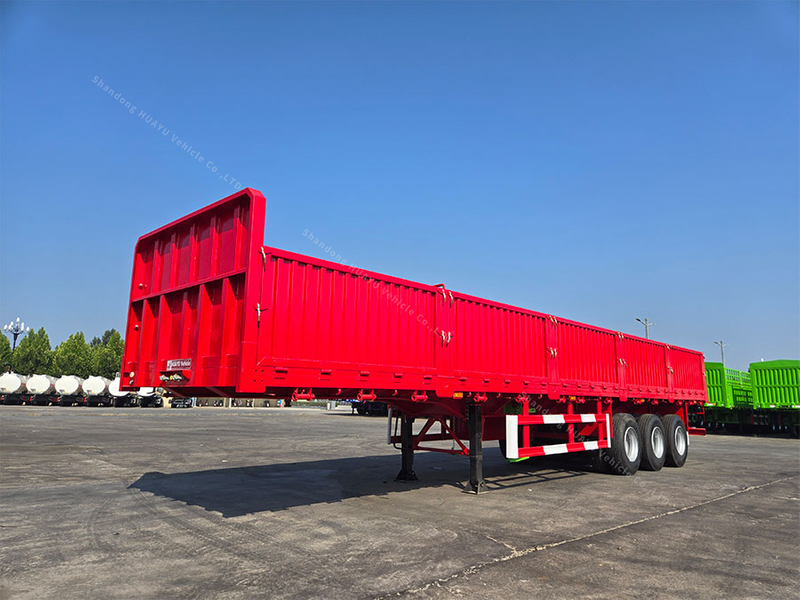
A side wall trailer is a semi-trailer designed to transport agricultural goods and equipment. These trailers are equipped with high side walls that help contain and secure cargo during transport.
Unlike flatbed or open-bed trailers, side wall trailers provide additional protection, especially for bulk or delicate items like grains, fruits, or machinery. The side walls help prevent spillage and damage, making them ideal for hauling agricultural products that require extra security.
The side walls of a side wall trailer are a critical feature for ensuring safe transport. These walls act as barriers that keep items from falling off during transit. They are especially important when hauling loose-filled products like grains or produce.
Side walls come in various designs, offering flexibility for different types of loads:
● Fixed Height Walls: These are permanent and provide stable, consistent protection.
● Fold-Down Walls: These walls can be lowered, making it easier to load and unload large items or heavy machinery.
● Removable Walls: For maximum versatility, removable walls allow users to adjust the trailer's capacity depending on the size of the cargo.
Each design has its unique benefits, making side wall trailers adaptable for a wide range of agricultural transportation needs.
Side wall trailers are built to withstand the demanding conditions of agricultural transport. The frame is typically made from high-strength steel or low-alloy steel. These materials ensure durability and support the weight of heavy loads. The side walls are often made from a mix of steel and lightweight materials, providing a balance between strength and reduced overall weight.
The use of strong steel guarantees the trailer can handle rough agricultural environments, ensuring safety and stability. This combination of materials also contributes to the trailer's longevity, even when exposed to harsh weather or heavy use.
The side walls of these trailers are reinforced for maximum durability. Many trailers use corrugation or cross-bracing techniques to add strength. This reinforcement helps the side walls withstand external impacts during loading, unloading, and transportation. These design features prevent the side walls from bending or denting, ensuring that the cargo stays protected throughout its journey.
Side wall trailers come in different sizes to accommodate various cargo needs. Typical dimensions include:
● Length: 12,500 to 13,000 mm
● Width: Around 2,500 mm
● Height: Varies from 2,700 to 3,150 mm
The dimensions are designed to support the transportation of large agricultural machinery or bulk produce. The length, width, and height of the trailer allow it to handle both long and heavy items efficiently.
Side wall trailers can carry significant loads, ranging from 40 to 60 tons. This capacity makes them ideal for hauling agricultural equipment such as tractors, plows, and harvesters, as well as bulk quantities of produce like grains and vegetables. With these high payload capacities, the trailers reduce the number of trips needed for transporting heavy or voluminous cargo.
Side wall trailers are capable of handling different types of produce and equipment, adapting to the needs of the agricultural industry. Whether it’s lightweight crops or heavy machinery, these trailers are built to support various farming tasks.
One of the key advantages of side wall trailers is their customization flexibility. These trailers come in several variations to meet specific transport needs:
● Side Wall Height: Can be adjusted depending on the load, providing extra protection for different cargo types.
● Removable or Fold-Down Walls: Offer easy loading and unloading of large machinery.
● Interior Fit-Outs: Features like tie-down points and partitions help secure various cargo types, preventing them from shifting during transit.
The ability to adjust side wall height or remove walls entirely allows farmers to tailor the trailer for different agricultural products. Whether hauling grain or large equipment, these trailers can be customized for maximum efficiency.
Side wall trailers are ideal for hauling a variety of agricultural products, including grains, fruits, vegetables, and other perishable goods. The height of the side walls helps contain different types of produce, especially delicate items, preventing them from falling off or getting damaged during transport.
The trailer’s design allows for secure, efficient loading and unloading of fragile produce. The side walls also offer protection against weather elements, reducing the chances of spoilage during transportation.
High side walls are especially beneficial when transporting loose-filled products like grains. These walls help prevent spills and damage, ensuring the load stays intact throughout the journey. Grains and other bulk products are securely contained within the trailer, even on rough, uneven roads.
With proper side wall height and strength, these trailers can carry large amounts of loose product without the risk of losing any cargo during transport.
Side wall trailers are also used for hauling heavy agricultural equipment, such as tractors, plows, and harvesters. The design of the trailer, with adjustable side walls or removable sections, makes it easier to load and unload large machinery.
The side walls help secure equipment during transit, preventing shifting and potential damage. Features like tie-down points inside the trailer add extra stability to the load, ensuring that the machinery stays safely in place.
Side wall trailers are highly versatile and useful across various farming seasons. During the harvest season, they can carry bulk produce, while in planting seasons, they help transport seeds, fertilizers, and equipment. The adaptability of these trailers makes them essential for managing the different needs of each farming season.
Their flexible design means they can be used for a wide range of tasks, from carrying machinery to moving perishable crops, providing constant support throughout the agricultural year.
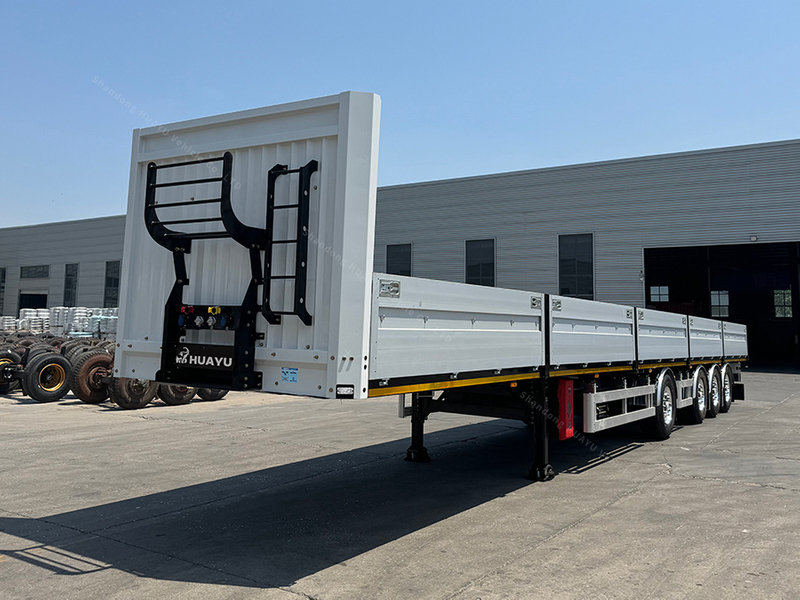
Side wall trailers provide crucial protection for agricultural goods and equipment. The high side walls act as barriers, preventing items from falling off or getting damaged during transport. This is especially important when transporting fragile or bulky loads.
Compared to open trailers, side wall trailers offer superior protection, keeping the cargo safe from environmental factors like wind, rain, and rough roads. This ensures that the agricultural products reach their destination intact.
Side wall trailers are designed to protect delicate goods, such as fruits and vegetables, from external damage. The side walls shield products from harsh weather conditions like rain, dust, or intense sunlight. They also help prevent the goods from shifting during transit, which could lead to bruising or spoilage.
For sensitive products, the extra protection provided by side walls makes a significant difference, ensuring that the cargo arrives in optimal condition.
Side wall trailers save both time and effort during the loading and unloading process. Their customizable design allows for easy access to the cargo, whether the walls are fold-down or removable. This makes loading and unloading large or heavy items quicker and more efficient.
Additionally, side wall trailers reduce the number of trips required to transport heavy or bulky agricultural equipment and large quantities of produce. With their high capacity, these trailers make fewer trips possible, saving both time and fuel.
The construction materials used in side wall trailers are built to last. Made from high-strength steel and reinforced for additional support, these trailers are designed to withstand the rough conditions of agricultural transportation. The robust build makes them resistant to wear, tear, and the demanding terrain often encountered on farms.
Side wall trailers are built for longevity, ensuring that they can handle years of heavy use in challenging environments without compromising performance.
Open bed trailers are commonly used for hauling agricultural goods, but they lack the protection side wall trailers offer. While open bed trailers provide flexibility for larger or bulkier loads, they don’t secure the cargo as well.
Without side walls, items are more exposed to the elements, such as rain or wind, which can cause damage or loss of produce. Side wall trailers, on the other hand, ensure protection from environmental factors and reduce the risk of spillage.
Flatbed trailers offer a solid surface for large machinery or crops but lack side walls to contain goods. Unlike side wall trailers, which offer better cargo security, flatbeds may require additional straps or covers to prevent items from shifting or falling off.
Side wall trailers provide added security, especially for transporting smaller or more delicate items, making them ideal when cargo containment is crucial.
Box trailers have fully enclosed sides, providing excellent protection for goods, but they may not offer the same versatility as side wall trailers. Box trailers can be great for transporting sensitive goods that require full protection from the elements, but they might not accommodate bulky or oversized agricultural equipment as easily as side wall trailers.
Side wall trailers offer flexibility in design, allowing for adjustable wall heights or removable sides, making them more suitable for hauling both small produce and large machinery. In contrast, box trailers are more suited for specific, enclosed cargo needs.
One of the standout features of side wall trailers is their versatility. Unlike other trailers, they can handle a variety of agricultural loads, from perishable goods like fruits and vegetables to heavy machinery such as tractors and plows.
Their adjustable side walls and removable sections allow farmers to easily adapt the trailer based on the size and type of cargo. This level of flexibility makes side wall trailers more versatile than flatbeds, open bed trailers, or box trailers, which often cater to specific types of cargo.
When choosing a side wall trailer, consider the type of agricultural products you'll be transporting. For delicate crops like fruits and vegetables, you'll need a trailer with higher side walls to prevent damage. For heavy machinery or equipment, a lower side wall height may be sufficient, as the primary concern will be securing the load.
The trailer should be designed to handle the specific requirements of your products, ensuring protection during transportation while maximizing efficiency.
Payload is a key factor when selecting a side wall trailer. The weight and volume of the load you plan to transport should guide your decision. If you're hauling heavy equipment or large quantities of bulk produce, look for trailers with higher load capacities (40-60 tons).
Check the trailer's weight distribution and capacity ratings to ensure it can handle your typical load size safely. Matching the trailer’s capacity to your farming needs will help prevent overloading and reduce the risk of damage.
Customization options are essential for tailoring a side wall trailer to your farming operations. Features like adjustable side walls, removable walls, and extra tie-down points inside can make a significant difference in how efficiently you load and unload your products.
If you're transporting a wide range of goods—both perishable and bulky—choose a trailer with adjustable side wall height and removable walls. Custom interior fit-outs, such as partitions or additional storage options, can also be helpful depending on your unique needs.
When purchasing a side wall trailer, you must balance upfront costs with long-term benefits. The initial investment is important, but so is considering how much you’ll save in time, fuel, and maintenance. More durable trailers may cost more initially but can offer lower maintenance costs and greater longevity.
Factor in not only the purchase price but also potential savings from fewer trips, less fuel consumption, and the durability of the trailer in harsh conditions. Ensure that your chosen trailer fits within your budget while providing value over its lifespan.
When selecting a side wall trailer, prioritize key safety features to protect both the driver and the cargo. Look for trailers equipped with a reliable braking system, including an anti-lock braking system (ABS). ABS ensures better control and prevents wheel lock-up during emergency braking, especially on slippery roads.
Rear under-run protection is another crucial feature. It helps prevent smaller vehicles from sliding under the trailer in case of a collision, offering additional safety on the road.
Regular maintenance is essential for keeping your side wall trailer in top condition. Tire wear is one of the first things to check. Ensure the tires are in good condition and properly inflated, as worn tires can reduce stability. Check the brake functionality frequently to ensure it’s responsive.
Inspect the axles regularly for any signs of wear or damage. Over time, they can become misaligned or worn, which could affect the trailer's ability to carry loads safely. Also, clean and inspect the side walls and interior to remove debris or dirt that could cause rust or damage to the trailer.
To extend the lifespan of your side wall trailer, regular upkeep is key. Store it in a dry, sheltered space when not in use, especially during off-seasons, to prevent rust and environmental wear. Use protective coatings on the frame to shield against the elements.
Also, perform routine lubrication on moving parts, such as the axles and suspension system, to keep them operating smoothly. Proper seasonal care—such as winterizing your trailer during colder months—can help avoid damage from freezing temperatures or road salt.
Side wall trailers can experience common wear and tear, particularly on the side walls and frame. To prevent this, avoid overloading the trailer, as excessive weight can strain the structure, leading to dents or bending.
Inspect the frame and side walls for cracks or stress points regularly. Be mindful when loading and unloading, ensuring that no sharp objects come into contact with the walls or the frame. Taking the time to properly secure the load also prevents damage to both the cargo and the trailer.
By staying on top of these maintenance practices and safety features, your side wall trailer will last longer and serve your agricultural needs effectively.
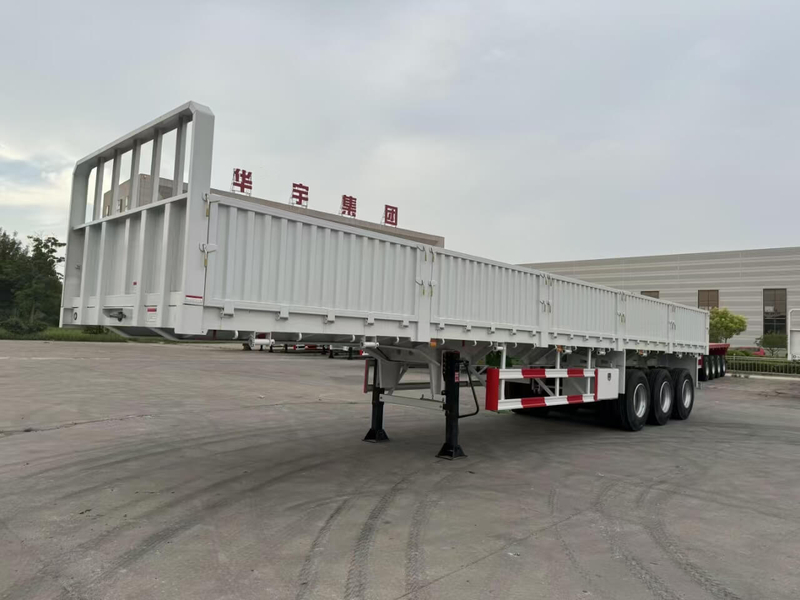
Side wall trailers play an important role in minimizing the waste and losses of agricultural produce during transport. By securely containing goods, the side walls prevent items from falling off, getting damaged, or being exposed to harsh environmental factors like rain or dust.
For perishable goods, like fruits and vegetables, keeping them intact during transit ensures that more of the harvest reaches markets without spoilage. This reduces overall waste and supports more efficient food distribution.
Side wall trailers help make the agricultural supply chain more efficient, contributing to a circular economy. By ensuring that goods are transported without damage or loss, these trailers reduce the need for excess production and waste. This helps lower the environmental footprint of agriculture, ensuring that resources are used more effectively.
The trailer’s design also supports efficient transportation of both produce and equipment, allowing farmers to make fewer trips. This reduces fuel consumption and cuts down on greenhouse gas emissions, further promoting sustainability in the agriculture sector.
The environmental impact of side wall trailers is an important factor in their design. Many trailers are built using eco-friendly materials, such as low-alloy steel, which is durable and has a lower environmental footprint compared to other metals. These materials are chosen for their strength, longevity, and recyclability, making them a more sustainable choice for agricultural transportation.
Additionally, side wall trailers are designed to minimize wasted space, reducing fuel consumption per load. Efficient use of space translates to fewer trips, lowering emissions and fuel use over time.
The construction of side wall trailers uses sustainable materials aimed at reducing environmental impact. For example, lightweight composite materials are often used for the side walls, reducing the overall weight of the trailer. This not only lowers the energy needed to transport goods but also reduces wear and tear on roads.
Using durable and recyclable materials ensures the trailer can be used for many years, contributing to a more sustainable lifecycle. Moreover, materials such as recycled steel and aluminum are often employed in trailer frames, which are more environmentally friendly than using virgin metals.
By incorporating these sustainable materials and design elements, side wall trailers help make agricultural transportation greener and more eco-conscious.
A: Side wall trailers provide essential protection for agricultural produce by preventing damage, spillage, and exposure to weather elements. Their side walls secure the cargo, ensuring safe transport of perishable goods like fruits and vegetables.
A: Yes, side wall trailers are versatile and can carry both perishable crops and heavy agricultural machinery. The adjustable side walls and robust design accommodate a wide range of loads, from delicate produce to large equipment like tractors.
A: Side wall trailers are typically made from high-strength steel and low-alloy steel for durability. The side walls often combine steel with lightweight materials, ensuring strength while reducing the overall weight of the trailer.
A: Consider the type of cargo you need to transport, including weight and volume. Choose trailers based on the height of the side walls, payload capacity, and customization options for securing different agricultural products and equipment.
A: Regularly check tire wear, brake functionality, and axle condition. Clean and inspect the side walls to avoid rust or damage. Store the trailer in a sheltered space and lubricate moving parts to ensure smooth operation and extend its lifespan.
Side wall trailers are essential for safely transporting agricultural produce and equipment. Their strong side walls protect cargo from damage and environmental factors.
When choosing a side wall trailer, consider the type of cargo, payload capacity, and customization needs. Proper maintenance will ensure its longevity and efficiency for years to come.


