
Views: 0 Author: Site Editor Publish Time: 2026-11-12 Origin: Site


Expanding a logistics fleet requires more than just evaluating payload capacities and chassis dimensions. The braking system serves as the ultimate mechanical fail-safe. Hauling massive payloads across state lines with non-compliant brakes inevitably leads to catastrophic accidents, hefty fines, and severe out-of-service violations. Understanding the exact deceleration standards applied to intermodal chassis is critical for any fleet manager. This guide breaks down the strict federal mandates, weight-based rules, and anti-lock requirements governing commercial transport. We will analyze the engineering behind heavy-duty stopping power to ensure your next fleet addition is safe, reliable, and fully compliant.
Operating legally on public highways means adhering to strict federal guidelines. The Federal Motor Carrier Safety Administration establishes the absolute baseline safety requirements governing pneumatic systems in the commercial trucking industry.
Regulation 393.43 is not just paperwork; it is a life-saving mandate dictating the necessity of breakaway braking systems. Imagine cruising down the interstate at 65 mph. A sudden mechanical disconnect could turn a heavy chassis into an unguided missile. To prevent this scenario, the rule requires the trailer braking system to apply automatically if it accidentally detaches from the towing vehicle. Heavy-duty equipment utilizes tractor protection valves and emergency air lines to achieve this fail-safe. If air pressure drops suddenly due to a disconnection, the mechanical spring brakes deploy instantly. This brings the detached unit to a complete and controlled stop.
Building on breakaway safety, another foundational rule requires every commercial trailer to have operative brakes acting on all wheels. Minor exceptions exist for very light utility trailers. However, any commercial chassis designed to carry shipping containers falls strictly under the all-wheel mandate. The immense kinetic energy generated by a fully loaded container must distribute evenly across all axles during deceleration. This even distribution drastically reduces the risk of brake fade, localized overheating, or mechanical failure on a single axle.
Roadside inspectors do not merely check if brake pads are installed. They measure actual stopping performance. Federal regulations outline specific stopping distances based on vehicle weight and speed. A heavy commercial vehicle traveling at 20 mph must halt within 35 feet. Inspectors utilize Performance-Based Brake Testers to measure the force generated by each wheel. Should the total braking force fail to meet the minimum percentage of the vehicle gross weight, the trailer will receive an immediate out-of-service order.
Weight remains the primary determining factor for required stopping power. A fully loaded 40 ft container demands immense friction to halt. The physics of heavy-duty hauling dictate strict engineering parameters for pneumatic systems.
In the commercial towing sector, the Gross Vehicle Weight Rating is the maximum operating weight specified by the manufacturer. Federal and state laws universally agree on a specific threshold. Any trailer with a Gross Vehicle Weight Rating exceeding 3,000 lbs must feature its own independent braking system. An empty 40 ft container chassis alone weighs around 6,500 lbs. It instantly triggers this legal requirement long before a steel box is lowered onto its twist locks.
When evaluating a shipping container trailer for your operations, understanding the sheer mass is crucial. Consider a standard 3-axle 40 ft unit. It is engineered to handle a rated payload of up to 40 tons. Upgrading to a heavy-duty 4-axle configuration designed for 80 tons means the kinetic energy during deceleration multiplies exponentially. Light-duty solutions like surge or electric brakes are entirely inadequate at this weight class. These trailers require specialized, commercial-grade air brakes equipped with widened brake linings, heavy-duty 13-ton or 16-ton axles, and high-friction shoes. The system must be engineered to dissipate the massive thermal energy generated when stopping 80,000 lbs of moving steel.
The way cargo is loaded inside the steel box directly impacts stopping performance. Unevenly distributed payloads cause one side or a specific axle to bear a disproportionate amount of weight. During deceleration, the wheels carrying the heavier burden experience accelerated shoe wear and dangerously high drum temperatures. A well-engineered chassis featuring a robust mechanical or air suspension system helps equalize this weight distribution. This ensures friction is applied evenly across the brake drums, preventing premature mechanical degradation.
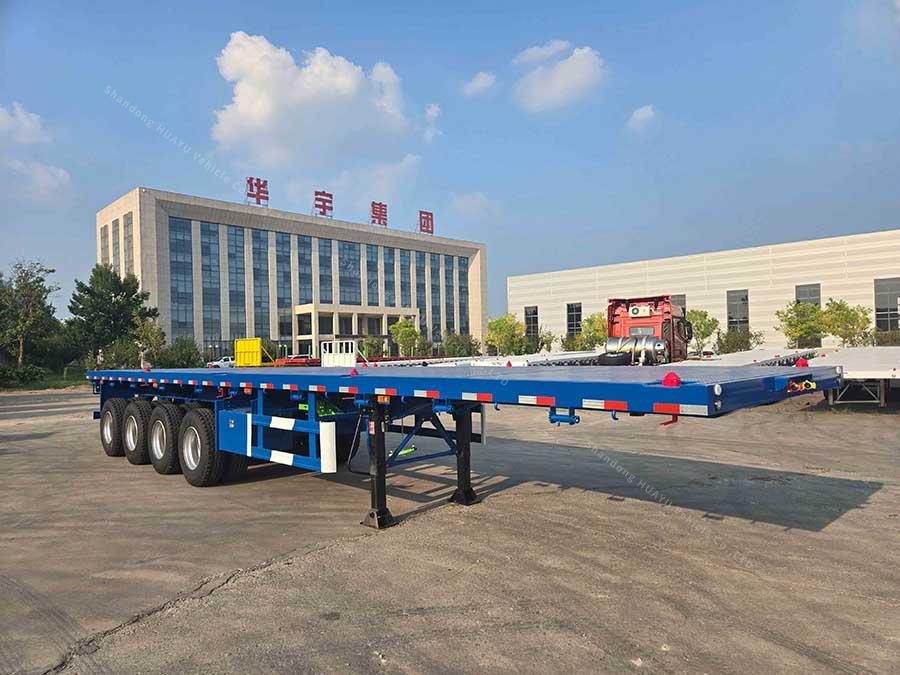
Understanding the mechanical differences between stopping systems is critical when evaluating logistics equipment. The commercial trucking industry relies almost exclusively on advanced pneumatic technologies for safety and efficiency.
Air brakes are the undisputed standard for heavy freight transport. Hydraulic fluid can leak and cause catastrophic failure. Pneumatic systems rely on an infinite supply of compressed air generated by the truck engine compressor. They are designed as a fail-safe mechanism. Powerful mechanical springs naturally hold the brakes in the applied position. Air pressure is actually required to release them. Should the system lose pressure, the springs automatically clamp down to halt the vehicle safely.
| Feature | Dual-Line Air Brakes | Electric Brakes |
|---|---|---|
| Actuation Method | Compressed air actuating mechanical S-cams | Electromagnets creating friction against an armature |
| Clamping Force | Extremely high, capable of stopping 80+ tons | Low to moderate, suitable only for light utility loads |
| Heat Dissipation | Excellent, utilizes large heavy-duty drums or discs | Poor, prone to severe brake fade under heavy loads |
| Fail-Safe Mechanism | Mechanical spring brakes deploy upon pressure loss | Relies on a small breakaway battery system |
| Commercial Legality | Fully DOT compliant for heavy intermodal transport | Illegal and unsafe for 40 ft container chassis payloads |
The commercial transport sector is witnessing a notable technological shift. Fleet operators are increasingly transitioning from traditional drum brakes to Air Disc Brakes on intermodal chassis. Driven by stringent stopping distance mandates from regulatory bodies, Air Disc Brakes offer superior heat dissipation and virtually eliminate brake fade during steep descents. Simultaneously, the integration of Electronic Braking Systems is gaining traction. Electronic Braking Systems reduce pneumatic lag time by sending electronic signals directly to the modulator valves, resulting in instantaneous brake application. This evolution enhances highway safety and significantly reduces long-term maintenance downtime.
Trailer anti-lock systems have been federally mandated for decades. Comprehending how they function helps you make smarter purchasing decisions and maintain compliance during rigorous fleet inspections.
An Anti-lock Braking System is an electronic safety net designed to prevent the trailer wheels from locking up and skidding during hard deceleration. The system consists of an Electronic Control Unit, wheel speed sensors, and modulator valves. Sensors constantly monitor the rotational speed of the tires. If the Electronic Control Unit detects a wheel decelerating too rapidly and on the verge of locking, it signals the modulator valve. The valve rapidly pulses the air pressure to that specific brake chamber, thereby maintaining vital rolling traction.
Jackknifing is one of the most terrifying events in commercial trucking. It happens when the trailer wheels lock up, causing the trailer to swing violently out of alignment with the cab. When a driver slams on the brakes on a rain-slicked off-ramp, the anti-lock system prevents wheel lock-up. This longitudinal grip keeps the trailer tracking straight, even during panic stops on compromised road surfaces.
Verifying functionality is straightforward when inspecting a unit. Federal law requires all trailers manufactured after March 1, 1998, to feature an external malfunction indicator lamp. This amber-colored light is typically located on the driver side near the rear. When connected to power, this light should illuminate briefly as the Electronic Control Unit runs a self-diagnostic check, then turn off. A light that stays illuminated indicates a hard fault and a direct violation of DOT regulations. Never dispatch a unit with an active malfunction light.
While federal mandates cover interstate commerce, local jurisdictions add layers of complexity. This is especially true if you procure equipment for local port drayage or specific regional logistics routes.
States possess the authority to enforce stricter inspection intervals and maintenance standards. California operates the Basic Inspection of Terminals program, requiring rigorous 90-day inspections of commercial trailers. This includes detailed brake stroke measurements. Texas and Florida deploy specific weight-per-axle enforcement teams that heavily scrutinize braking systems on overweight container loads navigating high-heat environments. Fleet managers must calibrate their equipment for both federal compliance and the specific terrains of their operational states.
Complying with Intermodal Equipment Provider and port roadability regulations is paramount if your operation involves pulling steel boxes directly from maritime hubs. Major ports enforce strict gate checks before a chassis is allowed to enter or exit the terminal. Inspectors check for audible air leaks, proper gladhand seals, and adequate shoe thickness. A trailer with a minor defect that might temporarily pass a casual highway check will be immediately rejected at a port gate. This causes severe supply chain bottlenecks.
Acquiring the asset is only the first step. Meticulously maintaining the brakes ensures ongoing legal compliance, driver safety, and the protection of your valuable cargo.
Commercial drivers are legally bound to perform a meticulous pre-trip inspection before hitting the highway. A standard routine involves chocking the wheels to prevent rolling, then verifying the system holds 90 to 100 psi without dropping. Mechanics and drivers must manually check that pushrod travel on the slack adjusters does not exceed legal limits. Catching a micro-leak in the yard takes ten minutes. Suffering a brake failure on a steep downgrade costs lives.
Preventative maintenance relies on catching warning signs early. Maintenance personnel should look for cracked or heat-checked drums, indicating severe overheating. Glazed brake shoes appear shiny and hard. Glazing reduces friction and drastically increases stopping distance. Operationally, if a driver experiences a spongy pedal, delayed stopping response, or the trailer pulling aggressively to one side during deceleration, the system requires immediate mechanical intervention.
Neglecting maintenance carries severe financial penalties. During roadside inspections by the Commercial Vehicle Safety Alliance, brake defects are the number one reason commercial vehicles are placed out of service. An out-of-service order halts your freight. This results in missed delivery deadlines, hefty DOT fines, and negative points on your company Compliance, Safety, Accountability score. Poor scores inevitably lead to skyrocketing commercial insurance premiums.
The builder you select fundamentally determines the safety, durability, and legal compliance of your fleet. The braking system is deeply integrated into the chassis design, axle configuration, and overall pneumatic architecture.
Building a chassis capable of hauling a fully loaded 40 ft shipping container requires precise engineering. A builder lacking specialized expertise might cut corners on structural integrity or install generic pneumatic systems. Partnering with a dedicated flatbed trailer manufacturer ensures the vehicle architecture supports optimal weight distribution. If axles are improperly positioned, the braking force distributes unevenly. Premium builders utilize T700 high-strength steel to prevent chassis flex, ensuring the brake components remain perfectly aligned under heavy loads.
The reliability of a container chassis relies heavily on the quality of its individual components. Inquire about the specific brands and materials used in the pneumatic systems. High-quality air tanks are essential. They must be constructed from corrosion-resistant materials to prevent internal rusting, which can clog valves and compromise stopping power.
Pay close attention to the relay valves, chambers, and slack adjusters. Premium manufacturers utilize automatic slack adjusters rather than manual ones. Automatic slack adjusters compensate for shoe wear on the go, ensuring the brakes remain properly calibrated without constant manual intervention. Top-tier builders supply Electronic Control Units offering faster processing speeds and highly reliable wheel lock-up prevention.
Purchasing heavy-duty logistics equipment is a significant capital expenditure. Navigating the market requires a methodical approach, particularly when assessing the mechanical viability of the pneumatic system.
Fleet owners frequently debate whether to procure new or used equipment. The initial capital required for a used unit is lower. However, the hidden costs associated with brake system rehabilitation often negate those savings. Commercial air brakes endure immense friction and stress. On a used trailer, you might inherit worn drums, thinning shoes, internally degraded air hoses, and outdated anti-lock technology.
Opting to invest in a brand-new container trailer for sale provides distinct mechanical and financial advantages. A fresh unit guarantees zero brake wear. The pads, drums, and S-cams operate at peak efficiency from day one. New trailers come equipped with the latest generation of anti-lock technology, offering superior diagnostics and compliance with recent safety updates. Factoring in the cost of immediate brake overhauls and potential downtime makes purchasing new a much higher long-term return on investment.
Follow a strict evaluation protocol to verify the integrity of the braking system before finalizing any purchase:
Mastering the deceleration standards applied to container chassis is about much more than passing a DOT inspection. It is about protecting your cargo, your drivers, and the bottom line of your business. From Regulation 393.43 to the mandatory inclusion of robust pneumatic systems, heavy-duty hauling demands top-tier engineering. Prioritizing safety and compliance must be your top concern when expanding operations. Always partner with a trusted manufacturer who guarantees their vehicles meet all federal braking standards straight off the assembly line. For fleet managers looking to upgrade their equipment with fully compliant, heavy-duty transport solutions, explore the expertly engineered inventory at Huayu Vehicle to secure an asset that delivers uncompromising stopping performance.
Yes. Federal law dictates that any commercial trailer with a Gross Vehicle Weight Rating over 3,000 lbs must be equipped with independent brakes on all wheels. A standard intermodal chassis far exceeds this weight, making fully functional brakes a strict legal requirement for operation on public roadways.
Commercial trailers must feature a breakaway system. In the event the trailer disconnects from the towing truck, this system utilizes stored compressed air to automatically engage the trailer brakes. This brings the detached unit to a safe and immediate stop to prevent severe accidents.
No. Due to the massive weight of a fully loaded 40 ft container, electric brakes simply do not provide sufficient stopping power or heat dissipation. Commercial chassis legally require heavy-duty dual-line air brake systems, which offer the infinite energy supply and fail-safes necessary for heavy hauling.
Yes. Federal transportation authorities require all modern commercial air-braked trailers to be equipped with an Anti-lock Braking System. This technology is legally mandated to prevent wheel lock-up, maintain lateral stability, and prevent dangerous jackknifing incidents during hard braking.
The legal brake stroke limit depends on the size and type of the brake chamber. For a standard Type 30 clamp-type brake chamber commonly found on heavy-duty trailers, the maximum legal pushrod stroke is typically 2 inches. Exceeding this limit results in an immediate out-of-service violation.
Yes. Federal regulations mandate that all commercial vehicles equipped with air brakes built after October 20, 1994, must use automatic slack adjusters. These components automatically adjust the brake shoe clearance to compensate for lining wear during normal operation.
Drivers are legally required to perform a pre-trip inspection of the air brake system every single day before operating the vehicle. Additionally, a thorough mechanical inspection by a certified technician should be conducted annually, or more frequently as dictated by specific state regulations, to ensure ongoing legal compliance.


