
Views: 0 Author: Site Editor Publish Time: 2026-07-04 Origin: Site


Standard trailer walls and aftermarket DIY fences routinely fail under the lateral stress of shifting heavy freight, leading to catastrophic load loss and equipment damage. Hauling high-density, irregular materials like concrete, lumber, agricultural goods, or heavy machinery requires a containment system that goes beyond basic aesthetics. Buyers must differentiate between light-duty stake sides and engineered structural supports capable of withstanding dynamic loads. This guide breaks down the engineering requirements, material trade-offs, and structural evaluation criteria necessary to spec or purchase a heavy duty fence cargo trailer that ensures compliance, safety, and long-term ROI.
Commercial hauling demands strict performance baselines for heavy-duty containment. Standard enclosed trailers or light utility models simply cannot handle the abuse of industrial payloads. Success requires a structure capable of containing bulk concrete mix, wet treated lumber, post-hole diggers, and pre-built fence panels without structural deformation. The containment system must resist both the static weight of the cargo leaning against the sides and the dynamic forces introduced during transit. Operators need a trailer that maintains its structural geometry after years of loading cycles. When you drop a pallet of retaining wall blocks onto the deck, the lateral shockwave travels outward. If the fence structure lacks the rigidity to absorb and deflect that energy, the uprights will permanently bend outward, rendering the trailer unsafe for highway use.
Physics dictate the survival of your trailer walls. Cornering and braking generate massive lateral forces, especially when hauling high-density freight like stacked wood or concrete blocks. When a driver hits the brakes at highway speeds, a 15,000-pound load of wet lumber shifts forward and outward. Inadequate vertical supports cannot absorb this kinetic energy. The stress transfers directly to the base welds. Over time, this repetitive stress causes metal fatigue. Welds shear at the base, and the entire fence structure compromises. Proper engineering must account for these lateral forces by utilizing heavy-gauge uprights tied directly into the main chassis. You cannot rely on surface-level tack welds to hold back thousands of pounds of shifting mass.
Many operators operate under the dangerous misconception that 1/2-inch or 3/4-inch plywood provides sufficient structural integrity for heavy containment. Plywood flexes. It cannot contain thousands of pounds of shifting concrete or steel. Hanging heavy tool racks or equipment directly from unreinforced wooden or thin-gauge metal walls introduces severe mechanical risks. The fasteners will eventually pull through the material. You must utilize a metal sub-frame and structural vertical supports. These components transfer vertical and lateral weight directly to the trailer's main chassis, bypassing the weak infill materials entirely. Relying on wood for structural containment on a commercial job site is a guaranteed path to equipment failure and potential DOT violations.
A commercial-grade fence support system relies on a network of interconnected components. You cannot rely on a single structural element to provide all the necessary strength. The anatomy of a high capacity fence semi trailer includes engineered uprights, reinforced stake pockets, heavy-duty gussets, and integrated cross-members. Each component plays a specific role in distributing weight and resisting lateral forces. Understanding these categories helps buyers specify the right build for their operational demands. A failure in the stake pocket design will render the strongest tubular upright useless, just as a weak cross-member will allow a heavy-duty gusset to tear through the deck.
Stake pockets serve as the foundation for your fence uprights. You must evaluate the depth, steel gauge, and welding patterns of these pockets. Shallow pockets allow too much leverage, leading to bent uprights. Look for full-depth pockets welded on all four sides to the outer rub rail and frame. You must also choose between fixed-welded uprights and removable drop-in stakes. Fixed uprights offer maximum rigidity for permanent containment. Removable stakes provide operational flexibility for side-loading pallets, but they require tighter tolerances to prevent rattling and wear.
| Stake Pocket Type | Structural Rigidity | Operational Flexibility | Best Use Case |
|---|---|---|---|
| Fixed-Welded Uprights | Maximum (No movement) | Low (Cannot side-load easily) | Dedicated bulk material hauling (scrap, loose agricultural goods). |
| Removable Drop-In Stakes | Moderate (Relies on pin/pocket tolerance) | High (Allows full side access) | Mixed freight, palletized goods, flatbed conversions. |
| Hinged Drop-Sides | Moderate to High (Requires heavy latches) | Very High (Quick access) | Landscaping, construction debris, frequent manual loading. |
Steel gussets are critical for reinforcing the 90-degree angle between the deck and the fence. These triangular plates distribute stress away from the corner weld, preventing the upright from snapping under lateral load. Furthermore, fence uprights must align perfectly with the trailer’s sub-deck cross-members. If an upright sits between cross-members, lateral force will twist the outer frame rail and warp the deck. Direct alignment ensures that the lateral force transfers safely across the entire width of the trailer chassis. When inspecting a trailer, look underneath the deck. Every vertical fence post should have a corresponding horizontal cross-member directly beneath it, tying the outer rail to the main I-beam or structural channel.
Loading heavy machinery requires rear ramp doors rated for 2,500 to 4,000 lbs. Standard ramps will buckle under the weight of skid steers or mini-excavators. You need steel-framed doors reinforced with heavy cross-bracing. The connection points demand heavy-duty three-piece welded hinges. Corner-post reinforcements are mandatory to resist the massive bending forces applied when heavy rolling loads cross the threshold. A weak rear gate compromises the entire rear structural hoop of the trailer. If the rear frame twists during loading, the side fences will bow inward or outward, permanently misaligning the entire containment system.
Drop-side configurations offer excellent loading access but introduce structural vulnerabilities. You must evaluate the hinges and latches carefully. Specify three-piece welded hinges with thick steel pins. Avoid piano hinges or light-duty bolt-on options. Heavy-duty steel latches are required to keep the sides locked under load. Latch failure during transit leads to immediate cargo loss. Always spec redundant locking mechanisms, such as secondary safety pins or over-center cam latches, to ensure the drop-sides remain secure regardless of load shifting. A single point of failure on a drop-side latch can result in thousands of pounds of material spilling onto the highway.
Operators need safe access to the cargo area for manual loading and strap adjustment. Heavy-duty side-door frame reinforcements prevent the fence structure from weakening at the cutout. Integrated side steps facilitate safe climbing. These access points must integrate into the primary frame without compromising the structural integrity of the surrounding fence. Proper ergonomics reduce operator fatigue and prevent injuries during daily loading cycles. A well-designed side step should be welded directly to the main frame, not bolted to the thin outer rub rail, ensuring it can support the weight of an operator carrying heavy chains or binders.
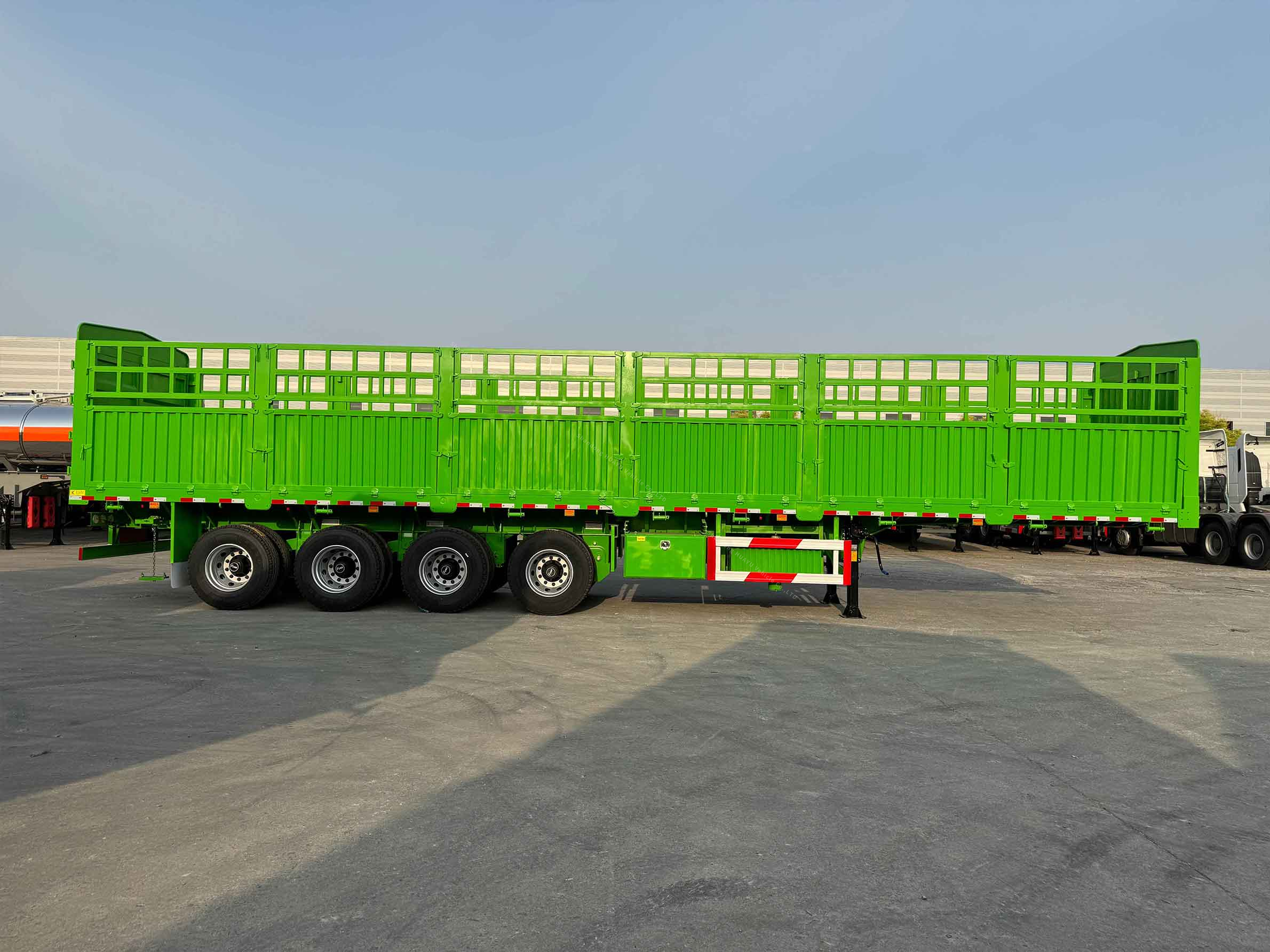
Assessing the physical materials used in fence construction requires looking past the spec sheet. You must map specific material features to real-world outcomes. Strength, weight, and corrosion resistance dictate the lifespan of the trailer. The right materials prevent premature failure and keep the trailer on the road earning revenue. A trailer built with inferior steel will require constant welding repairs, causing downtime that destroys project schedules. You must evaluate the yield strength of the steel, the thickness of the tubing walls, and the quality of the protective coatings applied at the factory.
Closed tubular steel provides superior torsional strength. This makes it the ideal choice for long-span fences on a long deck fence cargo trailer. Tube steel resists twisting forces far better than open profiles. C-channel alternatives offer weight savings and lower initial costs. However, C-channel flexes more under load. For heavy-duty applications, the torsional rigidity of tubular steel justifies the added weight and expense, ensuring the long deck remains straight and true. When a forklift pushes a heavy pallet against a C-channel upright, the open side of the channel allows the metal to twist. Tubular steel, with its closed box design, distributes that impact force evenly across all four walls of the tube, preventing deformation.
The material between the uprights serves as the primary containment barrier. Expanded metal mesh offers excellent visibility and reduces aerodynamic drag. It works well for large, bulky items like pipe, lumber, or large equipment. Solid steel or reinforced composite panels provide superior impact resistance. Solid panels prevent small debris like gravel, loose soil, or demolition waste from escaping. Choose the infill material based on the specific type of freight you haul most frequently. If you haul mixed loads, a combination approach—solid panels on the bottom two feet to contain loose debris, with expanded mesh on the top for visibility—often provides the best operational balance.
Trailers exposed to wet treated lumber, acidic soil, or concrete dust face severe corrosion risks. Hot-dipped galvanized steel offers the highest long-term return on investment. The zinc coating bonds metallurgically to the steel, protecting it inside and out. Powder coating provides a hard, attractive finish but can chip under impact. Once powder coating chips, moisture creeps underneath and causes hidden rust. Galvanized finishes remain the superior choice for high-abuse environments. When hauling corrosive materials like fertilizer or road salt, a painted or powder-coated frame will begin to rust within a single season, whereas a properly galvanized frame will resist corrosion for decades.
Operators must differentiate between containment and securement. The fence acts as containment. It keeps loose items from falling off the deck. The tie-downs provide securement. They lock heavy freight to the chassis. Relying on the fence for securement guarantees structural failure. A properly integrated securement system adds immense value by ensuring legal compliance and preventing cargo damage. You must design the trailer with dedicated anchor points that bypass the fence structure entirely, tying directly into the heaviest steel components of the undercarriage.
Department of Transportation (DOT) regulations require specific securement standards for hefty cargo. You must understand Working Load Limits (WLL) and break strengths. Light-duty retail straps fail under commercial loads. You need commercial-grade tie-down straps rated for 500 lbs WLL up to 4,000+ lbs break strength. You must anchor these heavy-duty straps directly to the main frame or engineered rub rails. Anchoring to the fence rails will bend the tubing and compromise the containment structure. The Federal Motor Carrier Safety Administration (FMCSA) mandates that the aggregate working load limit of your tie-downs must equal at least one-half the weight of the cargo being secured.
| Securement Component | Typical WLL Rating | Mounting Location | Primary Application |
|---|---|---|---|
| Recessed Floor D-Rings | 5,000 - 10,000 lbs | Bolted/Welded to Chassis Cross-Members | Heavy machinery, steel coils, large concrete blocks. |
| Heavy-Duty Rub Rails | 3,000 - 5,000 lbs | Welded to Outer Frame Edge | Strapping down palletized goods, lumber, pipe. |
| Wall-Mounted E-Track | 1,000 - 2,000 lbs | Bolted to Reinforced Wall Studs | Securing lighter tools, rolling carts, secondary cargo. |
Securing heavy items requires massive structural support at the anchor points. Recessed floor D-rings bolt directly to the chassis cross-members, offering the highest WLL. If you must use wall-mounted securement points, you need reinforced wall tracks. Never screw D-rings directly into thin wall panels. You must implement heavy steel backing plates behind any wall-mounted securement points to prevent the anchors from tearing out under load. When a 5,000-pound piece of equipment shifts during a hard turn, a wall-mounted D-ring without a steel backing plate will rip straight through the aluminum or thin steel skin, taking the cargo and the fence panel with it.
Purchasing a custom build involves significant capital. Overlooking critical specifications leads to buyer's remorse and expensive modifications. You must watch out for mismatched components, inadequate weight ratings, and dimensional violations before finalizing any purchase order. A trailer that looks heavy-duty on the lot might feature thin-wall tubing hidden beneath a thick layer of paint. You must verify the engineering specifications, specifically the steel gauge and the axle ratings, to ensure the trailer can handle your specific operational demands.
Adding a heavy-duty steel fence increases the tare weight of the trailer. This directly reduces your overall payload capacity. You must calculate the exact weight of the structural upgrades. To compensate, specify heavy-load axles. Upgrading to 7,000 lb, 10,000 lb, or even heavier axles ensures you maintain sufficient payload capacity while carrying the heavier, reinforced fence structure. If you add 1,500 pounds of tubular steel fencing to a trailer with standard 3,500-pound axles, you severely limit the amount of actual freight you can legally and safely haul.
Many operators cannot always predict their exact cargo mix. One day you haul pallets of sod; the next day you haul a skid steer. You must build a buffer into your specifications. Default to upgraded heavy-load axles. This prevents leaf spring, spindle, and frame failure when an unpredictable load exceeds your standard operating weights. Overbuilding the running gear is the cheapest insurance against catastrophic roadside breakdowns. Specifying oil-bath hubs and heavy-duty slipper spring suspensions will handle the dynamic shock loads of rough construction sites far better than standard torsion axles.
Federal regulations strictly govern load securement on open and fenced trailers. You must ensure your trailer complies with all DOT rules. Furthermore, mitigate over-dimensional risks. Ensure the outer fence structure, hinges, and latches do not push the trailer beyond legal width limits (typically 102 inches in North America). A trailer that measures exactly 102 inches at the deck might exceed legal limits once you add heavy-duty external latches or stake pocket reinforcements. Always measure the absolute widest point of the trailer, including all protruding hardware, to avoid costly over-width citations at weigh stations.
A: Tubular steel is the industry standard for maximum torsional rigidity and lateral load resistance. It resists twisting far better than open C-channel designs. Heavy-duty aluminum is a viable option only where maximizing payload weight is the absolute highest priority, though it sacrifices some impact resistance.
A: Fence height should be dictated by the tallest standard freight you haul. Heights typically range from 24 inches for basic pallet containment to 48+ inches for stacked materials. You must ensure the load never exceeds the height of the structural uprights to maintain proper lateral support.
A: No. Fence rails are designed strictly for lateral containment, not primary securement. Heavy cargo must be secured to frame-integrated, floor-mounted D-rings or specifically engineered, load-rated rub rails. Tying down to fence rails will bend the structure and violate DOT securement regulations.
A: Only if the load is structurally supported. To prevent wall bowing and weld cracks, heavy accessories must utilize vertical support legs that run down to the floor deck. This transfers the weight directly to the trailer's main chassis rather than relying solely on the wall panels or fence rails.
A: You need a ramp rated for at least 2,500 to 4,000 lbs, depending on your specific machinery. The ramp must feature steel framing, heavy cross-bracing, and three-piece welded hinges. Standard utility ramps will buckle under the concentrated rolling weight of skid steers or mini-excavators.


