
Views: 0 Author: Site Editor Publish Time: 2026-11-11 Origin: Site


Transporting hazardous liquids demands zero compromises. A manhole cover might look like a simple metal lid at first glance. In reality, it acts as the absolute first line of defense. It stops catastrophic spills, blocks toxic vapor leaks, and prevents devastating pressure explosions. When fleet managers spec out a high-quality fuel tanker trailer, they usually fixate on total tank capacity and axle loads. Consequently, they often ignore the critical engineering specifications of the top-loading access points. This is a costly operational mistake. This guide breaks down exactly how to spec the right manhole cover. We will examine material science, strict regulatory compliance, and practical field maintenance to ensure your next transport investment remains secure and highly profitable.
The hazardous transport sector is evolving rapidly. We are seeing a massive shift toward payload optimization and emission control. Fleet operators now demand advanced lightweight alloys. This reduces tare weight without sacrificing crash integrity. Stricter global emission regulations are driving this change. Terminals now require closed-loop vapor recovery systems. Modern covers must integrate seamlessly with optical overfill sensors and pneumatic vapor valves. The days of basic mechanical latches are over. Today, engineering focuses entirely on smart integration and zero-leakage tolerances.
A cover does far more than let maintenance crews inside the tank. It is a highly engineered pressure vessel seal. Think about a severe vehicle rollover. Thousands of gallons of liquid shift instantly. This creates massive hydraulic pressure against the tank roof. High-quality assemblies use heavy-duty clamp rings and reinforced base plates. They distribute this kinetic energy evenly across the collar. A proper seal during a 180-degree overturn prevents disastrous fuel spills. This containment protects the environment. More importantly, it prevents the immediate ignition of highly flammable liquids on the roadway.
Volatile petrochemicals expand and contract with temperature changes. Modern covers manage this thermodynamic reality using built-in Pressure and Vacuum vents. Picture a trailer sitting on a blistering summer tarmac. The liquid expands rapidly. Internal pressure spikes to dangerous levels. The pressure relief valve automatically opens just enough to vent the excess gas. You might hear a faint hiss. This equalizes the atmosphere and saves the tank shell from rupturing. During rapid discharge at a terminal, the opposite thermodynamic event happens. The vacuum relief valve pulls ambient air into the compartment. Rapid liquid extraction would otherwise create a severe internal vacuum. A heavy-duty aluminum tank can literally implode without this vital breathing function.
Environmental rules strictly limit Volatile Organic Compounds. The manhole cover serves as the central hub for the trailer vapor recovery plumbing. Specialized valves sit directly on the cover plate. They capture flammable fumes during loading and unloading operations. These vapors travel through a closed-loop pneumatic system back to the terminal processing unit. This integration keeps the loading rack safe and fume-free for operators handling the equipment.
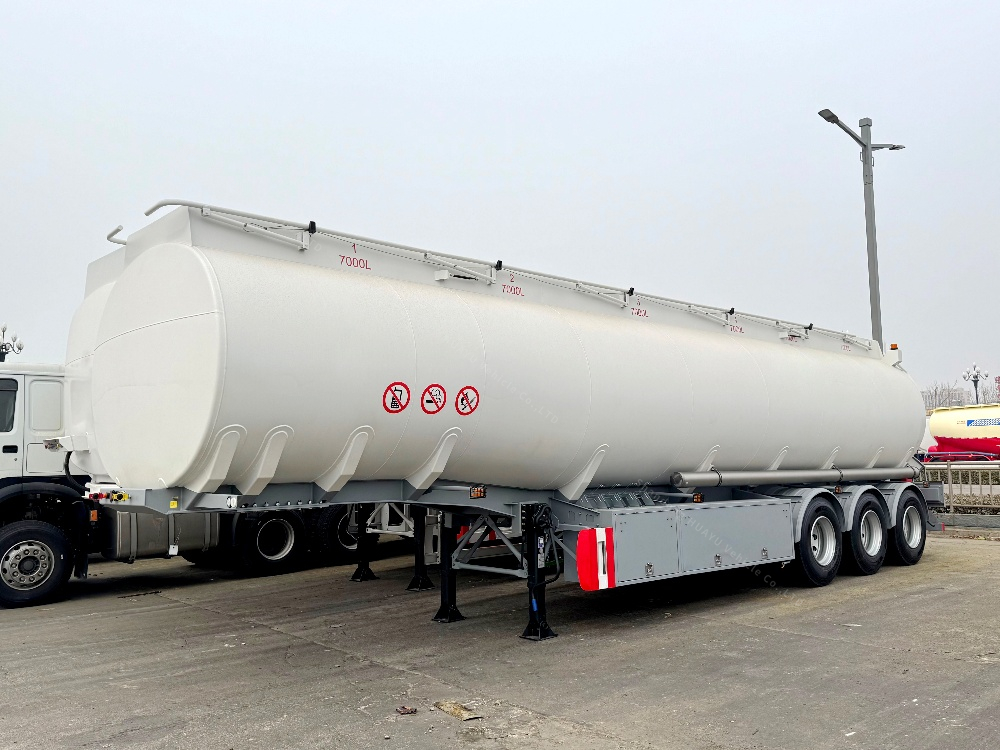
Aluminum is the undisputed industry standard for refined fuels. Its strength-to-weight ratio is unmatched in transport engineering. Dropping dead weight means you can haul more product legally. For example, a standard 3-axle 40,000L fuel tanker for sale relies heavily on lightweight aluminum components to maximize profitability per route. Aluminum resists rust naturally. It is also a non-sparking metal. Eliminating mechanical sparks is a non-negotiable safety rule in highly flammable environments.
Carbon steel handles the extreme heavy-duty jobs. It delivers superior tensile strength and impact resistance. We specify carbon steel for highly abrasive crude oil or aggressive industrial chemicals. These rough liquids can degrade lighter alloys over time. Carbon steel handles high-frequency physical impacts without warping or bending. It does require specialized industrial coatings like zinc-rich primers to fight off rapid oxidation and rust.
Sheet Molding Compound represents the next generation of containment access. This fiberglass-reinforced thermosetting polymer boasts incredible fire resistance. It holds its structural shape even under direct flame exposure. SMC offers a zero-spark safety profile. Furthermore, it has zero scrap metal value. This inherently stops thieves from stealing parts for quick cash resale.
| Material Type | Best Application | Key Engineering Advantage | Maintenance Focus |
|---|---|---|---|
| Aluminum Alloy | Gasoline, Diesel, Aviation Fuel | Lightweight, Non-sparking safety | Check for hinge stress fractures |
| Carbon Steel | Crude Oil, Abrasive Chemicals | Maximum impact resistance | Monitor anti-corrosion coatings |
| SMC Composite | High-theft areas, Corrosives | Fire resistant, Zero scrap value | Inspect for severe UV degradation |
Operator safety drives modern component design. The two-stage opening mechanism acts as a mandatory secondary safety latch. Older designs were inherently dangerous. Unlatching a cover under high residual pressure could send the heavy metal plate flying open violently. The two-stage system kills this kinetic hazard completely. Releasing the primary latch only opens the cover a fraction of an inch. Built-up internal pressure safely bleeds into the atmosphere. The operator can only disengage the secondary catch after the pressure equalizes.
Fuel theft drains fleet profits globally. Modern access points fight back with robust anti-theft designs. Integrated locking bars span the cover diameter. Heavy-duty padlocks or proprietary key systems secure them tightly. Base plates bolt to the tank shell using specialized tamper-resistant hardware. Technicians need unique tools to remove them. This secures the primary access point and maintains a strict chain of custody over the payload.
Mechanical latches mean nothing without a proper elastomer gasket. This is the physical barrier against liquid and vapor leaks. Standard diesel and gasoline loads use Nitrile Buna-N gaskets. They offer excellent oil resistance for daily use. Aviation fuels or harsh chemical compounds demand premium materials. Viton fluoropolymer or Teflon-encapsulated gaskets deliver a long-lasting and leak-proof seal under aggressive chemical exposure.
Physical dimensions balance structural integrity with daily operational practicality. The industry relies heavily on 16-inch and 20-inch diameters. A 20-inch cover is the go-to standard for main compartments. It gives maintenance crews enough physical room to safely enter the tank for confined-space cleaning or welding repairs. We use 16-inch covers on smaller compartments or specialized chemical units. They also work perfectly when complex vapor recovery plumbing eats up valuable top-of-tank real estate.
The internal layout of an oil tanker trailer dictates its top access configuration. Structural baffles divide the vessel into isolated compartments. This stops liquid surge during transit and allows simultaneous transport of different fuel grades. Every isolated compartment needs a dedicated cover. Each must feature independent pressure vents and vapor valves. Engineers calculate the exact centerline spacing during the design phase. This ensures terminal loading arms connect perfectly without physical interference.
Regulatory bodies heavily scrutinize containment vessels. In the United States, DOT 406 specifications set the absolute baseline. A compliant assembly must survive dynamic drop tests. Testers drop a massive steel weight directly onto the assembly to simulate a violent rollover impact. They also run strict hydrostatic pressure tests up to 36 psig. The sealing gaskets and pressure vents must hold completely without structural deformation.
International logistics rely on ADR standards. ADR focuses heavily on strict environmental protection. It demands zero-leakage tolerances and maximum vapor recovery efficiency. ADR-certified covers integrate highly sensitive breathing valves. These capture volatile organic compounds and keep the atmosphere clean during transit.
Equipment failure prevention starts at 5:00 AM in the transport yard. The driver must verify every clamp ring is seated properly. No locking bolts should be loose or missing. They need to check the exposed gasket edges for cracking or chemical swelling. The pressure vent mechanism must remain totally clear of debris, ice, or dried product. A blocked vent is a ticking time bomb for the tank shell.
Internal wear parts have a finite lifespan. Sealing gaskets are simple consumable items. Replace them every 12 to 24 months based on chemical exposure and loading frequency. Mechanical vent springs suffer from metal fatigue over time. If a valve fails an annual pressure flow test, do not attempt to patch it. Replacing the entire manhole cover assembly is the only objective way to restore true structural integrity.
Manhole covers are the unsung heroes of the hazardous transport industry. They are complex engineering devices that dictate vehicle safety and environmental compliance. When sourcing your next fleet addition, demand clear answers about cover materials, vent calibrations, and safety certifications.
Are you ready to upgrade your fleet with equipment engineered for maximum safety and payload efficiency? Partner with a top-tier manufacturer that integrates premium, certified components into every build. Explore the high-performance configurations available at Huayu Vehicle. Whether you need a standard lightweight aluminum setup or a custom heavy-duty build, ensure your next investment delivers uncompromising reliability and profitability.
Sizes vary to handle specific operational needs. The 20-inch cover provides a wide opening. This is essential for allowing technicians safe confined-space entry for interior cleaning or welding. The smaller 16-inch covers are deployed on trailers with restricted top-surface space. Complex vapor recovery piping and rollover protection rails often limit the available installation footprint.
Yes, retrofitting older fleets is a standard engineering practice. The main constraint is the existing base weld ring on the tank shell. If the bolt pattern and diameter match, dropping in a modern aluminum cover with two-stage latches is simple. If the dimensions differ, a certified welder must remove the old collar and install a new base ring.
Aluminum alloy is the undisputed champion for refined fuels like diesel and gasoline. It sheds dead weight, significantly boosting your legal payload capacity. It naturally resists rust and provides a critical non-sparking safety profile. Carbon steel is too heavy and prone to rust for standard refined fuel operations.
Gaskets are consumable items. Replace them every 12 to 24 months. However, you must perform visual inspections monthly. Aggressive chemicals or extreme temperature swings can degrade synthetic rubber rapidly. Swapping a worn gasket is a cheap maintenance task. Cleaning up a catastrophic environmental spill is not.
The Pressure and Vacuum vent regulates the internal atmosphere of the tank. Hot weather makes the fuel expand, causing pressure spikes. The vent opens outward to release this dangerous pressure. During rapid unloading, a vacuum forms inside the compartment. The vent then opens inward, pulling in outside air to prevent the aluminum tank walls from imploding.
Calibration depends on regional regulations and specific tank design. Generally, DOT 406 compliant pressure vents are set to open between 1.0 and 3.0 psig. The vacuum relief typically activates around 6 to 8 ounces per square inch of vacuum. Precise calibration ensures the tank breathes correctly without prematurely venting valuable product vapors.
The cover acts as the structural foundation for the entire vapor recovery system. It houses the specialized transfer valves that connect to terminal loading racks. If the cover gasket leaks, or the breathing vent is out of calibration, fugitive emissions escape. This results in immediate compliance failures, heavy regulatory fines, and hazardous working conditions for terminal operators.


