
Views: 0 Author: Site Editor Publish Time: 2025-08-21 Origin: Site


A fuel tanker trailer plays a crucial role in transporting liquid fuels such as gasoline, diesel, and jet fuel safely and efficiently over long distances. These trailers are essential for industries like petroleum distribution, aviation, and large-scale logistics, ensuring that fuel reaches its destination without spills, contamination, or safety hazards.
Proper maintenance of a fuel tanker trailer not only enhances operational safety but also reduces repair costs, minimizes downtime, and extends the trailer’s overall lifespan. Regular care ensures reliable performance, protects your investment, and helps maintain compliance with strict safety regulations, making it a vital part of any fuel transport operation.
Maintaining a fuel tanker trailer starts with regular inspections and proper maintenance. Routine checks help prevent accidents, reduce costly repairs, and extend the trailer’s lifespan.
Inspect the tank, valves, hoses, and fittings regularly for any signs of wear or damage.
Ensure that all components are functioning correctly and securely attached.
Look for unusual noises, vibrations, or leaks during operation, which may indicate underlying issues.
Examine the tank surface and joints for corrosion, cracks, or rust spots.
Check hoses and connections for leaks or fuel seepage, which can pose serious safety hazards.
Promptly address minor issues before they escalate into major problems.
Schedule periodic inspections by certified technicians to comply with safety regulations.
Professional checks can identify structural weaknesses, valve malfunctions, or compliance gaps that are not easily visible.
Keep detailed maintenance records to ensure adherence to local and international transport standards.
By performing regular inspections and maintenance, operators can ensure that their fuel tanker trailer operates safely, reliably, and efficiently over the long term.
Proper cleaning and corrosion prevention are essential for maintaining the safety and longevity of a fuel tanker trailer. Regular care ensures that fuel quality is preserved and the trailer’s structural integrity remains intact.
Clean the tanker’s interior routinely to remove fuel residues, sludge, and contaminants.
Prevent buildup that can affect fuel quality, clog valves, or cause corrosion over time.
Use appropriate cleaning methods for different fuel types, such as flushing with compatible solvents or pressurized water.
Apply anti-corrosion coatings to tanks, fittings, and other metal components.
Protective coatings reduce the risk of rust and extend the trailer’s service life, especially in humid or salty environments.
Inspect coatings periodically and reapply as needed to maintain effective protection.
Use cleaning agents specifically designed for the type of fuel being transported to avoid chemical reactions or damage.
Avoid harsh chemicals that could degrade seals, hoses, or tank linings.
Proper cleaning protocols ensure safety and maintain compliance with industry standards.
By implementing regular cleaning and corrosion prevention practices, operators can keep their fuel tanker trailer in optimal condition, ensuring safe, efficient, and reliable fuel transport.
Correct loading and unloading are critical to the safe and efficient operation of a fuel tanker trailer. Following proper procedures not only protects the equipment but also prevents accidents and fuel loss.
Never fill the tanker beyond its recommended capacity to reduce stress on the tank and valves.
Overfilling increases the risk of spills, leaks, and pressure-related damage during transit.
Proper filling ensures the trailer operates safely and maintains structural integrity over time.
Adhere to standardized loading and unloading protocols to minimize accidents.
Use grounding and bonding techniques to prevent static electricity, especially when handling flammable fuels.
Monitor the flow rate and ensure valves are correctly operated to prevent spills or pressure surges.
Ensure all operators are trained in handling a fuel tanker trailer safely.
Provide guidance on emergency procedures, valve operation, and correct fueling techniques.
Regular training reduces human error, improves efficiency, and enhances overall safety.
By implementing these best practices, fuel transport operations become safer, more efficient, and help maintain the long-term reliability of the fuel tanker trailer.
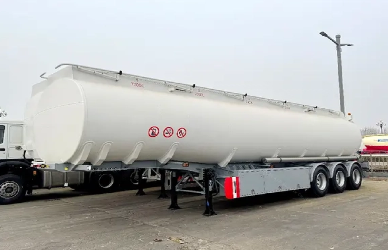
Maintaining the tires and suspension system is essential for the safe operation and longevity of a fuel tanker trailer. Proper care ensures stability, smooth handling, and reduces wear on other components.
Check tire pressure frequently to maintain optimal performance and fuel efficiency.
Inspect tread depth and look for uneven wear, cuts, or punctures that could compromise safety.
Ensure wheel alignment is correct to prevent excessive tire wear and improve handling.
Examine suspension components such as springs, shock absorbers, and bushings for signs of wear or damage.
Listen for unusual noises during transit, which may indicate suspension issues.
Proper suspension care prevents stress on the chassis and reduces the risk of accidents.
Replace worn or damaged tires and suspension components promptly to maintain stability.
Use high-quality, compatible parts recommended for fuel tanker trailers.
Timely maintenance minimizes downtime, protects cargo, and ensures smooth, safe operations.
By focusing on tire and suspension care, operators can improve handling, prevent costly repairs, and ensure the fuel tanker trailer remains reliable and safe for long-distance fuel transport.
Proper storage and environmental protection are crucial for maintaining the longevity and performance of a fuel tanker trailer. Exposure to harsh conditions can accelerate corrosion, damage coatings, and reduce operational efficiency.
Whenever possible, store the fuel tanker trailer in a covered area or garage to minimize exposure to rain, snow, and wind.
Indoor storage helps prevent rust formation, paint deterioration, and damage to valves and fittings.
Avoid prolonged exposure to direct sunlight, which can degrade rubber seals, hoses, and tank coatings.
Protect the trailer from heavy rain, snow, or frost to reduce the risk of corrosion and water ingress.
Consider relocating trailers during extreme seasonal conditions to preserve structural integrity.
Apply protective covers or tarpaulins when outdoor storage is unavoidable.
Use UV-resistant coatings and anti-corrosion treatments on tanks and metal components to extend the trailer’s service life.
Regularly inspect and reapply protective layers as needed to maintain effectiveness.
By taking these storage and environmental precautions, operators can significantly prolong the lifespan of their fuel tanker trailer, maintain safety, and ensure reliable performance over time.
Selecting a reliable manufacturer and quality spare parts is essential for the safety and longevity of a fuel tanker trailer. Proper choices reduce downtime and ensure efficient operations.
Choose manufacturers with a proven track record in producing fuel tanker trailers.
Check certifications, reputation, and customer feedback for reliability.
Reputable manufacturers often offer customization to meet specific needs.
Use OEM or certified parts for repairs and replacements.
High-quality parts maintain safety features and performance.
Avoid low-quality alternatives that may compromise the trailer or violate regulations.
Ensure the manufacturer provides operator and maintenance training.
Access to technical support helps resolve issues quickly.
Proper guidance keeps your fuel tanker trailer safe, compliant, and efficient.
Choosing the right manufacturer and parts ensures a reliable, long-lasting fuel tanker trailer for safe fuel transport.
Proper maintenance is essential to extend the lifespan of your fuel tanker trailer. By regularly inspecting tanks, valves, hoses, tires, and suspension, cleaning interiors, preventing corrosion, following safe loading practices, and storing the trailer under suitable environmental conditions, operators can ensure reliable and safe performance.
The benefits of proactive maintenance are clear: improved safety, higher operational efficiency, and significant long-term cost savings. A well-maintained fuel tanker trailer not only protects cargo and personnel but also maximizes your investment over time.
To achieve the best results, partner with a trusted manufacturer like Shandong HUAYU Vehicle Co., Ltd., which offers high-quality fuel tanker trailers, certified spare parts, and professional technical support. Their solutions help you maintain safety standards, ensure compliance, and keep your fuel transport operations running smoothly.


