
Views: 0 Author: Site Editor Publish Time: 2025-07-21 Origin: Site


Looking for the perfect trailer to transport your livestock safely? Choosing the right fence cargo trailer is crucial for their comfort and security. In this post, we’ll discuss the key features to look for, such as axle configurations, suspension systems, and materials. This guide will help you make an informed decision when purchasing your next livestock trailer.
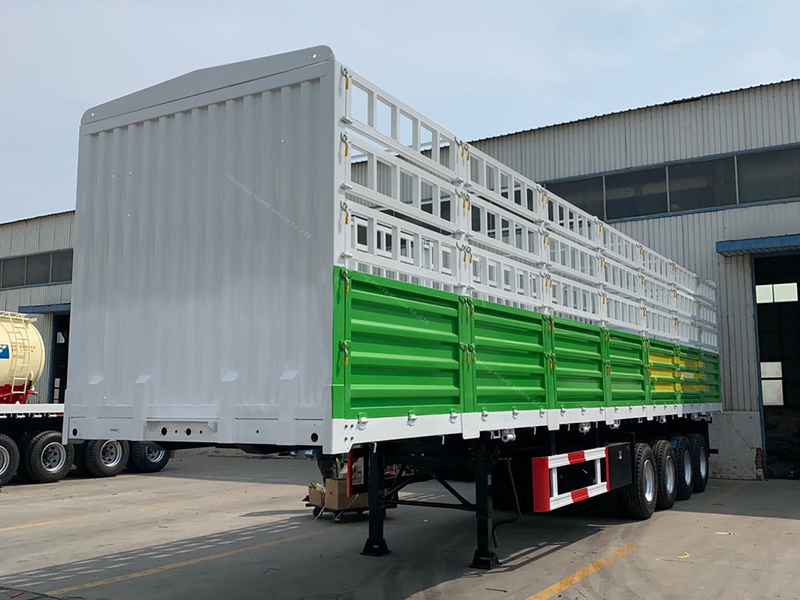
A fence cargo trailer is a specialized vehicle designed to transport livestock securely. These trailers feature high sidewalls and fences, providing ample space and protection for animals during transportation. Unlike flatbed trailers, a fence cargo trailer is built to keep livestock safely contained, reducing the risk of injury during transit.
What sets these trailers apart is their durable structure. Typically, they are made from high-strength steel, ensuring the trailer can handle heavy loads and withstand harsh conditions. The sidewalls are designed to prevent livestock from falling or jumping out during the journey, which is especially important for animals like cattle, pigs, or sheep.
Livestock owners often prefer fence cargo trailers over other types of trailers for several key reasons:
● Security and Safety: The higher sidewalls and fences help keep livestock secure, preventing escape and reducing injury risks.
● Stability: These trailers provide a stable environment for animals, making them ideal for long-distance travel.
The solid, high sidewalls ensure livestock are confined safely, while the flexible design allows easy loading and unloading. It’s these features that make fence cargo trailers a must-have for those transporting livestock regularly.
● Containment: The higher sidewalls ensure livestock stay securely inside, preventing escape.
● Protection: The fences offer protection from external factors like weather or rough road conditions, keeping animals comfortable.
● Customizable Heights: Many trailers offer customizable fence heights, making them adaptable to different types of livestock.
Overall, these features make fence cargo trailers the best choice for safely transporting animals over long distances, providing both comfort and security for the livestock and peace of mind for the owner.
The axle configuration plays a crucial role in supporting the weight and number of livestock being transported. Trailers can come with different axle setups, such as 3-axle and 4-axle designs, each designed for different load requirements.
● 3-Axle Trailers: These typically handle up to 60 tons of cargo, making them suitable for smaller loads or fewer livestock.
● 4-Axle Trailers: These are built to carry heavier loads, ranging from 80 to 100 tons, perfect for transporting larger quantities of livestock.
Some competitors also offer 5-axle trailers for even heavier loads, though they are less common in the market. The additional axles help distribute weight more evenly, ensuring smoother transportation over rough roads.
The suspension system is critical to ensuring a smooth ride, especially when transporting livestock. There are two main types of suspension systems used in fence cargo trailers:
● Mechanical Suspension: Featuring leaf springs, this system is cost-effective and provides solid shock absorption. It works well for shorter trips on relatively smooth roads, keeping costs low.
● Air Suspension: This system offers a smoother, more cushioned ride. It adjusts based on the weight and road conditions, making it ideal for long-distance travel. Air suspensions are beneficial for reducing stress on the livestock, offering more comfort and stability.
Competitors focusing on air suspension systems may advertise improved stability and durability, especially for long-haul trips.
The structure of the fence cargo trailer is essential for ensuring it can handle the weight of the livestock while enduring the vibrations and stresses of transportation.
● High-Strength Steel: Most trailers are made from Q345B carbon steel, a material known for its durability. This steel ensures that the trailer can withstand heavy loads and harsh conditions over time.
● Frame Design: The frame is typically constructed in an I-type or H-type structure, both of which provide added strength and stability to the trailer. This structural design is crucial for maintaining the trailer’s integrity while on the road.
Sidewalls and fences are also reinforced. Typically, sidewalls are at least 1.5 mm thick, offering additional protection and security for livestock during transit.
The height and design of the fences are vital for the security and comfort of the livestock being transported.
● Standard Fence Height: Most fence cargo trailers feature side fences with a standard height of around 1.6 meters. This height is sufficient for containing most types of livestock, such as cattle, sheep, or pigs, preventing them from escaping during transit.
● Customizable Fences: Some models offer removable or adjustable fences, allowing for easier loading and unloading of livestock. This flexibility is particularly useful when transporting different types of animals with varying space needs.
The dimensions of the fence cargo trailer determine how much space is available for livestock.
● Standard Dimensions: A typical fence cargo trailer measures between 12.5 to 14 meters in length, 2.5 meters in width, and 3 to 3.8 meters in height. These dimensions provide a comfortable space for livestock to move around during transport.
● Customizable Sizes: Depending on the specific needs, customers can choose trailers with larger or smaller dimensions. For example, a typical cargo box size might be 12300x2300x(800 + 600 + 600) mm, offering flexibility based on the number and size of livestock.
Customizable options allow owners to adapt the trailer for different types of livestock or varying transport requirements.
When purchasing a fence cargo trailer, several accessories can make transportation more efficient and secure for both livestock and the driver:
● Container Locks: These are often included to prevent theft or shifting cargo when the trailer is also used for transporting containers alongside livestock.
● Toolboxes: Handy for storing tools and equipment needed during transport, making the trailer more functional.
● Partitions: Some trailers offer additional partitions that allow better management of livestock, ensuring they are securely divided for the journey.
Certain models may even come with ventilation systems, helping improve airflow inside the trailer, which is crucial for the livestock's comfort. These systems can reduce the buildup of heat and moisture during long journeys, ensuring a more pleasant experience for the animals.
Choosing the right tire for your fence cargo trailer is essential for ensuring smooth, safe transportation:
● Tire Types: Depending on the terrain, you'll need to select the correct tire type. Radial tires are ideal for smoother roads, while bias ply tires are better suited for rougher terrains.
● Tire Customization: Many trailer brands offer customization options, allowing you to select tires that best suit the load capacity and type of road you expect to encounter. This can significantly improve the trailer's overall performance, safety, and lifespan.
Efficient loading and unloading are key to saving time and reducing stress for the livestock:
● Removable Fences: Some trailers come with removable fences, making it easier to load and unload animals, especially larger livestock like cattle.
● Ramp Options: A trailer with ramps simplifies the process of getting livestock into and out of the cargo space. This feature is particularly helpful for animals with limited mobility or when working in areas with low clearance.
Additionally, large side openings can make it easier to access livestock from multiple angles. These openings give the driver and staff more flexibility, reducing the time spent on loading or unloading.
When transporting livestock, ensuring their safety is of utmost importance. A fence cargo trailer is designed to provide secure containment, but there are additional safety features to look for:
● Reinforced Sidewalls: Strong sidewalls are essential to prevent livestock from escaping during transport. They also protect animals from external hazards, such as road debris.
● Secure Fencing: The fence should be sturdy and designed to withstand the pressure of larger animals. Look for trailers with secure fencing that won't shift or bend during travel.
● Locking Systems: Having effective locking systems is crucial for keeping both livestock and any accessories safe. Ensure that the trailer has robust locks to secure gates or sidewalls.
Additionally, some fence cargo trailers come equipped with live video monitoring systems. These systems allow the driver to monitor the livestock’s condition and movements in real time. This enhances cargo security, allowing quick action if needed to ensure the animals' safety.
When buying a fence cargo trailer, it’s important to ensure it complies with legal and regulatory requirements:
● Weight Limits: Livestock transport is subject to weight restrictions. Overloading a trailer can not only damage the vehicle but also pose a risk to the animals. Ensure the trailer’s load capacity meets your needs and complies with local laws.
● Trailer Specifications: Regulations also affect the dimensions of the trailer. Be sure the trailer meets legal requirements for height, width, and length in your area to avoid fines or transport restrictions.
It’s essential to check for compliance with local regulations regarding livestock transport. This includes ensuring the trailer’s size and weight adhere to state or country-specific guidelines for safe and legal transport.
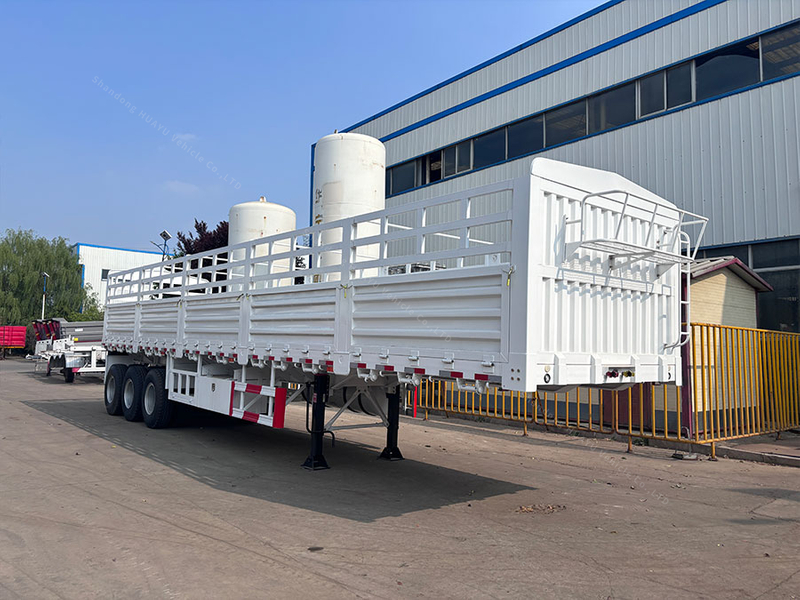
The type of livestock you transport plays a major role in selecting the right fence cargo trailer. Different animals have unique space and comfort requirements:
● Cattle: These larger animals need more space. A higher sidewall and larger cargo area are essential for keeping them secure and comfortable.
● Sheep: While they are smaller, sheep still require adequate space and a strong, secure fence to prevent them from escaping.
● Pigs: Pigs can be more active and may require adjustable partitions or customizable fence heights to prevent overcrowding and ensure comfort.
Larger animals like cattle often need wider dimensions and stronger sidewalls to prevent any damage or discomfort during transport.
When choosing a fence cargo trailer, balancing your budget and the features you need is crucial:
● Air Suspension: Air suspension systems offer a smoother ride, which is especially beneficial for long-distance travel. However, they can increase the price of the trailer.
● Higher Load Capacity: Trailers with larger load capacities often cost more but can carry more livestock, saving money in the long term if transporting larger herds.
While opting for higher-end features such as air suspension might raise the initial cost, they can significantly improve the welfare of the livestock and extend the trailer’s durability. The investment can be worthwhile for ensuring a smoother, safer transport experience.
When purchasing a fence cargo trailer, it’s important to choose a reputable brand known for producing high-quality, durable trailers:
● Reputable Brands: Select a brand that has a proven track record of quality and customer satisfaction. Well-established brands often offer trailers made from high-strength materials and equipped with advanced safety features.
● Warranty and After-Sales Services: Ensure the trailer comes with a reliable warranty and solid after-sales service options. A good warranty can protect your investment and ensure any repairs or issues are dealt with promptly. Many brands also offer excellent customer support, which is helpful if you encounter problems down the line.
Choosing the right brand and understanding the warranty options will ensure your trailer serves you well for years to come.
Choosing the right fence cargo trailer is essential for safe and efficient livestock transport. Consider factors like axle configuration, suspension systems, and trailer dimensions. Make sure the trailer meets the needs of your livestock type, budget, and legal requirements.
For personalized advice, contact a supplier or visit a dealer to find the best options tailored to your transport needs.
A: Air suspension offers a smoother ride, especially for long-distance travel, reducing stress on livestock. Mechanical suspension (leaf springs) is cost-effective and provides reliable shock absorption for shorter trips.
A: Assess the weight of your livestock and ensure the trailer’s load capacity aligns. For smaller loads, a 3-axle trailer (up to 60 tons) may suffice. Larger loads may require a 4-axle trailer (up to 100 tons).
A: Yes, livestock trailers must adhere to local regulations on dimensions and weight limits. Ensure the trailer’s load capacity and dimensions comply with transport laws to avoid fines.
A: Yes, many trailers offer customization options for fence height, cargo space, and interior fittings like partitions or ventilation systems to suit different livestock needs.
A: Look for reinforced sidewalls, secure fencing, and locking systems. Some trailers include live video monitoring for enhanced security and livestock welfare during transit.


