
Views: 0 Author: Site Editor Publish Time: 2025-07-28 Origin: Site


Are you struggling to choose the right fence cargo trailer for your farm or construction project? The size of your trailer can make all the difference in how efficiently you transport materials. In this post, we’ll explore what fence cargo trailers are, their popular uses, and why size is crucial for ensuring optimal capacity, stability, and maneuverability.
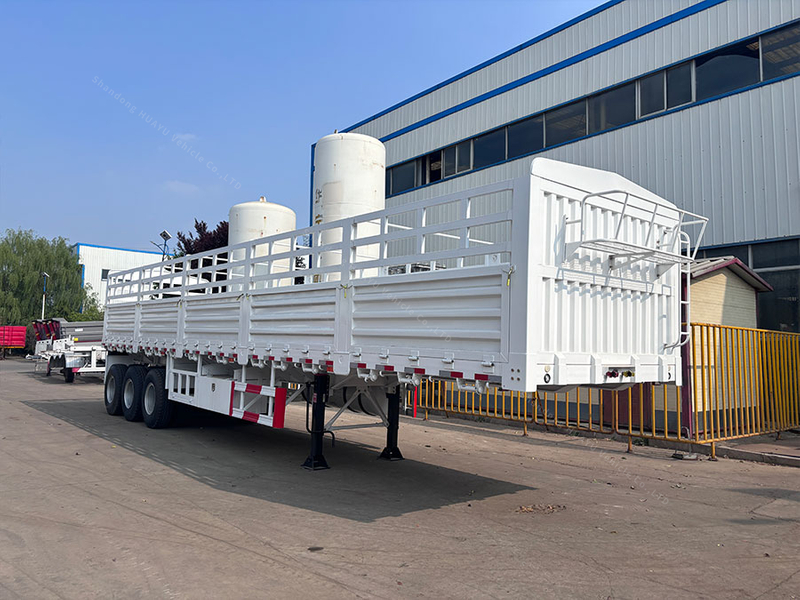
When selecting a fence cargo trailer, several factors play a crucial role in making the right choice. Understanding your needs, such as load capacity, trailer length, and axle configurations, can help you select the best option for your farm or construction site.
The load capacity is one of the most important considerations. Choosing the correct size trailer ensures that you can safely transport your materials without overloading.
● 3-Axle Trailers: Typically handle 40-60 tons of weight, ideal for smaller machinery, sand, gravel, and farm produce.
● 4-Axle Trailers: Can carry up to 80 tons, perfect for larger construction equipment or heavy farming machinery.
When picking your trailer, consider the types of materials you'll be transporting. Smaller loads like construction materials and medium-sized machinery will likely require a 3-axle trailer. Heavier, large-scale farming or construction equipment will need a 4-axle trailer.
The length of your trailer affects both cargo capacity and maneuverability.
● Typical Lengths: Most fence cargo trailers range from 12 to 16 meters.
● Choosing the Right Size: If you need to transport medium to large cargo, opt for a 16-meter trailer. For lighter loads or tight spaces, a shorter trailer might be more suitable.
● Longer Trailers: Offer higher capacity, but may be harder to maneuver in tight spots.
● Shorter Trailers: Easier to handle in narrow roads or sites but with lower capacity.
Balancing between these factors is key to picking the right trailer for your space and load.
Larger trailers are great for carrying heavy or large loads but can be challenging to maneuver in cramped spaces like construction sites or narrow farm roads. Consider your daily operating environment: if you often deal with tight corners or restricted space, a smaller trailer might be a better fit.
The axle configuration impacts both the trailer’s stability and the distribution of weight during transport.
● 3-Axle Trailers: Provide good stability for most general uses and are ideal for smaller, medium-weight loads.
● 4-Axle Trailers: Better for heavy-duty transport as they distribute weight more evenly, making it easier to handle larger, heavier loads.
● Stability: More axles improve stability, especially when carrying heavy loads.
● Weight Distribution: With 4 axles, weight is more evenly spread, reducing strain on each axle and improving safety.
Selecting the right axle configuration ensures your trailer can handle your specific load and environmental conditions effectively.
Choosing the right fence cargo trailer for your needs depends heavily on the type of cargo you plan to transport. Whether it’s small machinery or heavy construction equipment, the right trailer size will make a big difference in efficiency.
3-axle trailers are ideal for transporting lighter loads that don’t require the massive capacity of larger trailers.
● Farm Produce: These trailers are perfect for hauling fruits, vegetables, or other agricultural products from the farm to market.
● Small Machinery: Moving tools, compact machines, and equipment is easy with a 3-axle trailer.
● Building Materials: They’re suitable for transporting bricks, tiles, and other lightweight construction materials.
● Bulk Cargo: 3-axle trailers work well for sand, gravel, and other bulk materials often used in smaller-scale construction or farming.
These trailers are efficient for everyday use, especially for farms with smaller operations or general construction jobs. Their smaller size makes them easy to maneuver, even in tighter spaces.
When it comes to larger, heavier loads, 4-axle trailers are the way to go. These trailers are built to handle more weight and offer more stability during transportation.
● Heavy Construction Equipment: Items like excavators, bulldozers, or cranes require a 4-axle trailer to ensure safe transport.
● Large-Scale Farming Machinery: Tractors, harvesters, and plows, which can be heavy, fit well on 4-axle trailers.
● Stability During Transport: For industries that need to move large, weighty items regularly, a 4-axle trailer offers the stability and capacity needed.
4-axle trailers are perfect for industries and operations dealing with heavy-duty materials, large construction projects, and large-scale farming operations. They’re built for long-distance hauling, making them a solid choice for projects like roadworks, commercial farming, or infrastructure construction.
● Construction and Large-Scale Operations: Whether it’s a massive commercial building project or infrastructure development, a 4-axle trailer will help get the job done safely and efficiently.
When selecting a fence cargo trailer, the design features play a significant role in determining how well the trailer performs for your needs. Whether you're transporting heavy machinery or farm produce, these features will impact both efficiency and safety.
The material used for the fence can affect the durability, weight, and fuel efficiency of your trailer.
● Steel Fences: Steel is the go-to material for heavy-duty cargo. It offers excellent strength and durability, making it perfect for transporting large, heavy items like construction equipment and large-scale farming machinery. Steel fences are built to withstand harsh conditions and high stress.
● Aluminum Fences: Aluminum, on the other hand, is lightweight, which can significantly improve fuel efficiency. It’s great for lighter loads like farm produce or smaller equipment. While it doesn’t have the same strength as steel, aluminum fences are still durable enough for many general hauling needs.
When deciding between steel and aluminum, think about the balance between strength and weight. If you’re hauling heavy machinery or construction materials, steel is likely the best option. But if you need a lighter, more fuel-efficient trailer for smaller cargo, aluminum may be the better choice.
Another important feature is the ability to adjust the fence height.
● Flexibility of Adjustable Fences: These fences can be modified to accommodate different types of cargo. If you're transporting materials of various sizes, having an adjustable fence allows you to adapt to your needs quickly.
The ability to adjust your fence is invaluable because it allows you to optimize the trailer for different sizes of cargo. This customization makes your trailer much more versatile, saving you the cost of purchasing multiple trailers for different jobs.
The suspension system you choose has a huge impact on how your cargo is handled during transport.
● Air Suspension vs Leaf Spring Suspension: Air suspension is generally preferred for its ability to absorb shocks better than traditional leaf springs. This means a smoother ride for your cargo, especially on rough or uneven terrain.
● Better Shock Absorption: Air suspension helps cushion your cargo, especially high-value equipment like farming tools or machinery. It keeps the load stable and protected, reducing the chance of damage.
● Improved Ride Quality: It also ensures a smoother ride, making long-haul trips more comfortable for both the trailer and the cargo.
Choosing the right suspension system will ensure your cargo arrives in good condition and that the trailer performs optimally.
Choosing the right fence cargo trailer size isn't just about fitting your cargo. It affects how efficiently you can work and can even save you money in the long run. Here's how the correct trailer size benefits your operations.
The size of your trailer can make a big difference in how easily you navigate job sites or farms.
● Turning Radius: A smaller trailer is easier to turn, especially on narrow farm roads or tight construction sites. If you work in areas with limited space, a shorter trailer will make your job easier.
● Parking: Choosing the right length helps you park efficiently, especially in tight spaces. A trailer that’s too long can be hard to maneuver in small areas, which could waste valuable time.
● For tight spaces, a shorter trailer is usually better.
● If you have larger storage or parking areas, a longer trailer might help maximize load capacity.
A well-sized trailer ensures you're using your space effectively, reducing the number of trips needed for transportation.
● Maximizing Loading and Unloading: Picking the right trailer length ensures you can load and unload efficiently. If your trailer is too long or short for your cargo, you might waste time adjusting the load or making additional trips.
Choosing the right trailer size can save money in various ways.
● Fuel Consumption: Larger trailers require more fuel to transport heavy loads. But if you choose a trailer that’s too small, you may need to make multiple trips. The right size balances both fuel efficiency and load capacity.
● Transportation Expenses: A trailer that fits your cargo perfectly reduces the need for additional equipment or extra trips, helping keep transportation costs down.
Investing in the right fence cargo trailer size might have a higher upfront cost, but in the long run, it saves you money on maintenance and fuel. Choose a trailer that suits different types of loads, so you won't need to buy a new one for every new task.
A well-sized, quality trailer can save you on maintenance costs.
● Durability: The right size ensures less strain on the trailer’s components, such as tires and axles, leading to fewer repairs.
● Long-Term Maintenance: A trailer that suits your needs will last longer, reducing the frequency and cost of repairs or replacements.
Choosing the right fence cargo trailer size offers both immediate and long-term benefits, making your operations smoother and more cost-effective.
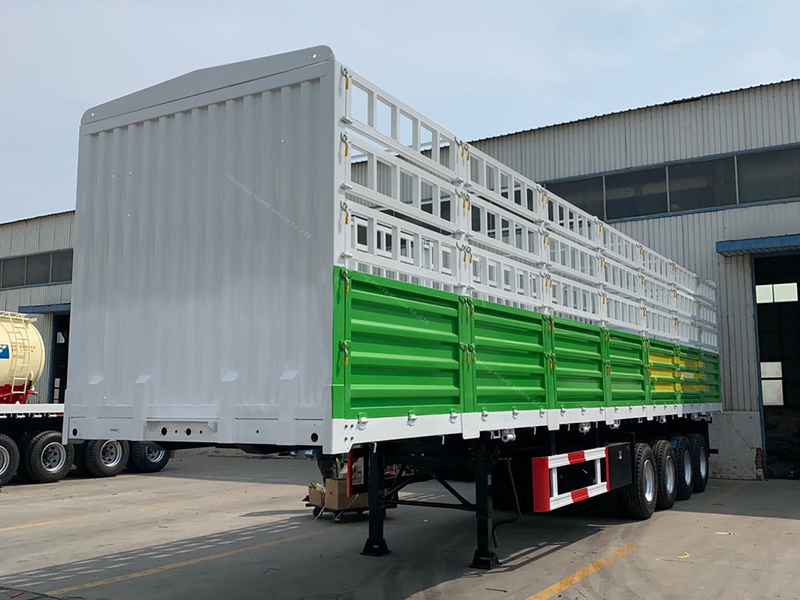
The market for fence cargo trailers has evolved significantly in recent years. With innovations in materials, technology, and design, the competition is tougher than ever. Here’s what to look for when choosing a high-quality fence cargo trailer, and how new trends are shaping the market.
When shopping for a fence cargo trailer, there are several key features to consider.
● Built-in Weighing Systems: Some advanced trailers come with integrated weighing systems, allowing you to easily monitor your load. This is especially useful for industries where weight limits are strictly regulated.
● Advanced Locking Mechanisms: For extra security, look for trailers that feature advanced locking systems. These systems ensure that your cargo stays safe during transport, even in challenging conditions.
● Lightweight Composite Materials: Some trailers are built using composite materials, which can reduce weight while maintaining strength. These materials can improve fuel efficiency, reducing your transportation costs over time.
● Traditional Models: Traditional trailers, which are typically made from steel, are often more affordable upfront but may cost more in fuel and maintenance.
● Advanced Models: More advanced trailers with features like built-in weighing systems, aluminum fences, and air suspension systems usually have a higher price tag. However, they offer long-term benefits in terms of fuel efficiency, durability, and overall functionality.
Innovation in trailer materials and technology is pushing the market forward. Here are some of the key trends driving changes in the industry:
● Innovative Materials: Many manufacturers are adopting lightweight composite materials or aluminum, which not only reduce weight but also enhance the trailer's longevity and resistance to corrosion.
● Technological Advancements: The rise of digital technologies, such as built-in weighing systems and GPS tracking, has improved load management and route planning. These features are making trailers smarter, more efficient, and easier to operate.
● Functional Design Improvements: New trailer designs focus on maximizing cargo space while maintaining stability and ease of use. The emphasis is on making trailers versatile enough to serve a range of industries from agriculture to heavy construction.
In response to specific market demands, specialized fence cargo trailers are becoming more popular.
● Trailers with Advanced Locking Systems: For added security, some trailers feature state-of-the-art locking mechanisms that prevent theft and ensure the safety of valuable cargo.
● Built-in Weighing Systems: These systems allow you to check the weight of your cargo without needing a separate scale, improving load management and reducing the risk of overloading.
As industries evolve, tailored solutions for specific needs are becoming more common.
● Agricultural Needs: Some trailers are customized for farming, offering features like adjustable fences to fit various crops or specialized compartments for different types of produce.
● Construction Needs: For construction, trailers might come equipped with reinforced sides, extra stability, or specific compartments to carry heavy equipment like excavators and cranes.
In the competitive fence cargo trailer market, staying up-to-date with these trends and features is key to finding the right trailer for your needs.
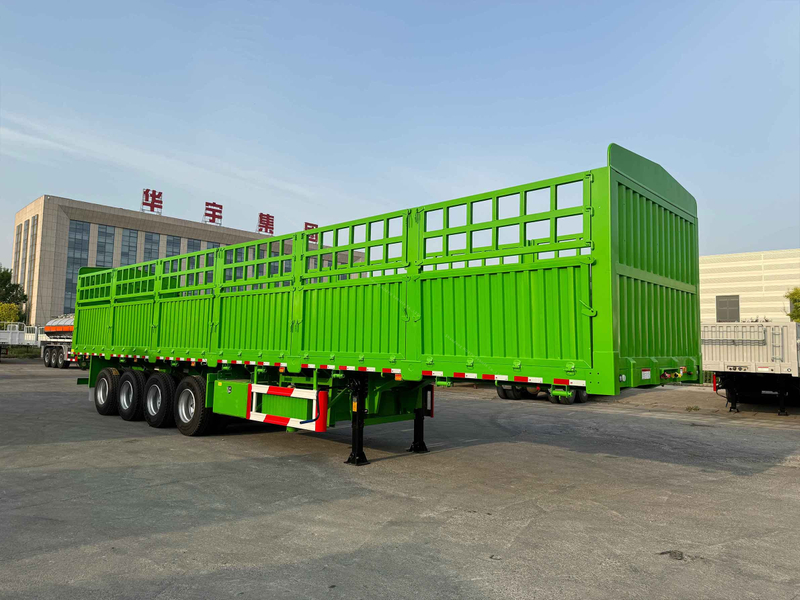
Selecting the right fence cargo trailer for your farm or construction site can be tricky. However, by carefully assessing your specific needs and working closely with suppliers, you can make an informed decision that saves you time and money in the long run.
Before purchasing a fence cargo trailer, consider the following:
● Identifying the Types of Cargo You Transport Most Often: Think about what you usually carry. Is it small machinery, bulk materials, or large farming equipment? Identifying your most common cargo helps narrow down your trailer size and load capacity needs.
● Matching Load Capacity and Trailer Size to Your Operations: Once you know what you need to transport, make sure the trailer can handle the load. A 3-axle trailer is ideal for lighter loads, while a 4-axle trailer is necessary for heavier equipment.
● Considering Future Growth and Expansion Needs: Your business may grow over time. Consider how your operations might evolve and whether you’ll need a larger trailer for future projects or new types of cargo.
Now, think about the type of work environment you have:
● General-Use vs. Specific Application: If you’re hauling different kinds of materials, a general-use trailer might be best. However, if your work requires specialized equipment or cargo (like fragile machinery), a customized trailer may be more suitable. It’s essential to know whether you need flexibility or specific features for certain tasks.
Choosing the right trailer can be challenging, but working closely with a supplier can help you make the best decision.
● How to Work with Trailer Suppliers: A good supplier will guide you through the options and match your needs with the right trailer. Share the details of your work, the types of cargo, and your budget to help them understand what you need.
● What Questions to Ask:
○ What load capacities do the trailers offer?
○ Are there customizable options for my specific needs?
○ How long will the trailer last, and what maintenance will it require?
○ Can I get a trailer suited for my future expansion?
Working with an experienced supplier ensures you get a quality trailer that meets your needs.
● Why It's Important: A reliable supplier understands the market and can recommend the best options. They’ll also provide after-sales support, helping you maintain your trailer and maximize its lifespan. Make sure to choose a supplier with a good track record and positive customer reviews to ensure a smooth purchasing experience.
By considering these factors, you'll be able to choose the perfect fence cargo trailer that suits both your current and future needs.
Choosing the right fence cargo trailer size is crucial for your farm or construction needs. It affects load capacity, maneuverability, and efficiency. Be sure to match the trailer size with your cargo type and consider future growth. Always consult reliable suppliers to ensure the best choice for your operations.
A: A 3-axle trailer carries 40-60 tons and is ideal for lighter loads, while a 4-axle trailer handles up to 80 tons, offering more stability for heavier cargo.
A: 3-axle trailers carry 40-60 tons, suitable for medium loads, while 4-axle trailers can carry up to 80 tons, designed for heavy-duty equipment.
A: Aluminum fences are lighter and improve fuel efficiency, but steel fences are stronger, ideal for heavy-duty loads.
A: Yes, 4-axle trailers are perfect for heavy construction equipment like excavators, providing stability and higher load capacity.
A: Air suspension provides better shock absorption, reducing cargo damage and improving stability, especially for valuable or sensitive equipment.


