
Views: 0 Author: Site Editor Publish Time: 2026-07-30 Origin: Site


Transporting heavy, high-density materials poses severe financial and legal liabilities when load shifts occur. Cargo damage, DOT compliance failures, and catastrophic accidents remain constant threats on the highway. Fleet operators face unique lateral and forward-shifting risks when moving low-friction loads like steel pipes, coils, and palletized masonry. Traditional flatbeds require exhaustive strapping and tarping routines that eat up hours of driver time. Standard dry vans lack the necessary structural deck reinforcement and side-loading flexibility required for heavy industrial goods.
You need a reliable middle-ground solution for heavy transport. A Side Wall Trailer bridges this gap effectively. It provides perimeter containment while allowing easy side-loading access for forklifts. However, success depends entirely on implementing strict, material-specific securement protocols. You cannot rely solely on the trailer's aluminum or steel walls for load bearing. Proper independent tie-downs anchored directly to the deck are mandatory for safety and federal compliance.
A successful heavy-haul transport operation hinges on specific performance criteria. You need zero load shift during transit. Rapid loading and unloading are essential for job site efficiency. Regulatory compliance must be maintained across all state lines. Above all, you must protect the physical integrity of the cargo and the safety of the motoring public. Achieving these goals requires the right equipment and rigorous operational standards.
Compared to standard flatbeds and step-decks, walled trailers offer distinct operational advantages. The fixed or removable vertical walls provide a secondary physical barrier. This barrier contains loose items, broken pallet debris, and shifting dunnage. It makes the unit a highly versatile building materials trailer. You can haul palletized cinder blocks alongside loose lumber safely without worrying about minor lateral shifts spilling onto the highway.
Factory-engineered drop-sides differ vastly from DIY stake-pocket walls. Custom-built wood or metal walls on utility trailers often lack certified load ratings and fail under stress. Factory-manufactured side wall semi trailer systems undergo rigorous mechanical stress testing. They feature reinforced steel hinges and high-tensile locking mechanisms. This ensures legal compliance and long-term durability under heavy commercial use.
Operational advantages on the ground are significant. Tarping time drops dramatically because the walls provide a uniform shape to drape over. You can easily haul mixed freight on a single run. Drop-sides allow forklifts to load heavy pallets directly from the side. This eliminates the need for dock-level loading, speeding up job site deliveries and keeping drivers moving.
Always evaluate equipment readiness before loading any heavy materials. Inspect the structural integrity of the trailer thoroughly. Check the wall hinges for hairline cracks or excessive wear from previous loads. Test all locking mechanisms to ensure they engage fully without forcing them. Inspect the deck condition for wood rot, metal fatigue, or missing screws. Verify the stamped weight ratings of all anchor points and rub rails.
Securing the walls themselves is a critical pre-loading step. Double-check all wall latches and corner post locks. Insert safety pins properly and ensure they are seated deep. Removable panels must not detach or rattle loose. Lateral cargo pressure and constant road vibrations will exploit any loose connection, leading to panel failure at highway speeds.
Understanding the physics of weight distribution prevents dangerous axle overloads. You must calculate the center of gravity for dense materials like steel coils and I-beams. Distribute weight evenly across the tandem or tridem axles. Never exceed the gross axle weight ratings (GAWR). Poor distribution compromises braking distance, steering control, and tire life.
Dunnage placement plays a critical role in load safety. Hardwood dunnage creates necessary friction between the deck and the cargo. It allows space for forklift tines during unloading. Proper dunnage prevents point-loading, which can punch through or warp the trailer deck.
| Dunnage Material | Friction Coefficient | Best Application | Durability |
|---|---|---|---|
| Rough Sawn Oak | High | Steel plates, heavy machinery | Excellent, resists crushing |
| Pine / Softwood | Medium | Palletized goods, light lumber | Prone to splitting under heavy loads |
| Rubber Friction Mats | Very High | Steel coils, painted metals | Long-lasting if kept clean |
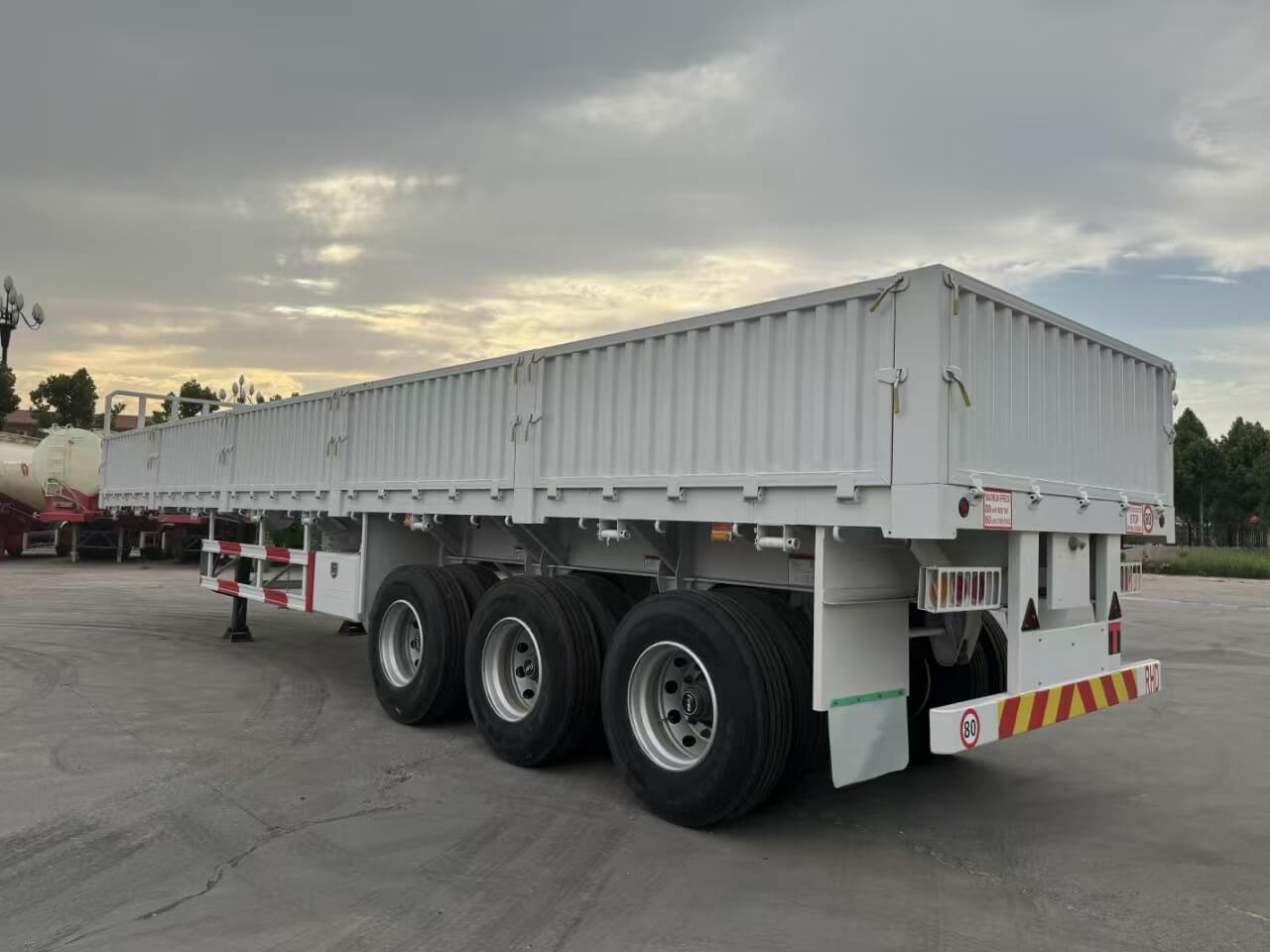
Containment is not the same as securement. You cannot rely on the side walls of a steel transport trailer to hold rolling steel. If pipes shift, they will easily break through standard aluminum or steel drop-sides. Independent securement anchored to the deck is an absolute requirement for every single load.
Implement specialized pipe chocks to prevent lateral rolling. Use belly wrapping techniques with heavy-duty straps. This bundles the pipes together into a single, solid unit that resists independent movement. Apply over-the-top chain tie-downs to pin the entire load firmly to the deck. Ensure chains are tensioned evenly to prevent the bundle from loosening during transit.
Friction management is vital when hauling flat steel. Steel sliding on a wooden or metal deck is highly dangerous and difficult to stop once in motion. Utilize anti-slip friction mats between steel plates and the deck. These rubber mats drastically increase the coefficient of friction, reducing the required tie-down effort and preventing forward shifts during hard braking.
Execute direct tie-down methods using appropriate chains and binders. Calculate the aggregate Working Load Limit (WLL) carefully. The aggregate WLL must equal at least 50% of the total cargo weight. Route chains through stake pockets or certified D-rings. Protect the chains from sharp steel edges using heavy-duty steel edge protectors to prevent chain link shearing.
Unitizing the load prevents individual pieces from shifting and falling. Ensure all pallets are tightly shrink-wrapped or banded with steel strapping before loading. Place them securely on the deck, tight against each other. The walls act as a secondary barrier, but the pallets must hold themselves together structurally.
Edge protection is mandatory when using synthetic straps. Sharp bricks, concrete blocks, or rough lumber edges will slice through webbing under tension in a matter of miles. Use sturdy v-boards or heavy plastic edge protectors. This distributes the strap's pressure evenly across the top of the load and prevents catastrophic strap failure during transit.
You can maximize the utility of a bulk cargo trailer by hauling bagged materials or loose components. The side walls easily contain bags of cement, sand, or gravel. Ensure all gaps between the drop-sides and the deck are sealed if hauling fine materials to prevent loss of product on the highway.
Void management prevents the domino effect during hard braking. Block and brace empty spaces between pallets. Use inflatable dunnage bags or custom-cut lumber to fill gaps. If pallets have room to slide forward, they will gain momentum and snap their tie-downs, leading to a massive load shift.
Choosing the right equipment dictates the safety of your load. You must match the tie-down material to the cargo type. Grade 70, 80, or 100 chains are required for sharp, heavy steel. Four-inch synthetic webbing is better suited for lumber, drywall, and fragile building materials that chains would crush.
| Equipment Type | Best Used For | Key Advantage | Primary Risk |
|---|---|---|---|
| Grade 70+ Transport Chains | Steel plates, I-beams, heavy machinery | High WLL, resists cutting from sharp edges | Heavy to handle, can damage fragile cargo |
| 4-Inch Synthetic Straps | Lumber, palletized bricks, bagged cement | Lightweight, applies even pressure | Easily sliced by sharp edges without protection |
| Ratchet Binders | Tensioning chains on heavy loads | Precise tension control, safe operation | Slower to apply and release |
Tensioning devices require careful handling and respect. Ratchet binders offer precise tension control and are generally safer to operate. Snap binders (lever binders) are faster but carry severe safety risks. The kickback from a snap binder can cause serious injury, including broken jaws or arms, if the load shifts or the lever slips from your grip.
Always assess the rating of your anchor points. Check the rub rails, stake pockets, and recessed D-rings. Never attach a chain to a point that lacks a stamped WLL rating. The tie-down is only as strong as its weakest link, which is often the anchor point itself, not the chain or strap.
Wall-mounted anchor ratings have strict mechanical limits. Mounting accessory tie-downs directly to aluminum or steel side walls is dangerous. Self-tapping screws will fail under load. If you must mount hardware to the walls, use structural through-bolting with steel backing plates to distribute the force across a wider area of the panel.
The wall blowout risk is a fatal flaw in heavy hauling operations. Allowing heavy steel to rest directly against the side walls is a recipe for disaster. Lateral G-forces during cornering will easily shear wall hinges and burst the panels open. The load must be independently secured to the deck to prevent any weight from resting on the drop-sides.
Drivers transitioning from open flatbeds face a learning curve. Common mistakes include over-reliance on walls for cargo containment. Drivers may neglect to inspect wall pins or fail to secure loose sideboards after loading. Comprehensive training on walled trailer physics is essential for new operators to break bad habits.
Regulatory compliance keeps your trucks on the road and out of the impound lot. FMCSA and DOT cargo securement rules are strict and heavily enforced. You must use one tie-down for every 10 feet of cargo, plus two for the first 10 feet. Failing to meet these standards results in immediate out-of-service violations and hefty fines.
Weather and environmental factors complicate securement. Wet decks severely reduce friction. Rain or snow makes steel and wood highly slippery. You must increase your tie-down count in poor weather to compensate for the loss of friction. Tarping moisture-sensitive building materials is necessary, even within walled trailers, to prevent water weight accumulation and product damage.
A: No. DOT regulations state that walls are strictly for containment of loose items. Heavy cargo like steel or large pallets requires independent tie-downs anchored directly to the trailer deck.
A: Typical dimensions range from 1000mm to 1200mm in height. Many models feature removable or drop-down sides to facilitate easy forklift access during loading and unloading.
A: You need a minimum of two tie-downs for the first 10 feet of cargo, and one additional tie-down for every 10 feet thereafter. Belly straps are also required to bundle the pipes securely.
A: It offers distinct advantages by providing lateral containment for loose or palletized goods. It prevents debris from falling off the deck while still maintaining the side-loading capabilities of a flatbed.
A: The mandatory use of hardwood dunnage and rubber friction mats is the best method. These materials significantly increase the coefficient of friction between the smooth steel and the trailer deck.
A: No, it is highly dangerous to use self-tapping screws on thin aluminum panels. Heavy items and D-rings must be through-bolted to the trailer frame or structural uprights using steel backing plates.


