
Views: 0 Author: Site Editor Publish Time: 2026-08-08 Origin: Site


Mismatched freight and equipment create severe operational and financial risks in logistics. Standard transportation assumptions fail in bulk freight operations. Product degradation, safety hazards, and compliance violations carry heavy penalties. You cannot order a trailer based on a vague cargo description. Terms like "agricultural goods" or "industrial chemicals" lack the technical specificity required for procurement or carrier contracting. Buyers frequently face payload inefficiencies, supply chain disruptions, or catastrophic equipment damage due to incomplete cargo profiling.
You need a rigorous data-collection framework. Matching exact physical, chemical, financial, and handling data to trailer specifications is the only reliable method for selecting the correct transport equipment. Every load requires precise calculations regarding density, flowability, and chemical reactivity. By gathering comprehensive cargo data upfront, you eliminate guesswork. You protect product integrity, maximize legal payloads, and ensure strict regulatory compliance from origin to destination.
Density Dictates Capacity: Cargo density and specific gravity must be calculated against legal axle weight limits before evaluating trailer volume.
Chemical Profiling is Non-Negotiable: A comprehensive Safety Data Sheet (SDS) drives the selection of tank materials, internal linings, and required safety valves.
Handling Dictates Trailer Architecture: Flowability, moisture sensitivity, and loading/unloading infrastructure determine whether a pneumatic, liquid, or open-top configuration is required.
Value and Risk Require Telematics: High-value or volatile cargo necessitates specialized insurance, carrier safety vetting, and real-time tracking capabilities.
Versatility vs. Specialization: While specialized tankers are required for liquids and powders, specific solid bulk cargo data may justify the use of adaptable equipment like a side wall or fence cargo semi trailer.
Defining the primary objectives of bulk transport selection sets the foundation for success. You must preserve cargo integrity from the loading facility to the final destination. You must maximize the legal payload per trip to maintain operational efficiency. Supply chain continuity relies on equipment that performs predictably under stress. Strict regulatory compliance prevents costly delays and legal liabilities. Achieving these objectives requires precise alignment between your cargo data and the physical capabilities of the trailer.
Failing to match cargo data to trailer specifications carries steep financial consequences. Incorrect data often leads to rejected loads. Cross-contamination ruins entire batches of food-grade or pharmaceutical products. Corrosive materials cause irreversible structural damage to trailers lacking the proper internal coatings. Improper weight distribution triggers severe Department of Transportation (DOT) fines at weigh stations. You also risk accelerated wear on trailer suspensions and axles when specific gravity calculations are ignored.
Operational downtime multiplies the cost of failure. A trailer unsuited for the cargo's unloading requirements creates massive bottlenecks at the receiving facility. If a pneumatic trailer lacks the correct aeration system for a specific powder, the product bridges or blocks the discharge valves. This requires manual intervention, risking worker safety and delaying subsequent shipments. Accurate cargo profiling eliminates these operational blind spots before the trailer ever arrives at the loading dock.
Liability exposure increases exponentially with inaccurate cargo data. Hazardous materials transported in non-compliant vessels pose severe environmental and public safety risks. Spills or leaks resulting from incompatible trailer materials lead to massive cleanup costs and regulatory sanctions. Insurance claims get denied if the carrier proves the shipper provided incomplete or inaccurate cargo specifications. Precision in data collection directly shields your operation from these catastrophic liabilities.
You must gather highly specific physical and chemical data before evaluating any transport equipment. This data dictates every aspect of the trailer's engineering, from its structural materials to its safety mechanisms.
Cargo density directly dictates trailer cubic capacity. You must understand the formulaic relationship between pounds per cubic foot (lbs/ft³) or kilograms per cubic meter (kg/m³) and the available volume. High-density materials like frac sand hit legal weight limits long before they fill the trailer's physical volume. Conversely, low-density materials like plastic pellets require massive cubic capacity to achieve a profitable payload weight. You must calculate the exact density to select a trailer size that maximizes payload without exceeding gross vehicle weight ratings.
Specific gravity impacts the center of gravity during transport. Heavy liquids or dense powders lower the center of gravity, but they also create intense localized stress on the trailer chassis. This influences suspension choices and the necessity for internal baffles. Baffles prevent liquid surge during transit, which can easily cause a rollover event. You must provide accurate specific gravity data to ensure the trailer manufacturer or carrier specifies the correct structural reinforcements and anti-surge mechanisms.
Bulk Commodity | Average Density (lbs/ft³) | Trailer Volume Implication | Primary Structural Concern |
|---|---|---|---|
Frac Sand | 100 - 105 | Low Cube (500 - 1,000 cu ft) | Axle overloading, localized chassis stress |
Portland Cement | 94 - 100 | Low Cube (1,000 - 1,200 cu ft) | Moisture contamination, bridging in hoppers |
Wheat / Grain | 45 - 50 | Medium Cube (1,500 - 1,800 cu ft) | Aeration requirements, pest control |
Plastic Pellets | 30 - 35 | High Cube (2,000 - 2,800 cu ft) | Volume maximization, static electricity buildup |
A comprehensive Safety Data Sheet (SDS) is mandatory for chemical transport. You must extract critical data points including pH levels, flammability limits, corrosivity, and reactivity profiles. This data dictates the choice of trailer construction materials. Highly corrosive acids require specialized internal protective coatings or rubber linings. Standard aluminum trailers will degrade rapidly if exposed to incompatible chemicals. You must match the chemical profile to the exact metallurgical properties of the tank.
Flammability data drives the selection of safety valves and vapor recovery systems. Volatile liquids require pressure relief valves calibrated to specific PSI thresholds. Reactivity data determines if the cargo must be isolated from certain metals or atmospheric moisture. Stainless steel offers broad chemical resistance, but carbon steel suffices for less aggressive industrial fluids. The SDS eliminates guesswork, ensuring the physical vessel can safely contain the chemical under extreme transport conditions.
Dry bulk materials behave differently based on their flowability. You must determine the material's angle of repose. This is the steepest angle at which a sloping surface formed of the loose material remains stable. Powders with a high angle of repose require steep hopper slopes and aggressive aeration systems to discharge properly. Particle size dictates whether the material needs vibration pads or fluidizer disks to prevent bridging and rat-holing inside the hopper.
Liquid bulk transport depends heavily on viscosity data. Viscosity changes drastically with ambient temperature fluctuations. Heavy oils or syrups become thick and unpumpable in cold weather. This data impacts the need for heat-retaining trailer designs. You may require insulated jacketing or active in-transit heating systems like steam coils to maintain the liquid's flowability. Moisture sensitivity in dry bulk dictates the need for hermetically sealed hatches and specialized desiccant breathers to prevent clumping or chemical degradation.
You must assess the financial value of the commodity. High-value cargo requires specialized insurance coverage limits. Standard carrier liability policies often fall short of covering specialized chemicals or pharmaceutical-grade bulk. You must determine the required security features, such as tamper-evident seals or electronic locking mechanisms. Liability profiling ensures that the selected carrier possesses adequate financial backing and security protocols to handle your specific commodity.
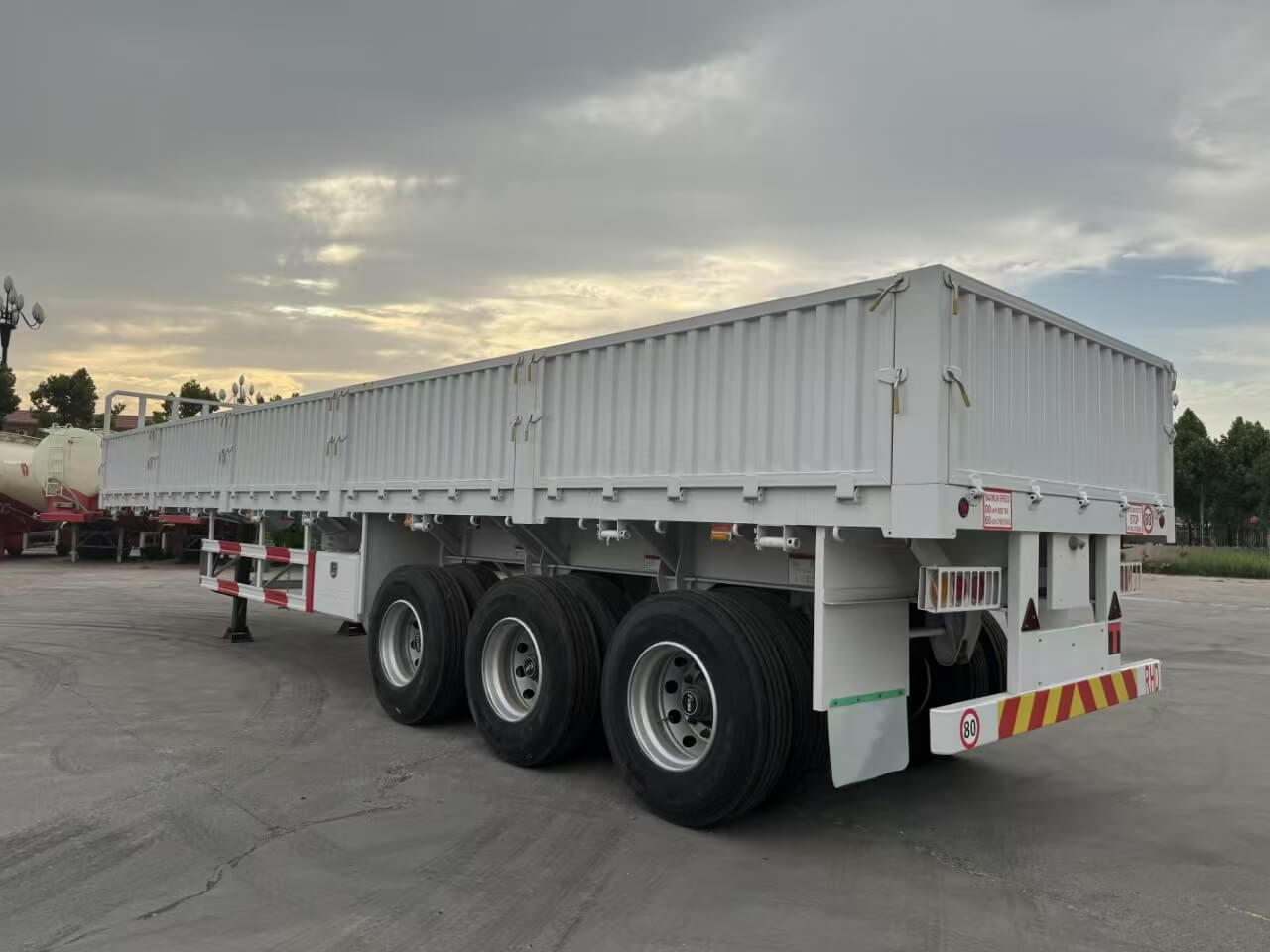
Once you compile the physical and chemical data, you must map it to specific trailer architectures. Each configuration offers distinct advantages based on the cargo profile.
Cargo Profile Data | Trailer Type Required | Key Engineering Features |
|---|---|---|
Hazardous Liquids (Corrosive/Flammable) | Chemical Tanker (DOT 407/412) | Stainless steel, internal linings, pressure relief valves, baffles. |
Dense Dry Bulk (Sand, Cement) | Pneumatic Hopper (Low Cube) | 550 - 1,000 cubic feet, steep hoppers, heavy-duty suspension. |
Light Dry Bulk (Plastic Pellets) | Pneumatic Hopper (High Cube) | 1,500 - 2,800 cubic feet, smooth aluminum interior, fluidizers. |
Palletized Solids / Bagged Bulk | Drop-down sides, flat deck, high payload capacity, forklift access. | |
Ventilated Bulk / Stacked Goods | Vertical containment, maximum airflow, versatile tie-down points. |
Liquid cargo data maps directly to specific tanker configurations. Food-grade requirements demand sanitary welds, specialized cleaning systems, and dedicated hoses to prevent cross-contamination. Hazardous chemicals require high-pressure vessels built to strict DOT specifications. You must evaluate the need for multi-compartment trailers if you are shipping different liquid grades simultaneously. Insulated tankers are mandatory for temperature-sensitive liquids, preventing freezing or dangerous thermal expansion during transit.
The specific gravity of the liquid dictates the tank's structural integrity. Heavy liquids require thicker tank shells and reinforced bulkheads. You must also consider the unloading infrastructure. Does the receiver require a top-discharge system using compressed air, or a bottom-discharge system utilizing gravity and external pumps? The liquid's viscosity and chemical aggressiveness determine the type of valves and gaskets installed on the tanker.
Powder and granular cargo data correlates directly to pneumatic trailer specifications. Cement, flour, and plastic pellets all require different handling mechanisms. You must match cubic capacities to the material's density. Capacities typically range from 550 cubic feet for highly dense materials like frac sand up to 2,800 cubic feet for lighter loads like plastic pellets. Selecting a high-cube trailer for a high-density product results in wasted space and potential structural overloading.
The material's abrasiveness dictates the trailer's construction material. Highly abrasive materials wear down aluminum quickly, necessitating steel construction or specialized wear plates in the discharge piping. You must also evaluate the aeration requirements. Cohesive powders need aggressive fluidization to flow smoothly through the discharge cones. Granular materials may only require simple gravity drops or minimal vibration assistance.
Not all bulk cargo flows through pipes or hoses. You must evaluate cargo data indicating non-flowable solids, agricultural produce requiring ventilation, or irregularly shaped bulk items. These materials require adaptable equipment that balances containment with accessibility. When dealing with palletized bulk, super sacks, or heavy industrial components, a specialized Bulk Cargo Transport Trailer designed for solid freight becomes necessary.
A side wall cargo trailer provides exceptional utility for bagged or palletized bulk. The drop-down side panels allow for rapid loading and unloading using forklifts from any angle. This configuration provides the necessary containment for loose items while maintaining a flat deck for heavy, concentrated loads. It is highly effective for construction materials, agricultural sacks, and industrial hardware. You can secure palletized loads with straps directly over the side walls, ensuring the freight remains stable during transit.
When cargo data indicates a need for maximum airflow or vertical containment for stacked bulk, you must select a fence cargo semi trailer. Livestock, certain raw agricultural goods, and irregularly stacked materials require secure vertical boundaries without the weight of a fully enclosed van. Hauling agricultural products like watermelons or bagged feed requires airflow to prevent moisture buildup and spoilage. The fence structure allows for flexible tie-down configurations and excellent visibility of the cargo during transit. It prevents load shifting while accommodating bulky items that exceed standard side wall heights.
The physical environment at the loading and unloading sites heavily influences trailer selection. You must analyze site infrastructure data to ensure compatibility with the transport equipment.
Assess the site infrastructure data carefully. Does the origin or destination require a gravity drop, a pneumatic blow-off, or specialized pump systems? Gravity drops require sufficient ground clearance and under-trailer hoppers. Pneumatic systems require onboard blowers or access to facility-provided compressed air. You must match these requirements to the trailer's discharge valve placements. Rear, bottom, or side discharge options must align with the receiving facility's physical layout.
Hose compatibility is another factor. You must verify the diameter and fitting types required for secure connections. Mismatched fittings cause spills, delays, and safety hazards. If the cargo is highly viscous, you may require oversized discharge piping and heavy-duty positive displacement pumps. Understanding the exact mechanical interface between the trailer and the facility prevents delays at the dock.
Analyze the cargo's sensitivity to temperature fluctuations. Many liquid chemicals and food products degrade if exposed to extreme heat or cold. You must specify the requirements for in-transit heating systems versus simple insulated jacketing. Steam coils allow the receiving facility to heat the cargo before unloading, restoring flowability to thickened liquids. In-line heaters maintain a constant temperature during transit, which is necessary for highly sensitive polymers or resins.
Environmental protection also extends to moisture control. Dry bulk trailers may require specialized hatch seals and desiccant systems to prevent ambient humidity from ruining the cargo. You must evaluate the route's climate conditions and the cargo's hygroscopic properties. Proper environmental controls ensure the product arrives in the exact condition it was loaded.
Food-grade and pharmaceutical bulk transport require strict sanitation data. You must evaluate the trailer's cleanability features. Smooth internal welds prevent product accumulation in crevices. Clean In Place (CIP) systems allow for automated, high-pressure washing of the tank's interior. Dedicated hoses and pumps are mandatory to prevent cross-contamination between different product batches.
You must also consider the trailer's previous cargo history. Many shippers require a certified wash ticket before loading sensitive materials. Some highly reactive chemicals dictate that the trailer must be exclusively dedicated to that specific product. Analyzing sanitation requirements upfront prevents contamination events and ensures compliance with FDA or other regulatory standards.
Analyze the cargo data to determine if continuous monitoring is required. High-value goods necessitate GPS location tracking and geo-fencing capabilities. Sensitive or volatile chemicals require live temperature and pressure telemetry. Modern telematics systems transmit this data directly to the shipper and carrier, allowing for proactive intervention if parameters exceed safe limits.
Real-time tracking provides visibility into the supply chain, enabling accurate arrival predictions and efficient facility scheduling. For hazardous materials, telemetry data provides information to first responders in the event of an accident. You must specify these technological requirements during the procurement phase to ensure the selected equipment supports advanced monitoring.
Regulatory compliance is non-negotiable in bulk transport. You must map your cargo data to federal and state regulations to avoid fines, impoundments, and severe legal liabilities.
You must map specific UN/NA numbers from the cargo data to required DOT trailer codes. Flammable liquids typically require DOT 406 trailers. Toxic or corrosive chemicals demand DOT 407 or DOT 412 specifications, which feature thicker tank walls and specialized pressure relief systems. You must detail the required safety features mandated by the cargo's hazard class, including rollover protection, emergency shut-off valves, and vapor recovery systems.
Environmental Protection Agency (EPA) standards also dictate equipment selection. Vapor recovery systems capture harmful emissions during loading and unloading, preventing atmospheric contamination. You must ensure the trailer meets all federal and local emission standards, particularly when operating in highly regulated zones. Ignoring these specifications results in immediate operational shutdowns and massive regulatory fines.
Cargo weight data must be reconciled with federal and state bridge laws. These laws dictate the maximum allowable weight per axle and the required spacing between axles. You must mitigate overweight risks through proper trailer axle configurations. Tandem axles suffice for standard loads, but dense materials often require tridem or spread axle configurations to distribute the weight legally across the pavement.
Improper weight distribution causes severe damage to infrastructure and results in hefty fines at weigh stations. You must calculate the payload's center of gravity and ensure the trailer's design inherently balances the load. This requires precise density and volume data to prevent overloading specific axle groups while leaving others underutilized. The Federal Bridge Gross Weight Formula strictly governs how an 80,000 lb gross weight limit is distributed across steer, drive, and trailer tandems.
Hazardous or high-value cargo data necessitates rigorous carrier vetting. You must review the carrier's Compliance, Safety, Accountability (CSA) scores. These scores reflect the carrier's historical performance regarding safety violations, maintenance issues, and crash rates. A carrier with poor CSA scores poses an unacceptable risk when transporting volatile or expensive bulk commodities.
Verify that the carrier possesses specialized hazmat certifications aligned with your specific cargo. They must carry adequate insurance policies that cover environmental cleanup and product loss. You must ensure the carrier's driver training programs specifically address the handling requirements of your material. Aligning the carrier's safety profile with your cargo's risk profile is a step in risk mitigation.
Selecting a bulk cargo transport trailer is an engineering and risk-management decision driven entirely by precise cargo data. It is not merely a logistical booking exercise. You must evaluate legal and safety compliance first, utilizing SDS and Hazmat data. Next, calculate weight and volume capacities based on exact density metrics. Finally, ensure the handling mechanisms and equipment versatility align with your operational infrastructure.
Compile a comprehensive data sheet for your cargo, including exact density, specific gravity, and full chemical profiles before contacting carriers.
Audit your loading and unloading facilities to document required valve placements, hose diameters, and discharge mechanisms.
Verify carrier CSA scores and ensure their insurance policies specifically cover the hazard class and financial value of your bulk commodity.
Select adaptable equipment like a side wall or fence trailer only when the cargo data confirms the material is non-flowable, packaged, or requires maximum ventilation.
A: Cargo density determines whether you will hit the legal weight limit before filling the trailer's physical volume. High-density materials require smaller, reinforced trailers, while low-density materials need high-cube trailers to maximize payload efficiency.
A: A Safety Data Sheet (SDS) provides chemical information, including corrosivity, flammability, and reactivity. This data dictates the trailer's construction material, internal linings, and required safety valves to prevent leaks or explosions.
A: Use this trailer when transporting palletized bulk, super sacks, or irregularly shaped solid materials. The drop-down sides allow for easy forklift access, making loading and unloading highly efficient for non-flowable goods.
A: The angle of repose is the steepest angle at which a loose powder remains stable. It dictates the required slope of the trailer's internal hoppers and the necessity for aeration systems to ensure smooth discharge.
A: Viscosity often increases as temperatures drop, making liquids thick and difficult to pump. If your cargo is temperature-sensitive, you must select a trailer with insulated jacketing or active in-transit heating systems like steam coils.
A: DOT codes like 406, 407, and 412 are federal specifications for tanker trailers. They dictate the tank's wall thickness, pressure ratings, and safety features required to transport specific classes of hazardous materials legally.


