
Views: 0 Author: Site Editor Publish Time: 2026-09-28 Origin: Site


Transporting fragile, perishable, or live cargo presents immense financial and operational risks. For fleet managers, a single harsh impact on a deteriorating highway can trigger thousands of dollars in damaged goods, rejected deliveries, and skyrocketing insurance premiums. Traditional mechanical leaf-spring suspensions are highly reactive. They transfer road shock directly into the trailer chassis and straight into the freight. Furthermore, standard enclosed dry vans lack the essential ventilation required for temperature-sensitive loads, leading to rapid spoilage or severe health risks for livestock.
Recent industry logistics reports reveal a massive shift in freight management. Faced with stricter highway weight enforcement, degrading road infrastructure, and a push to lower carbon emissions per ton of freight, carriers are rapidly transitioning toward specialized equipment. The modern solution integrates the breathable, adaptable structure of a stake trailer with the superior shock-absorbing capabilities of pneumatic air ride systems. This engineering synergy creates a new standard in freight protection. By understanding the mechanics beneath the deck, operators can see exactly how pneumatic technology mitigates cargo damage and why upgrading your fleet represents a sound, data-driven financial decision.
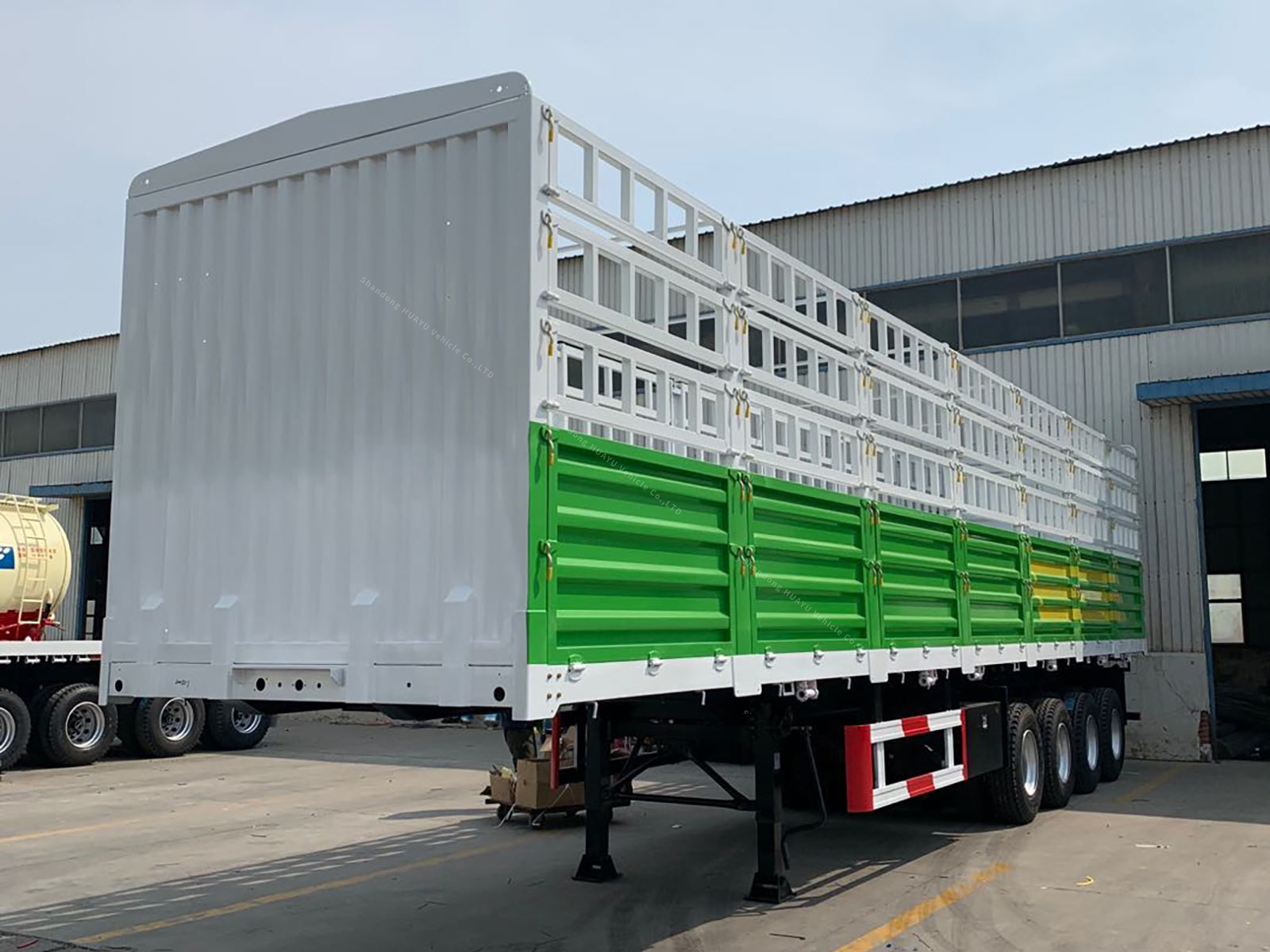
To truly grasp why certain freight demands specialized transport, we must look under the chassis and examine the superstructure. When investing in a reliable air suspension fence cargo trailer, operators merge two distinct structural advantages into a single, highly adaptable logistics solution.
Unlike enclosed dry vans, the fence structure utilizes a flatbed base surrounded by vertical stakes and horizontal rails. This design offers natural, unrestricted airflow. Continuous oxygen exchange is mandatory for loads that generate heat or require constant respiration. The modular nature of these panels allows warehouse crews to remove sections entirely. Forklift operators bypass narrow rear doors entirely. They load oversized, heavy pallets directly from the side, slashing turnaround times. Additionally, this framework carries a lighter tare weight than a fully enclosed steel box, freeing up capacity for a higher net payload.
Beneath the deck, the suspension dictates the ride quality. Traditional leaf springs rely on stacked steel plates that bend to absorb impact. While undeniably durable, steel springs bounce violently when hitting potholes at highway speeds. This transfers high-frequency vibrations straight into the cargo bed. In contrast, a pneumatic system replaces rigid steel with heavy-duty polyurethane airbags. Connected to an onboard compressor and regulated by highly sensitive ride-height control valves, these airbags actively respond to the terrain. As the tires encounter washboard rural roads or deep highway dips, the valves automatically inflate or deflate the bags in fractions of a second. This dynamic response isolates the cargo from kinetic shock, allowing the trailer to effectively glide over imperfections.
The combination of maximum airflow and minimal vibration creates an optimal environment for highly specific categories of freight. Logistics companies handling the following sensitive loads consistently see the most significant reduction in damage claims when deploying this equipment.
Moving cattle, swine, poultry, and sheep is one of the most highly regulated and risk-intensive sectors in the supply chain. The physiological well-being of the livestock is directly tied to their market value upon arrival at the processing facility. Animals packed tightly into a confined space generate immense amounts of body heat and moisture. Without the constant cross-ventilation provided by an open-fence structure, the herd can rapidly succumb to heat stress or fatal ammonia buildup.
Ventilation only solves half the problem. The violent floor vibrations caused by standard mechanical suspensions induce severe physical stress. A bumpy ride forces livestock to constantly shift their weight to maintain balance. This leads to joint injuries, muscle fatigue, and significant weight loss during transit. Air suspension provides a stable, leveling deck. By absorbing harsh impacts, animals are not thrown against the steel fences or forced to constantly brace themselves. They arrive healthy and unstressed.
The farm-to-market agricultural supply chain is highly time-sensitive and prone to product degradation. Transporting bulk harvests like watermelons, delicate peaches, tomatoes, and leafy greens requires meticulous environmental management. As fresh produce sits in crates, it continues to respire, releasing moisture and ethylene gas. If trapped in a poorly ventilated dry van, this moisture accelerates mold growth. Meanwhile, the ethylene gas triggers premature ripening and rot. The fenced perimeter facilitates continuous ambient air circulation, naturally dissipating heat and keeping the harvest fresh.
Simultaneously, the physical fragility of these yields demands superior shock absorption. A single deep rut on a country road can cause the bottom layers of a fruit shipment to crush under the bouncing weight of the crates above them. Bruised produce is immediately downgraded in quality, often resulting in total rejection by grocery retailers. Pneumatic dampening eliminates these harsh vertical impacts, preserving the aesthetic and nutritional value of the crop.
Not all sensitive loads are biological. The construction and architectural industries frequently transport highly fragile, dense materials. Large panes of architectural plate glass, bulk ceramic tiles, marble slabs, and delicate terracotta roofing present a unique logistical challenge. They are exceptionally heavy, yet highly susceptible to micro-fractures.
Rigid materials cannot absorb kinetic energy. High-frequency road vibrations travel through a standard trailer deck and induce micro-cracks in the cargo. Over a long journey, these micro-cracks propagate, resulting in shattered glass or cracked tiles upon delivery. Airbags absorb these high-frequency vibrations before they ever reach the deck. Furthermore, the fence structure is vital for these loads. Shippers can utilize the vertical stakes to strap down custom A-frame glass carriers precisely where needed. The removable sides allow forklifts to gently load oversized, heavy crates without risking rear-door bottlenecks.
The commercial landscaping industry relies heavily on the safe transport of mature trees, ornamental shrubs, and delicate flowering plants. These high-value organic assets require specific conditions to survive the journey. Live plants need access to ambient air and sunlight. Enclosed trailers can act as ovens during summer months, scorching the foliage.
More importantly, violent jolts from a stiff suspension system can snap delicate branches, strip foliage, or dislodge the soil around the root ball. If a root ball is fractured during transport, the tree's root system is compromised. This often leads to the death of the plant weeks after installation. The gentle, leveling ride of a pneumatic system ensures that soil remains undisturbed and branches are not subjected to violent whipping motions.
To clearly illustrate the operational differences, fleet managers must evaluate how suspension types handle specific stressors. The table below outlines the core engineering distinctions.
| Feature | Mechanical Leaf Spring | Pneumatic Air Suspension |
|---|---|---|
| Shock Absorption | Low. Transfers kinetic road energy directly to the chassis. | High. Absorbs up to 90 percent of high-frequency vibrations. |
| Best Suited Cargo | Bulk steel, coal, non-fragile heavy machinery. | Livestock, fresh produce, architectural glass, electronics. |
| Ride Height | Fixed. Sags under heavy loads. | Dynamic. Auto-levels via height control valves. |
| Chassis Wear | High stress on welds and cross-members over time. | Minimal. Kinetic energy is dissipated before reaching the frame. |
While suspension and superstructure dictate how cargo is protected, the axle configuration dictates exactly how much cargo can be legally and safely moved. Dealing with dense, heavy loads like bulk pallets of ceramic tiles or massive agricultural harvests requires strict weight distribution. This is precisely where deploying a multi axle fence semi trailer becomes a strategic operational necessity.
A standard two-axle setup struggles to support high-density weight without concentrating too much pressure on a small section of the frame. This concentrated pressure can cause airbags to bottom out and damage the chassis. By utilizing a 3-axle or 4-axle setup, the payload's gross weight is distributed across a significantly wider footprint. This broader distribution reduces stress on any single point of the high-strength steel chassis. Moreover, multiple axles provide exceptional lateral stability. When navigating sharp highway off-ramps or uneven, unpaved rural roads, the increased tire contact prevents the trailer from leaning dangerously, keeping top-heavy loads perfectly upright.
It is critical to understand the engineering synergy between these two features. While the air suspension manages vertical forces from road shock, the fence design is responsible for managing lateral and longitudinal forces from cargo shifting. If a load is loose, even the most advanced pneumatic system cannot prevent it from crashing into itself.
In a standard enclosed van, securing awkwardly shaped cargo relies entirely on internal tracks or floor rings, which can be highly limiting. The vertical stakes and horizontal rails of a fence trailer act as a continuous, highly versatile securing matrix. Fleet operators can apply straps, heavy-duty chains, or cargo nets at virtually any angle to secure the load precisely where it requires support. This ensures that fragile items remain tightly bound to the deck, moving in unison with the dampened suspension rather than bouncing independently.
Fleet upgrades must be justified by hard data and a clear return on investment. Upgrading to a high capacity fence cargo trailer yields financial benefits that ripple across the entire supply chain. The advantages extend far beyond simple cargo protection.
Economies of scale play a massive role in logistics profitability. A high-capacity model, often rated for up to 80 tons depending on local regulations, allows operators to transport a significantly larger volume of sensitive goods in a single trip. Consolidating loads reduces fuel consumption, driver wages, and toll costs per unit of freight moved. When dealing with low-margin agricultural goods, maximizing payload per trip is essential for maintaining profitability.
Furthermore, the most immediate financial return is the drastic reduction in cargo claims. Insurance payouts for shattered architectural glass, bruised fruit, or injured livestock damage a carrier's reputation and drive up monthly premiums. By providing a shock-free ride, operators virtually eliminate vibration-related damage. Finally, because the airbags absorb kinetic energy rather than transferring it into the trailer's steel chassis, the operational lifespan of the frame is significantly extended. Tire wear remains remarkably even, drastically lowering the total cost of ownership.
Not all trailers are manufactured to the same rigorous engineering standards. When procuring equipment for sensitive loads, logistics buyers should verify a few critical specifications to ensure long-term reliability.
First, inspect the pneumatic components. The reliability of the suspension dictates the safety of the cargo. Ensure the trailer utilizes premium airbags and highly responsive height control valves from globally recognized brands. Second, evaluate the chassis material. Even though the suspension absorbs shock, the main beams must be rigid enough to support heavy payloads without bowing. High-tensile steel, such as Q345 or T700, offers superior yield strength while keeping the trailer's tare weight low. Finally, look for customizable and modular fencing. The best trailers offer removable, adjustable, or drop-side panels, allowing the asset to seamlessly adapt to different types of freight from one contract to the next.
To guarantee the continuous protection of fragile freight, these systems require specific, routine maintenance protocols. These practices differ slightly from standard mechanical trailers.
Routine pneumatic inspections are non-negotiable. Maintenance teams must conduct regular visual and auditory checks of the airbags, looking for signs of dry rot, abrasion, or punctures. In practice, applying a simple soapy water test to air lines and fittings can quickly detect micro-leaks before they cause a system failure on the road. Additionally, technicians must drain the air compressor and tanks of moisture regularly to prevent internal corrosion and valve freezing during colder months.
Ride height calibration is equally critical. The control valve acts as the brain of the suspension. If improperly calibrated, the airbags may over-inflate, causing a rigid, bouncy ride. Conversely, under-inflation causes the system to bottom out on the bump stops. Technicians must periodically verify that the trailer maintains the manufacturer-specified ride height under load. Finally, because these trailers frequently transport biological loads, rigorous biosecurity cleaning is required. Animal waste contains uric acid and ammonia, which are highly corrosive to steel. Thorough pressure-washing after agricultural transports prevents rust and eliminates the risk of cross-contamination.
An advanced suspension fence trailer is not merely a standard piece of equipment; it is a highly specialized engineering tool designed to protect your most vulnerable freight. By efficiently absorbing harsh road impacts and ensuring proper environmental airflow, this hybrid design tackles the logistical hurdles that standard trailers simply cannot overcome.
When fleet managers combine this advanced dampening technology with a high-capacity, multi-axle configuration, they unlock the ability to move massive, heavy loads safely and legally. The resulting reduction in costly damage claims, coupled with extended equipment lifespan, ensures a rapid and sustained return on investment. For logistics operators looking to secure their future in sensitive freight transport, upgrading to specialized equipment from a reliable manufacturer like Huayu Vehicle is a proven strategy for success. Evaluate your current fleet requirements and select the payload configuration that best aligns with your operational goals.
Yes. A high-capacity model equipped with a multi-axle setup is more than capable of carrying heavy machinery or dense construction materials. In fact, the pneumatic system actively helps protect the trailer's structural chassis from the extreme weight and associated road shock by dissipating kinetic energy before it reaches the main beams.
Absolutely, especially when transporting sensitive or fragile loads. The immediate reduction in cargo damage claims, combined with less structural wear on the trailer's chassis and more even tire wear, typically provides a rapid return on investment that far outweighs the initial capital expenditure.
The open-fence design allows for maximum, continuous airflow. This natural ventilation prevents heat buildup, dissipates moisture, and clears out ethylene gas. This effectively prevents spoilage and mold in fresh produce while keeping live animals cool, comfortable, and breathing easily during transit.
Unlike traditional steel leaf springs, pneumatic setups require regular checks of the rubber airbags for punctures or dry rot. Technicians must also routinely drain condensed moisture from the air tanks, check airlines for leaks using soapy water, and inspect the ride-height control valves to ensure proper system calibration.
Depending on local highway regulations and the specific structural design, a heavy-duty 4-axle configuration can often support payloads ranging from 60 to 80 tons. The multiple axles ensure this massive weight is distributed evenly, preventing damage to both the cargo and the road surface.
With proper maintenance and regular cleaning to remove corrosive road debris, commercial-grade polyurethane airbags typically last between 5 to 7 years. Operating frequently in extreme climates or constantly overloading the trailer can reduce this lifespan, making routine inspections vital.


